Brand
Founded by Mike Matthews in New York City in 1968, Electro-Harmonix became known for inventive effects that brought new sounds within reach of guitarists. Its first product was the LPB-1 Linear Power Booster; the company’s long-running catalogue ranges from fuzz and overdrive to delay, modulation, octave and experimental processing. JustPedals listings include the Small Clone chorus, Small Stone phaser, Memory Boy delay, POG 2 octave generator and Micro Q-Tron envelope filter. Check the exact version and power requirements when comparing EHX models, since familiar names often span different generations and formats.
Category
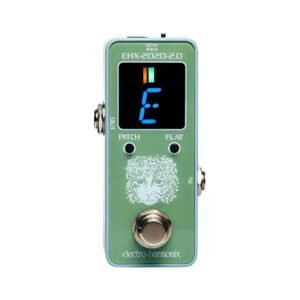
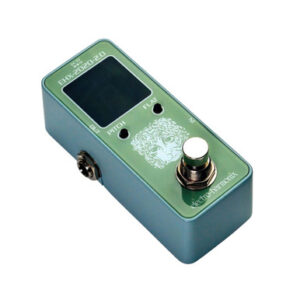
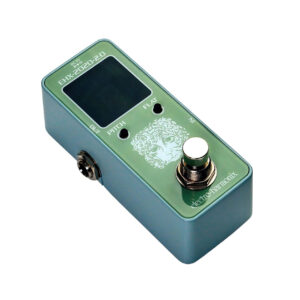
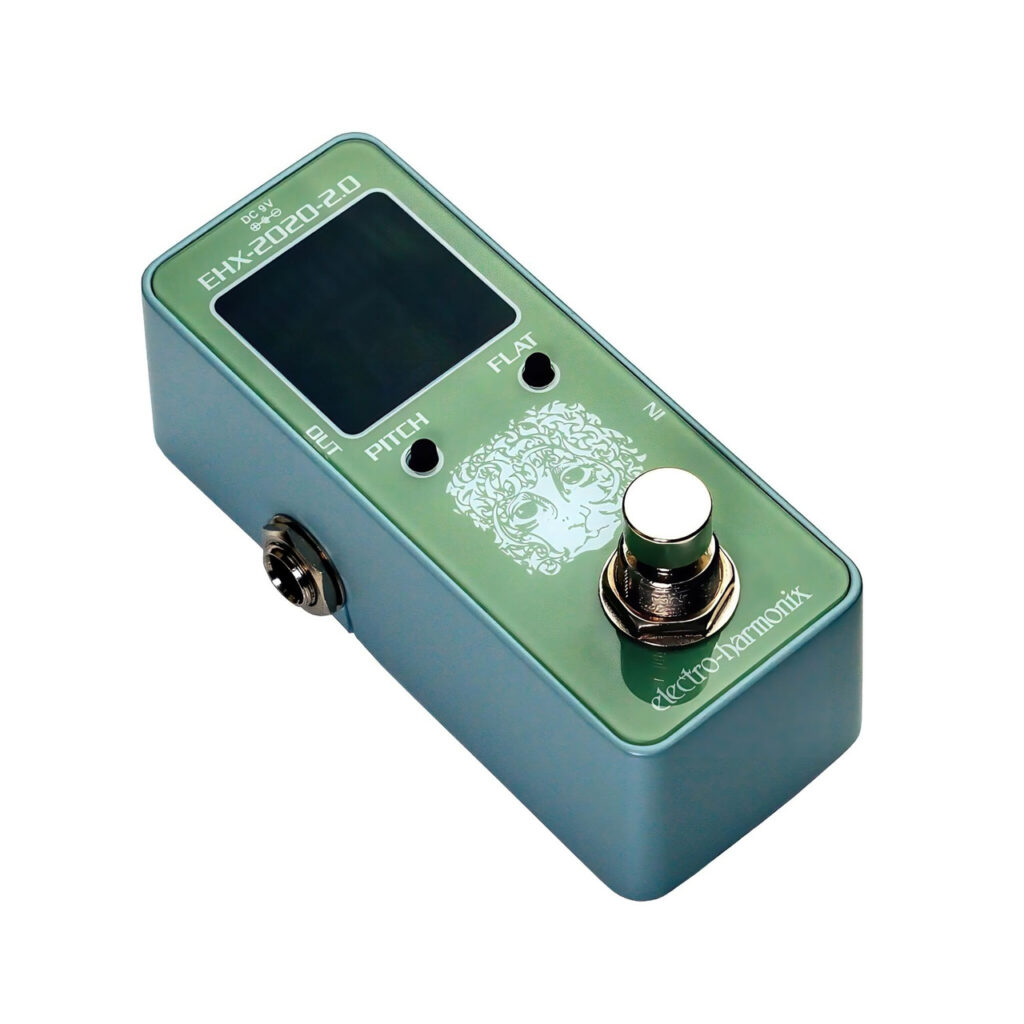
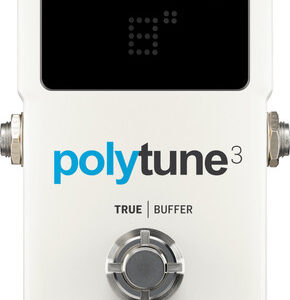
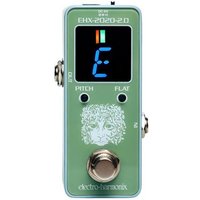
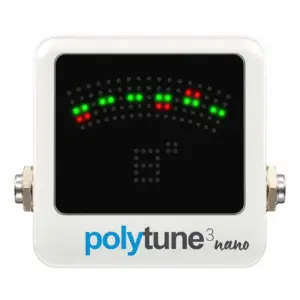
A tuner pedal measures the input frequency and shows whether the played note is sharp, flat or in tune. Detection speed, display resolution and note range affect accuracy, especially for low tunings and extended-range instruments. Buffered or true-bypass switching changes the signal path, while mute, strobe display, reference-pitch calibration and alternate-tuning modes shape operation.
Tags
Keeps an active buffer in the signal path when the effect is bypassed. The buffer converts a high-impedance input to a lower-impedance output, helping long cables and multiple pedals retain level and high frequencies, although its headroom and noise remain part of the path.
Connects input directly to output through mechanical or relay switching when the effect is off, removing the active circuit from the audio path. It avoids buffer colour but leaves cable capacitance and switching design to influence high-frequency loss and possible switching noise.