The Rowin is a phaser pedal. It is intended for adding moving phase modulation to a guitar signal.
Key identified features include analogue circuitry and true-bypass switching.
- Brand: Rowin
- Product type: Phaser Pedals
- Features: Analogue, True Bypass

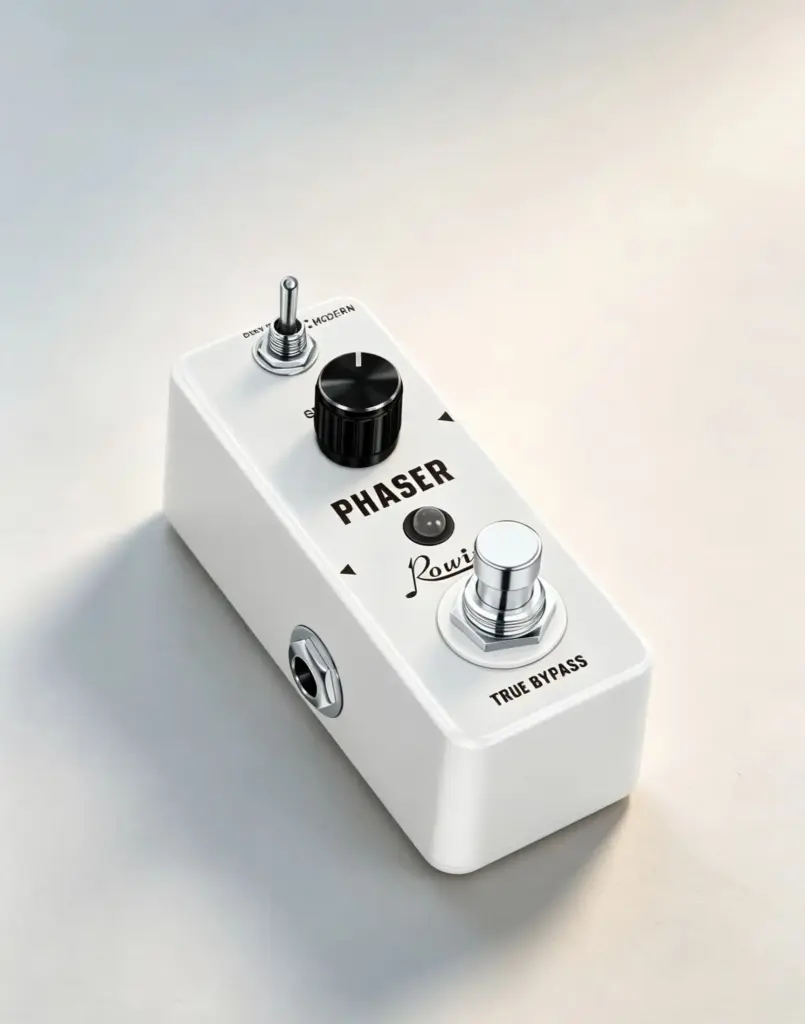
This is a New ROWIN LEF-313 Phaser Pedal Analog Phase Effect Pedal For Electric Guitar Vintage & Modern Modes With Mini Size True Bypass from Rowin its found in our Phaser Pedals on the Just Pedals menu. Read More below.
As an affiliate partner, we may earn a small commission when you buy through our links — at no extra cost to you.
The Rowin is a phaser pedal. It is intended for adding moving phase modulation to a guitar signal.
Key identified features include analogue circuitry and true-bypass switching.
In the current JustPedals catalogue, Rowin is represented by Delay Pedals, Pedal Power Supplies and Tuner Pedals. Current listings include LT-910 Tuner Mini Chromatic Tuner, 9V Pedal Power Supply Update Output Multi Circuit and AC Stage Acoustic. That makes the range relevant to players looking for time-based effects and ambience, plus modelling, direct rigs and multi-effects. Check each model for its exact circuit or processing platform, controls, power requirements and connections, particularly where the catalogue includes both pedals and supporting gear.
A phaser splits the signal and shifts the phase of one path through a series of all-pass filter stages. When recombined, moving peaks and notches sweep across the spectrum, creating a rounded swirl rather than the evenly spaced comb filtering of a flanger. Stage count, feedback, centre frequency, rate and depth shape the width, resonance and pulse of the sweep.
The signal is shaped by continuously varying electronic circuitry rather than being converted into a digital effect algorithm. Component choice, operating voltage and circuit tolerances influence headroom, noise, clipping texture and the small variations in response between designs.
Connects input directly to output through mechanical or relay switching when the effect is off, removing the active circuit from the audio path. It avoids buffer colour but leaves cable capacitance and switching design to influence high-frequency loss and possible switching noise.
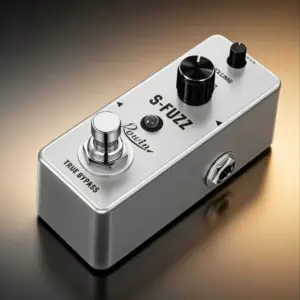 Rowin LEF-325 S-Fuzz Silicon Fuzz Pedal True Bypass Mini Metal Modern Fuzz Guitar Effect
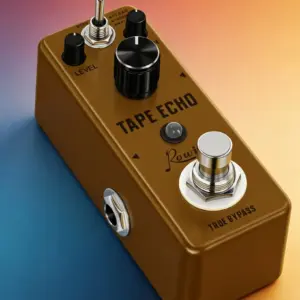 Rowin LEF-3809 Tape Echo Delay Pedal, Vintage Tape Simulation 3 Modes True Bypass Compact Metal Guitar Stompbox
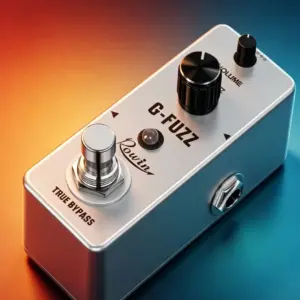 Rowin LEF-322 G-FUZZ Analog Guitar Fuzz Effect Pedal For Electric Guitar & Bass True Bypass
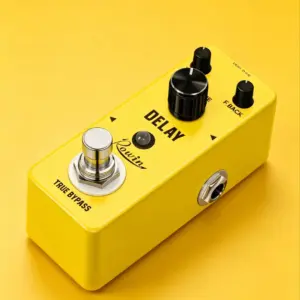 Rowin LEF-314 Guitar Delay Pedal Analog Delay Guitar Effect Pedal Switching, Fully Vintage Delay True Bypass