Brand
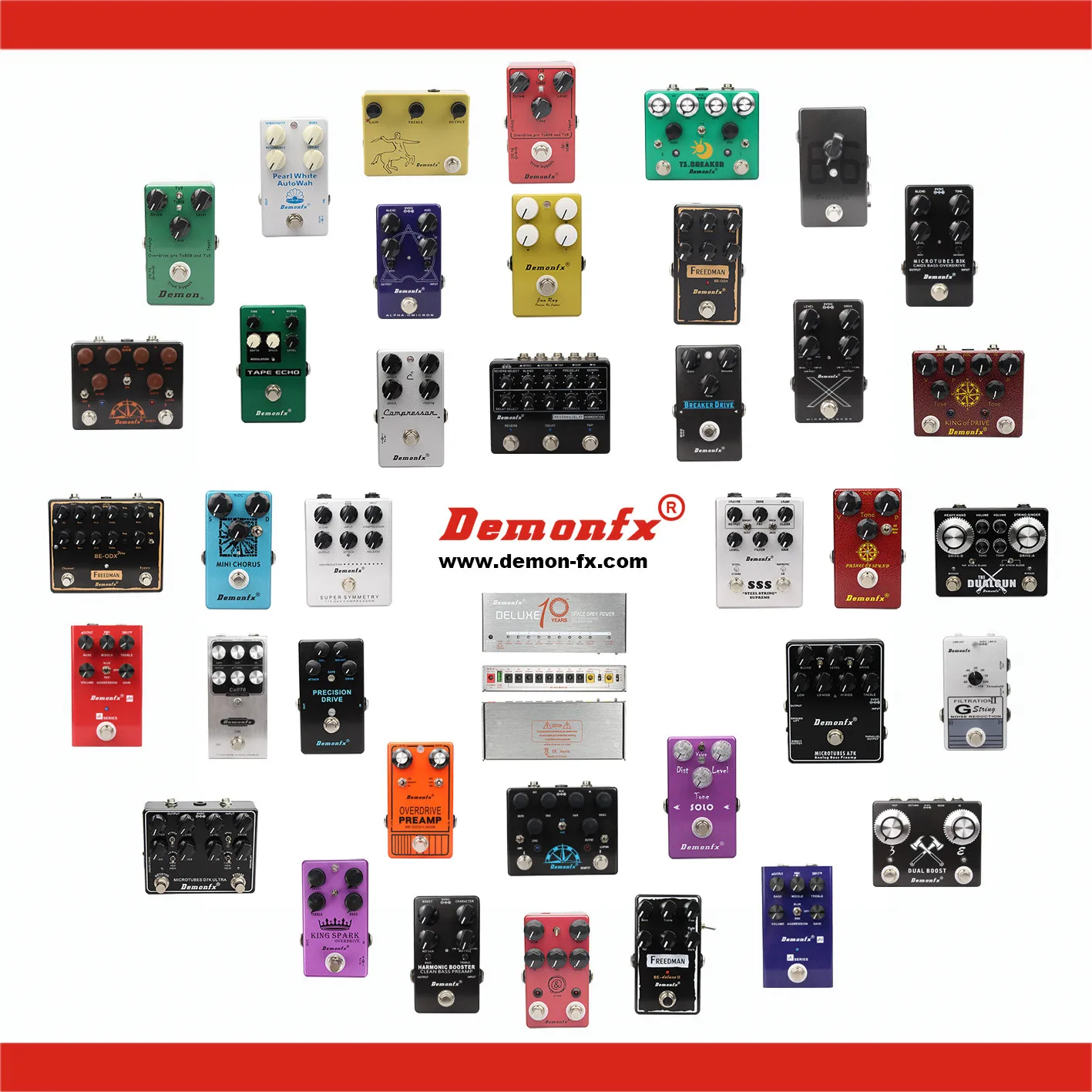
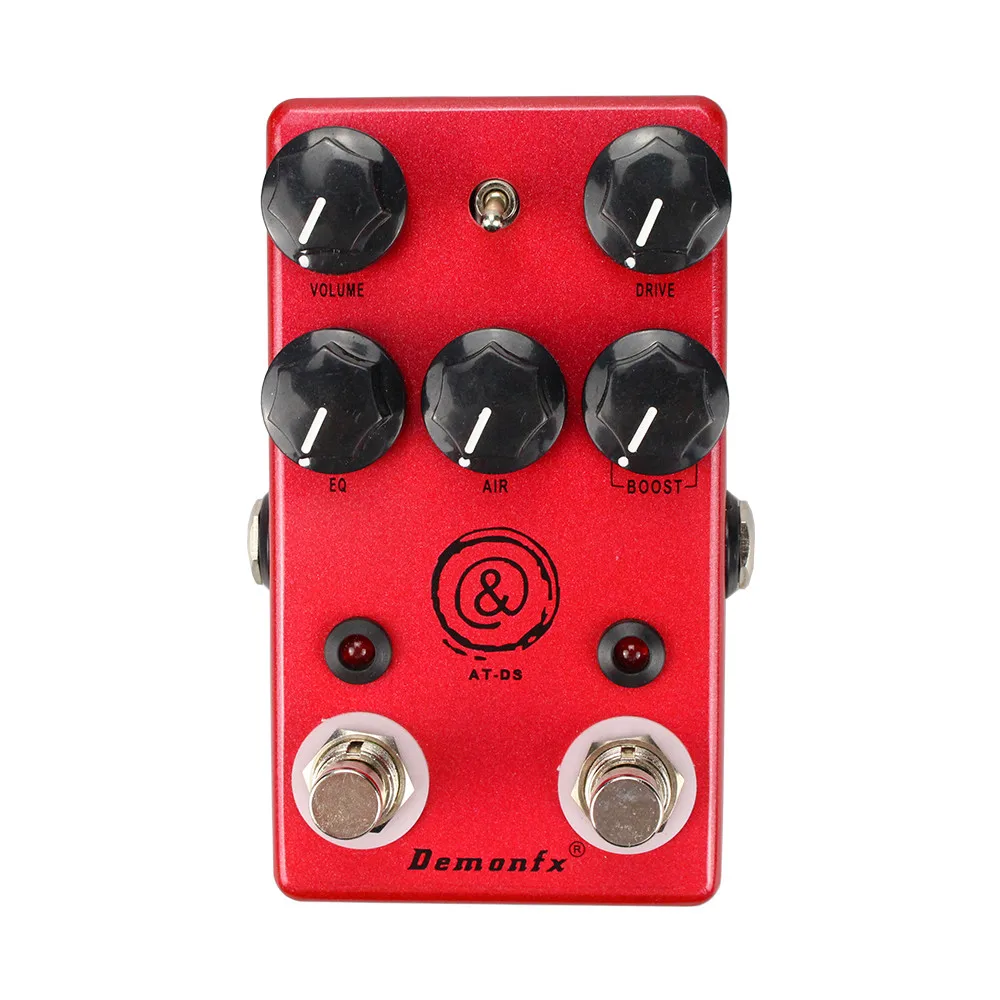
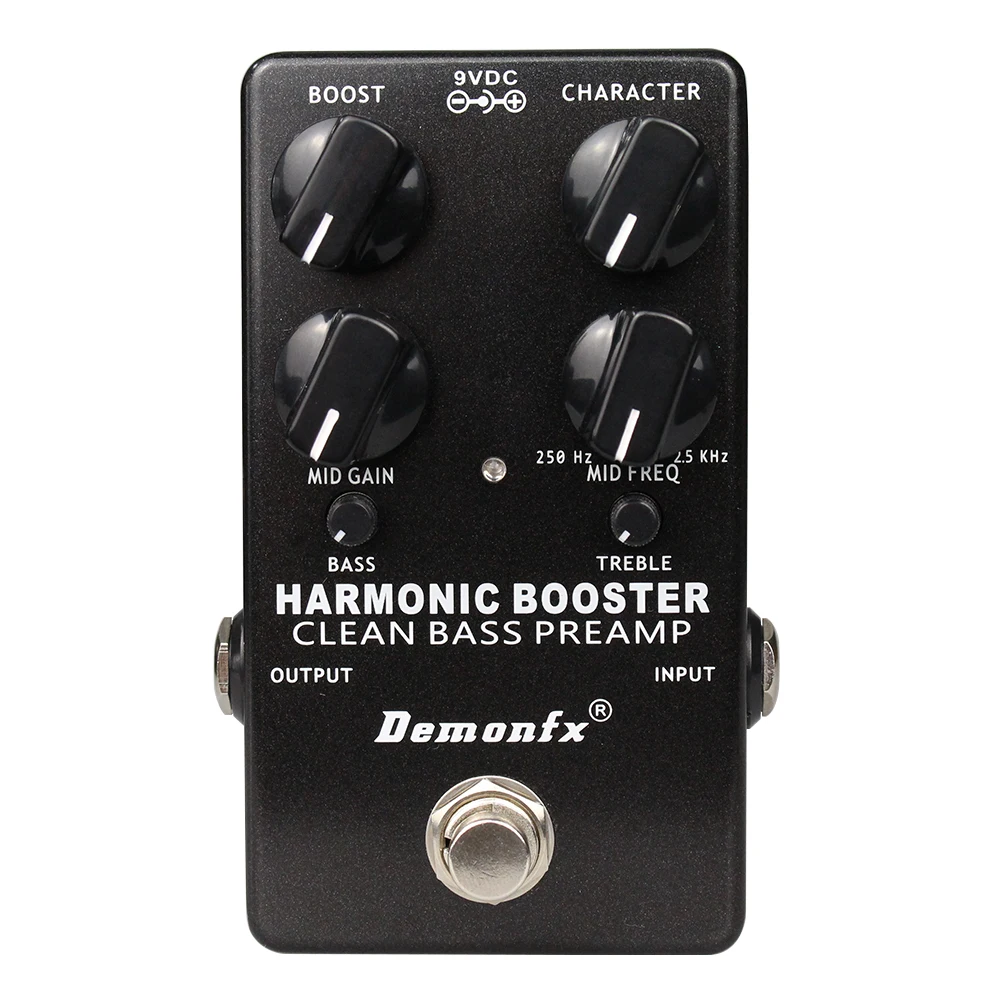
In the current JustPedals catalogue, Demonfx is represented by Overdrive Pedals, Distortion Pedals and Chorus Pedals. Current listings include TS808 TS GREEN Overdrive, AT-DS High Quality and AT-DS. That makes the range relevant to players looking for drive, gain and clipping, plus time-based effects and ambience. Check each model for its exact circuit or processing platform, controls, power requirements and connections, particularly where the catalogue includes both pedals and supporting gear.
Tags
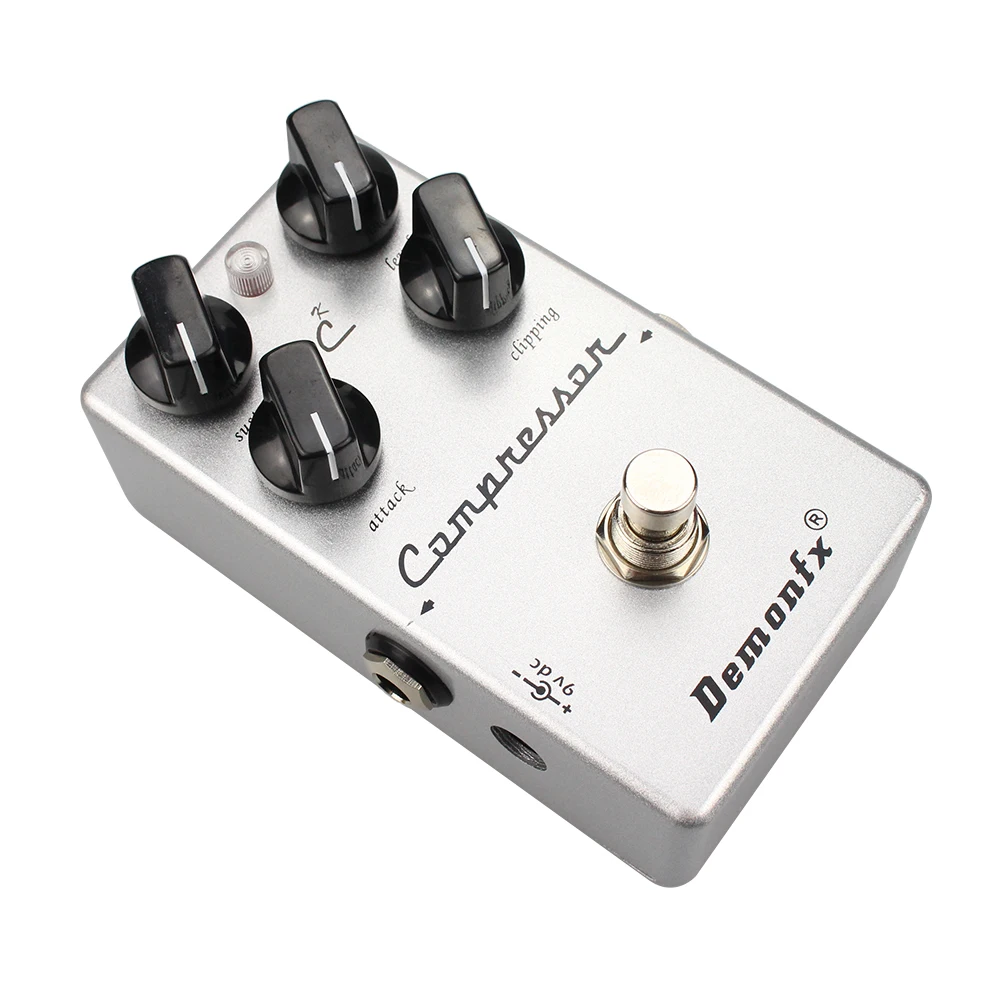
Narrows dynamic range by reducing gain when the signal crosses a level threshold. Attack preserves or softens the initial pick transient, release shapes the recovery, ratio controls the strength of reduction, and blend restores uncompressed detail alongside sustain and level consistency.
Creates one or more time-separated copies of the signal. Delay time sets their spacing, feedback determines how many repeats continue, and filtering, modulation or saturation decides whether successive echoes remain clean, darken, wobble or break apart.
Clips the waveform firmly and adds a dense series of harmonics with compression and sustain. The clipping devices, gain stages and tone filters determine whether the result is tight, smooth, mid-focused, scooped, grainy or deliberately abrasive.
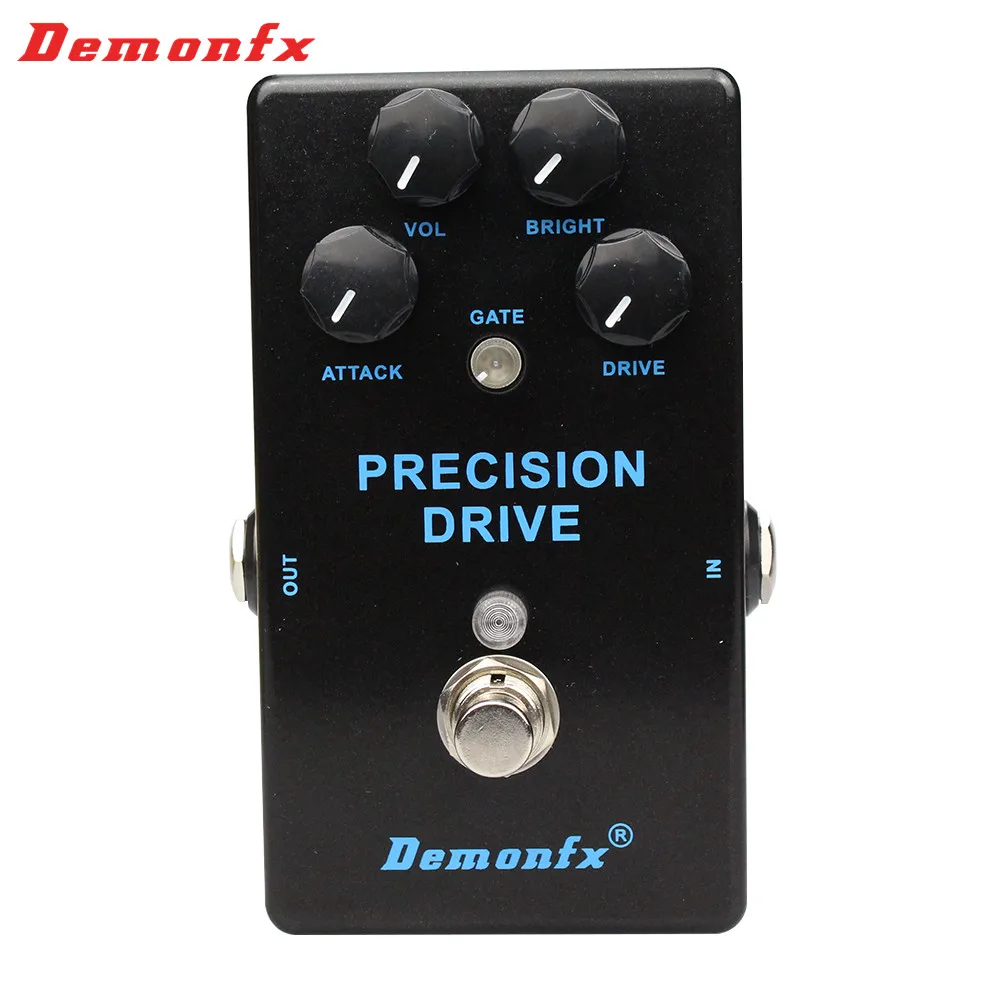
Uses moderate clipping and gain-dependent compression to add harmonics while retaining much of the original note contour. Bass filtering, mid emphasis, clipping symmetry and available headroom decide whether it sounds open and amplifier-like, tightly focused or heavily saturated.
Builds a dense tail of reflections around the original sound. Early reflections establish apparent distance and size, while decay, diffusion, damping and modulation shape the density, brightness and movement of the later field. Pre-delay separates the dry attack from the ambience, and mix controls their relative level.