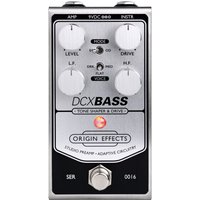
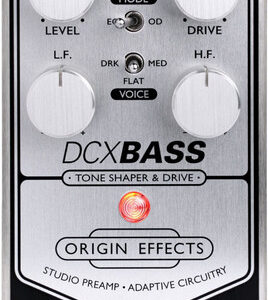
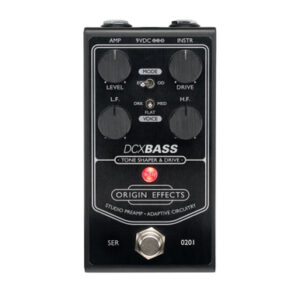
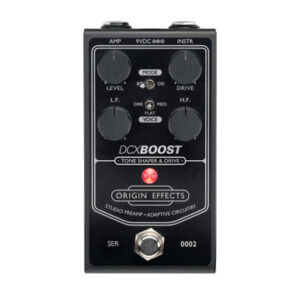
The Origin Effects DCX Bass Tone Shaper & Drive Pedal is a powerful tool for musicians looking to craft the perfect sound. It combines vintage analogue colour with precise control of level and EQ allowing you to create an infinite range of tones. From subtle boosts and tone-tweaking to fuzz-like ?cranked console? saturation this pedal enhances anything that passes through the circuit just like youd expect from a great retro recording preamp. With all-analogue studio-derived circuitry and a sophisticated balance of precision and character this pedal can take your sound to the next level. Its EQ controls are specially crafted for bass allowing generous boosting of bass and treble frequencies without sacrificing low-end clarity or overemphasising upper harmonics. The Voice switch features Adaptive Circuitry which gives extra control over the high-end and adapts the voicing of the pedal in response to playing dynamics and volume knob changes. With premium components throughout this pedal is sure to provide you with an authentic British tone that will make your music stand out from the crowd.
Origin Effects DCX Bass Tone Shaper & Drive Pedal
This is a New Origin Effects DCX Bass Tone Shaper & Drive Pedal from Origin Effects is in our Specialist Effects Pedals category on Just Pedals. Read More below.
As an affiliate partner, we may earn a small commission when you buy through our links — at no extra cost to you.
Related videos

Brand
Origin Effects
Origin Effects was founded in 2012 by Simon Keats, whose first pedal design recreated the response of a UREI 1176 studio compressor. That design became the Cali76 and set the direction for a range that combines studio-inspired compression with analogue amp recreations and drive. JustPedals listings include the RevivalDRIVE Compact, MAGMA57, DELUXE61, DCX Bass and Halcyon Gold. Origin says every pedal is hand-built and listen-tested at its factory in Buckingham, England. Its products are designed for players who want detailed control over compressor response, amp character and familiar studio tones.
Category
Specialist Effects Pedals
Specialist effects alter the signal in ways that do not sit cleanly inside one established family. They may use granular processing, frequency shifting, resonators, freeze or sustain, bit reduction, ring modulation, feedback networks or combinations of several techniques. The relevant distinction is the underlying process, its tracking or latency, and how completely the dry signal can be blended or replaced.
Tags
Analogue
The signal is shaped by continuously varying electronic circuitry rather than being converted into a digital effect algorithm. Component choice, operating voltage and circuit tolerances influence headroom, noise, clipping texture and the small variations in response between designs.
Bass
Voiced or equipped to retain low-frequency fundamentals and the higher headroom of a bass signal. Clean blends, crossovers and bass-specific filter ranges can preserve weight and articulation while the effected portion adds harmonics, movement or ambience.
Vocal
Designed for microphone-level signals and the frequency, dynamics and feedback behaviour of the human voice. Input gain, balanced connections, phantom power and pitch tracking may be provided so effects respond correctly before the signal reaches a mixer or PA.
Others Just Ordered :
- I Love A Happy Accident… – Animals Pedal

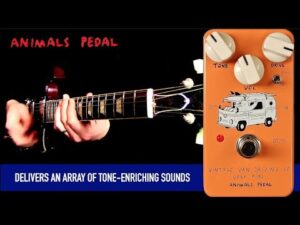
- Animals Pedal Vintage Van Driving is Very Fun Overdrive
- Animals Pedal Sunday Afternoon Is Infinity Bender

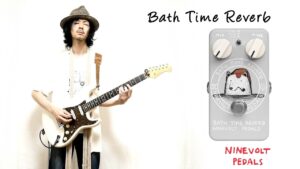
- Ninevolt Pedals | Bath Time Reverb (Animals Pedal)
- This Fuzz Pedal Makes No Sense… But It Sounds Incredible

- ANIME Pedals | Animals Pedal Custom Illustrated Series