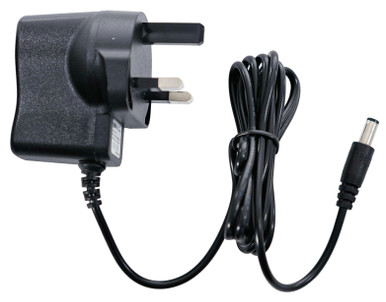
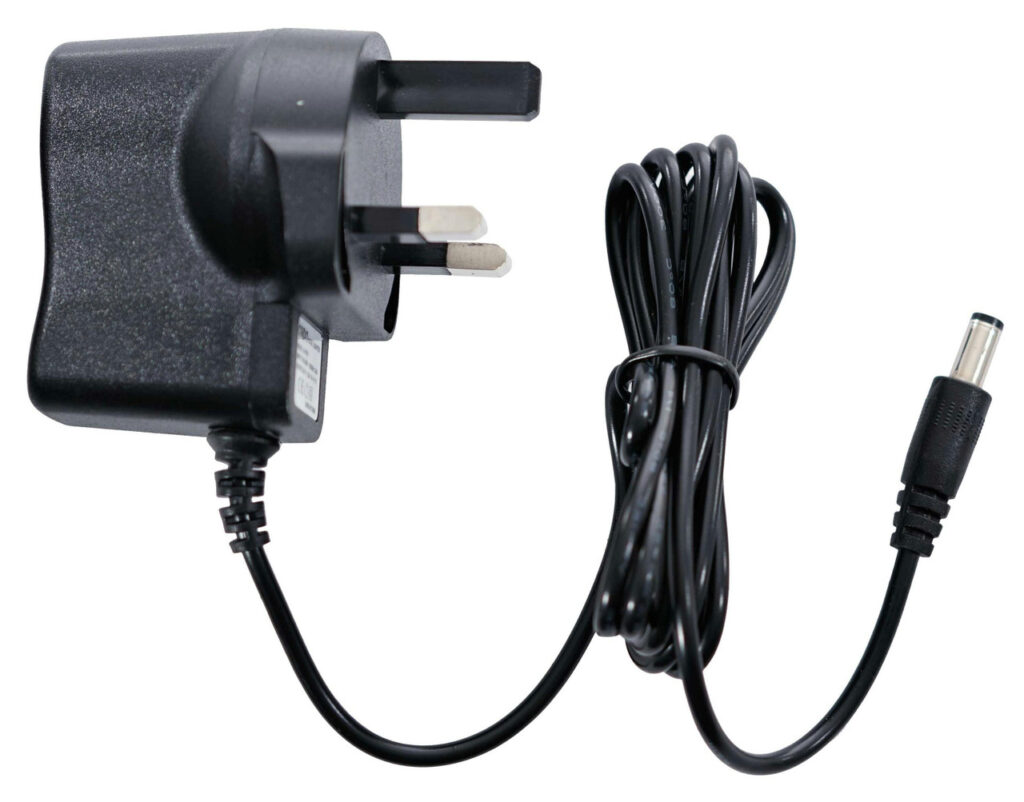
Ordo 9V Guitar Pedal Power Supply

£9.99

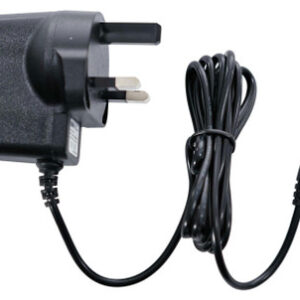
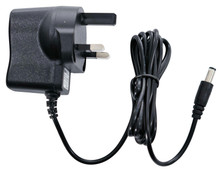
This is the Ordo 9V Guitar Pedal Power Supply from Ordo, listed in Pedal Power Supplies on Just Pedals. Read More below.

View Just
more
and ,

Need to power your guitar pedals without a 9V battery? Whether you’re gigging on-stage or playing with stompboxes at home, this Ordo 9V power supply will get you up and running in seconds with reliable low-noise power.

About Ordo

Ordo make dependable, well-designed gear for musicians and creators. From guitar accessories to studio essentials, their products are built to perform and sensibly priced — offering excellent value without compromising on quality. If you’re looking for a reliable brand to support your everyday music-making, Ordo’s a great choice.

Key Features

  • Plug-and-play pedal power – right out of the box, you can plug this into the mains and power your 9V pedals so you can focus on getting the tone you want!
  • Power multiple pedals – this Ordo power supply provides 1000mA of power, which means you can power up to 5 pedals at once with a handy daisy chain extension.
  • Works with most 9V pedals – power any 9V centre-negative pedal, from modern digital delays to crispy vintage-style overdrives. Check the manual for your pedals to make sure!

Brand

Ordo

Category

Pedal Power Supplies

A pedal power supply converts mains or battery power into the regulated DC outputs required by an effects board. True isolated outputs break ground paths and reduce interaction between pedals, while daisy chains share a common supply. Each output must match voltage, polarity and current demand; switchable voltages, high-current sockets, IEC or external adapters and mounting dimensions affect compatibility.

Tags

Battery Powered

Can operate from an internal replaceable battery, usually with different available current and running time from an external supply. Battery chemistry, access and automatic disconnection through the input socket affect practical runtime and storage. High-current digital processing generally shortens battery life more sharply than a simple analogue circuit.

Digital

Converts the signal or control process into numerical data for algorithmic processing. Digital designs can provide precise timing, long memory, complex routing and repeatable presets; sample rate, conversion, internal resolution and latency influence fidelity and response.