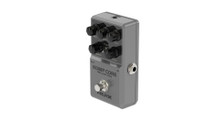
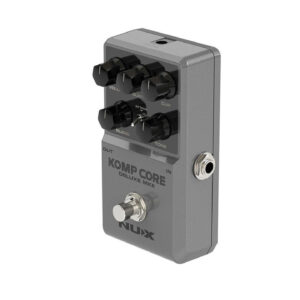
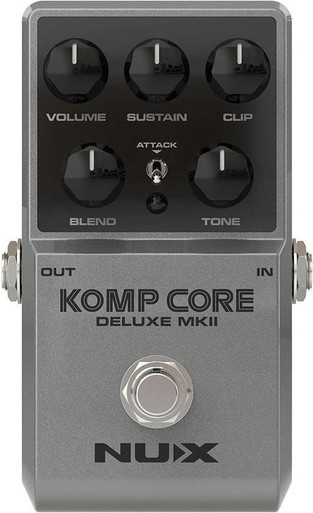
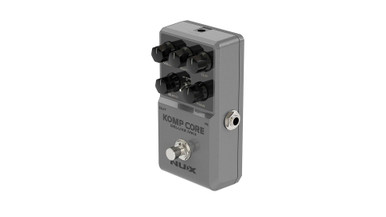
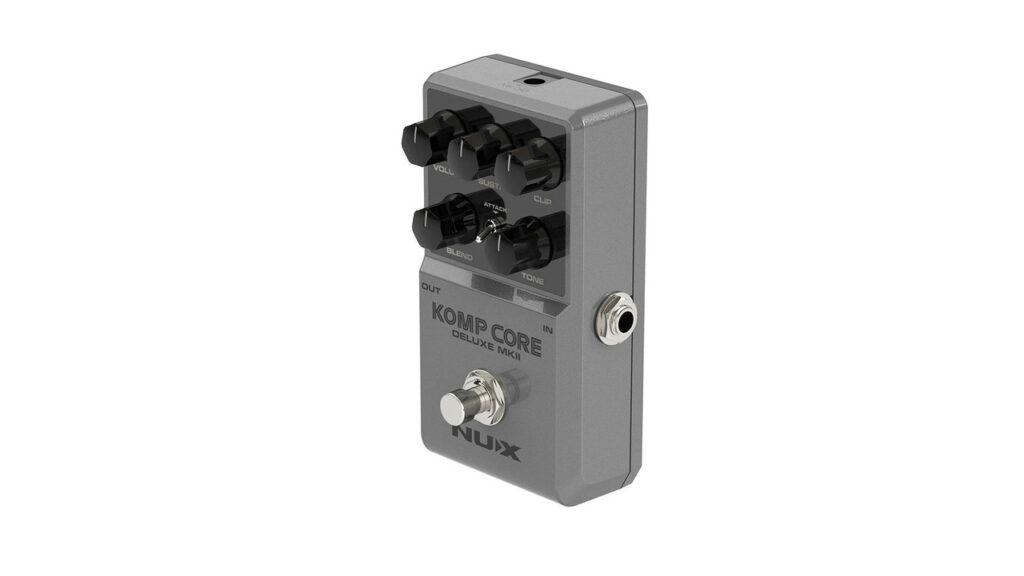
NUX Komp Core Deluxe MKII Compressor Pedal

£59.99

This is a New NUX Komp Core Deluxe MKII Compressor Pedal from NUX, listed in Compressor Pedals on Just Pedals. Read More below.

View Just
more
and , ,

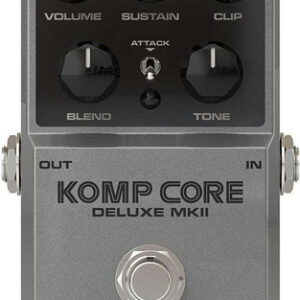
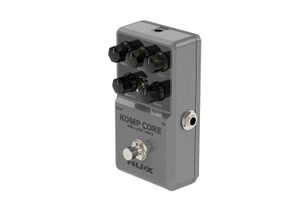
The NUX KOMP CORE DELUXE MKII is a premium compressor pedal designed to deliver studio-grade compression in a compact stompbox format. Perfect for both live performances and studio recordings, it provides musicians with precise, natural dynamic control. Whether you’re looking to preserve your instrument’s natural tone or shape your sound with dynamic clarity, the KOMP CORE DELUXE MKII ensures every note is clean, balanced, and beautifully articulated.

Key features

  • 100% analog circuit.
  • True bypass.
  • Compressor designed for electric guitar and bass.
  • Low power consumption.
  • Blend knob for mixing dry and compressed signals.
  • Clip knob for input gain control.

Studio-grade compressor circuit

The KOMP CORE DELUXE MKII preserves the transparency of your tone while enhancing clarity and balance, ensuring a natural, polished sound, all powered by a high-quality, pure analog circuit.

Versatile instrument compatibility

Whether you’re playing guitar, bass, or keyboards, the KOMP CORE DELUXE MKII seamlessly adapts to various instruments, offering incredible versatility.

Craft your unique sound

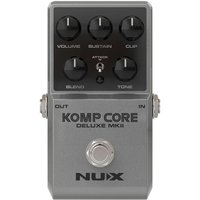
Five Knobs & Toggle Switch Design: With VOLUME, SUSTAIN, CLIP, BLEND, TONE, and ATTACK controls, the KOMP CORE DELUXE MKII offers comprehensive dynamic control and tonal shaping, allowing you to dial in the exact sound you desire.

Sidechain Compression Function: The BLEND knob allows flexible dynamic control, giving you the ability to tailor the compression to your preferences, adding depth and texture to your performance.

Specifications

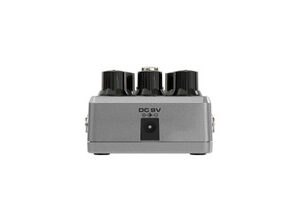
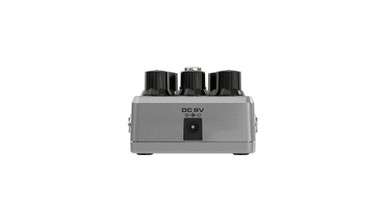
  • Power: 9V DC (Negative tip, Optional ACD-006A adapter)
  • Current Draw: 10mA
  • Dimensions: 122mm(L) x72mm(W) x47mm(H)
  • Weight: 270g

Related videos

Brand

NUX

In the current JustPedals catalogue, NUX is represented by Multi-Effects Pedals, Overdrive Pedals and Delay Pedals. Current listings include Analog Delay, Plexi Crunch and Analog Chorus. That makes the range relevant to players looking for drive, gain and clipping, plus time-based effects and ambience. Check each model for its exact circuit or processing platform, controls, power requirements and connections, particularly where the catalogue includes both pedals and supporting gear.

Category

Compressor Pedals

Compressor pedals reduce dynamic range by turning louder peaks down and raising or sustaining the average level. Attack and release determine whether the pick transient remains sharp or is softened; ratio, threshold, blend and output gain decide whether the result is discreet control or an obvious effect. Compression can even out clean picking, add sustain before an overdrive, tighten bass or provide a steady vocal signal, but it can also raise noise and reduce touch contrast. Check the controls and gain structure before placing one in a busy chain.

Tags

Analogue

Analogue products use continuous audio circuitry for some or all of the signal path, so clipping, filtering or modulation arises from physical components rather than sampled algorithms. The label does not guarantee a particular tone; component choice, headroom, bias, noise and the surrounding gain stages still matter. Check whether the switching, presets, control section or cabinet stage is digital when the exact signal path is important.

Bass

Bass products are designed or voiced to retain low-frequency information and usable headroom with bass guitar or other low-register sources. Controls may centre on clean blend, low-end EQ, compression, crossover points or drive character. A guitar pedal can sometimes work well on bass, but it may remove the fundamental or compress the transient. Check the frequency response, input impedance, output level and dry-signal path with the intended tuning and amplifier.

True Bypass

True bypass removes the effect circuit from the audio path when bypassed, usually by mechanical, relay or switching circuitry. This can preserve the direct signal but does not automatically solve long-cable loading, and it may create a pop or leave no buffer for the rest of the board. Check the actual switching method, trails or spillover, input and output loading and the number of other true-bypass pedals in the chain.