Brand
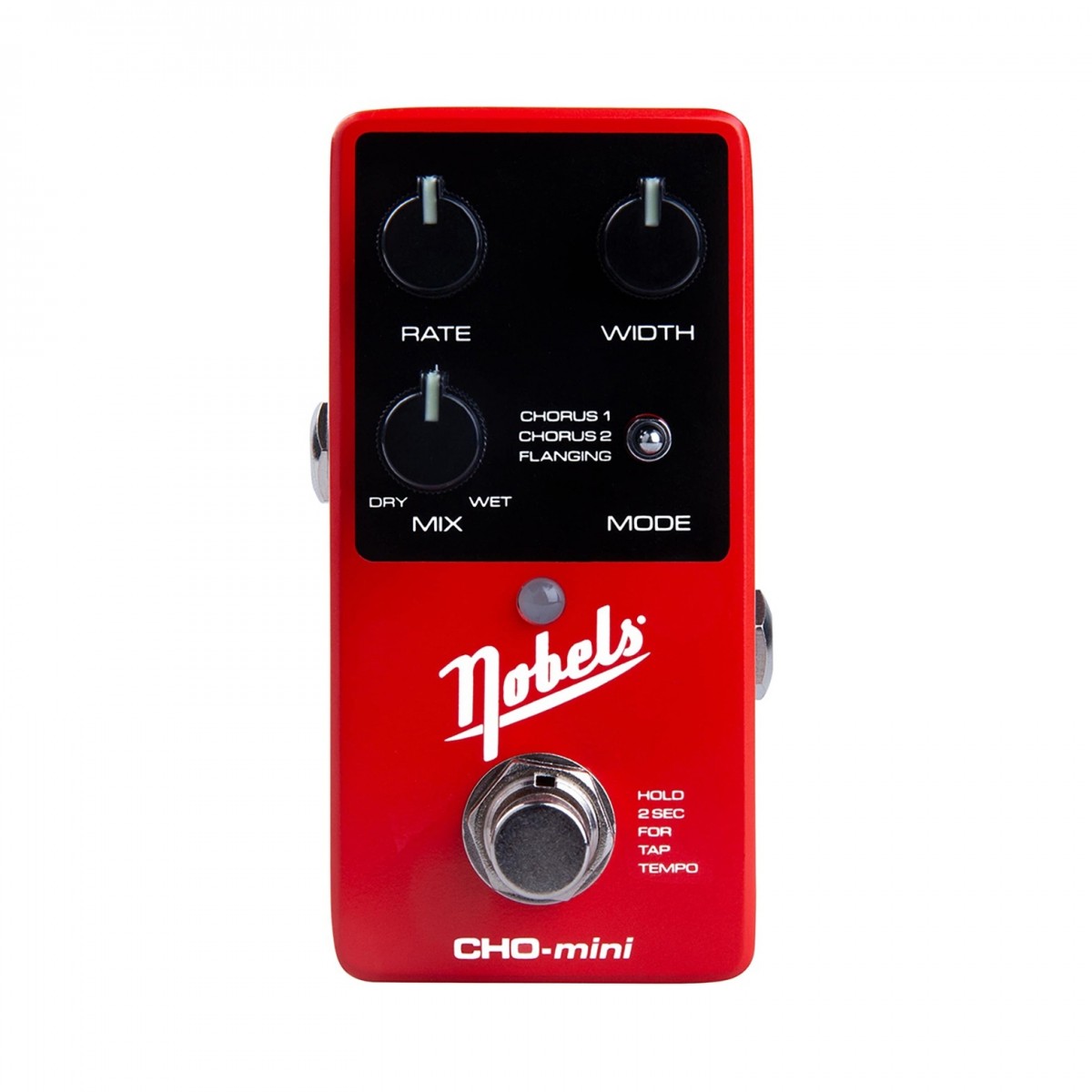
Nobels is a respected brand in the guitar pedal market, primarily known for their ODR-1 overdrive pedal, which has become a staple for players seeking a natural, amp-like overdrive sound. The ODR-1 is celebrated for its smooth distortion, making it a popular choice among guitarists in genres such as rock and country. It has gained a loyal following, with endorsements from notable artists like Michael Wagener and Robbie McIntosh, who have praised its tone and versatility.
The ODR-1 is available in various versions, including the ODR-mini and the ODR-S, each designed to offer different tonal possibilities. The ODR-S model is particularly appreciated for its three-band EQ, which provides greater control over the tonal shape compared to the standard model. Nobels’ pedals, including the ODR-1, are often recommended as alternatives to more well-known overdrive pedals like the Tube Screamer, offering a unique character with a focus on warmth and clarity.
Category
Tags
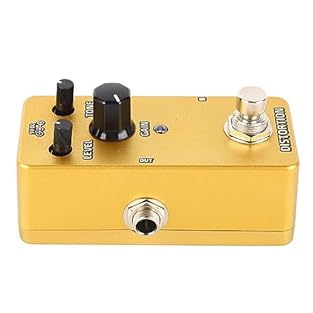
Distortion pedals take your clean guitar signal and transform it into something bigger, bolder, and full of attitude. By clipping the waveform, they add sustain, bite, and aggression, creating that thick, compressed tone that’s powered rock music for decades. From the growling crunch of classic hard rock to the tight, saturated roar of modern metal, distortion is all about energy and presence. It gives every note weight and authority, pushing your amp to its limits and beyond.
There are countless flavours of distortion, each with its own texture and edge. Some sound smooth and creamy, others raw and gnarly like tearing fabric. It’s the sonic equivalent of turning up the heat until the sound cooks — rich, sizzling, and perfectly seasoned to taste. Whether used for rhythm muscle or soaring leads, a good distortion pedal doesn’t just add volume; it adds personality, grit, and that unmistakable sense of power under your fingers.
A phaser is a type of guitar effects pedal that creates a swirling, sweeping sound by modulating the phase of the audio signal. It works by splitting the incoming signal into two paths, shifting the phase of one path, and then recombining them. This creates peaks and troughs in the frequency spectrum, resulting in a distinctive, “phasing” effect characterized by moving notches in the frequency response.
Here’s how a phaser pedal typically works and some common features:
1. **Rate**: The rate control adjusts the speed at which the phase-shifting effect oscillates. Increasing the rate produces faster modulation, creating a more pronounced swirling effect, while decreasing the rate slows down the modulation for a smoother, more subtle effect.
2. **Depth**: The depth control adjusts the intensity or depth of the phase-shifting effect. Higher depth settings result in more pronounced peaks and troughs in the frequency response, while lower settings produce a more subtle modulation.
3. **Feedback (or Regeneration)**: Some phaser pedals feature a feedback control that determines the amount of modulated signal fed back into the effect. Increasing the feedback creates more pronounced peaks and troughs in the frequency spectrum, resulting in a more intense and resonant phasing effect.
4. **Stages**: Phasers typically have multiple stages (usually four, six, or eight), each of which contributes to the overall phase-shifting effect. More stages generally result in a more complex and textured phasing sound.
5. **Sweep (or Manual)**: The sweep control adjusts the center frequency of the phase-shifting effect. This allows you to focus the phasing effect on specific frequency ranges, altering the tonal character of the modulation.
6. **Resonance (or Feedback)**: Some phaser pedals feature a resonance control that emphasizes the peaks and troughs in the frequency response, creating a more pronounced and resonant effect. This control can add richness and depth to the phasing sound.
Phaser pedals are commonly used in various music genres, including rock, funk, and psychedelic music, to add movement, depth, and texture to guitar tones. They can be used to create swirling, swirling effects on rhythm parts, add dynamics to lead lines, or create atmospheric textures for ambient music. Overall, phaser pedals offer guitarists a versatile tool for shaping their tone and adding expressive modulation effects to their playing.
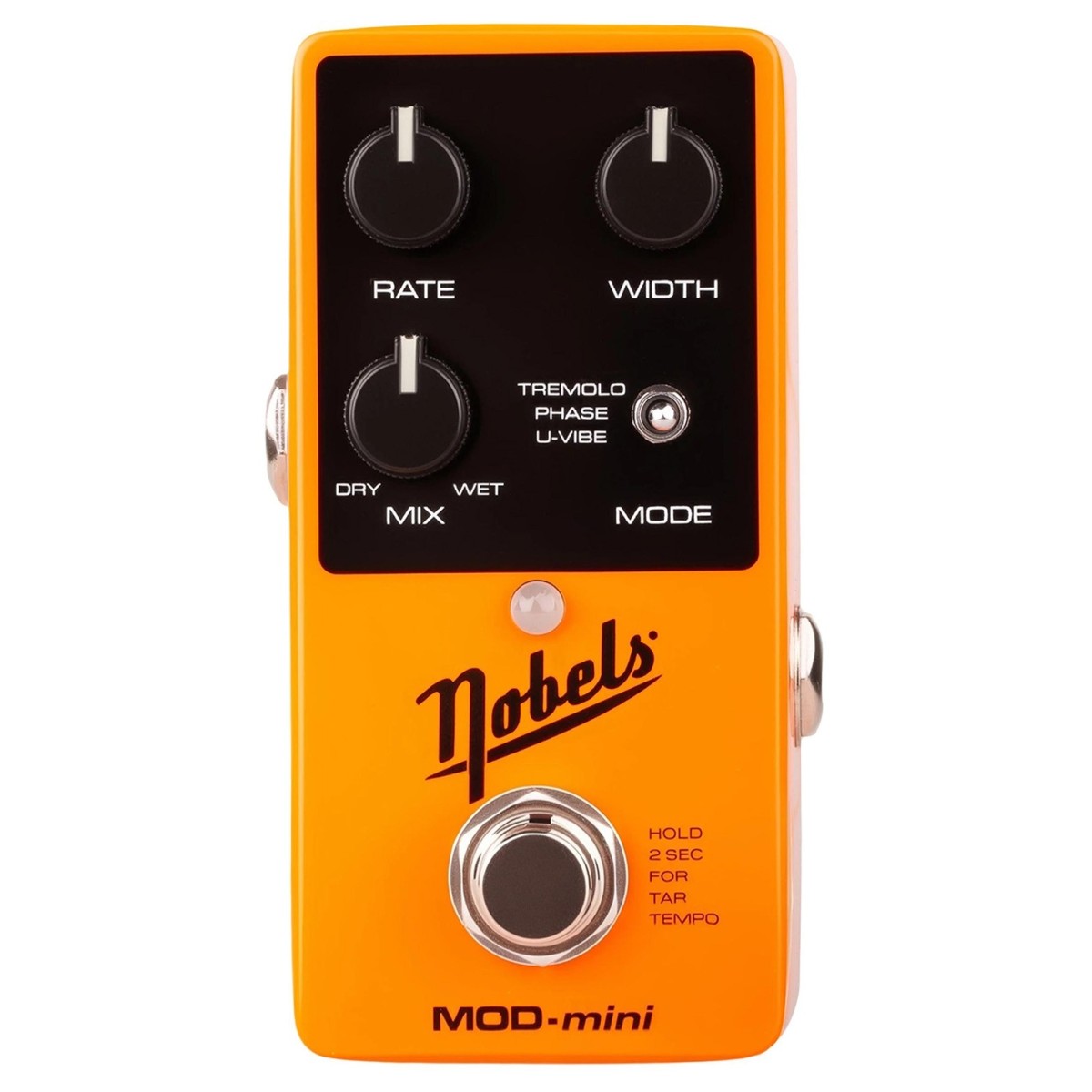
A tremolo pedal modulates the volume of your guitar signal up and down in a rhythmic pattern, creating a pulsing or wavering effect that can sound vintage and hypnotic or sharp and choppy depending on the settings. It’s one of the oldest effects in guitar history, famously used on classic amps from the 1950s and ’60s.
Most tremolo pedals let you control the speed, depth, and wave shape, allowing you to go from smooth, subtle swells to intense stuttering tones. It’s a simple but expressive effect that adds movement and character to your sound.



![[PRECISE LEVEL KNOB] allows you to adjust effects intensity and volume effortlessly. [ADJUSTABLE MODULATION SPEED] for creating a range of dynamic and expressive tones. [MODE SWITCH] lets you easily switch between 11 different modulation effects.Welc...](https://m.media-amazon.com/images/I/41jyhMYBMAL._SL313_.jpg)
![[EXPANSIVE MODULATION CHOICES] Choose from 11 modulation effects like vintage phaser, uni-vibe, and auto filter for diverse sound possibilities. [INTUITIVE INTERFACE] 4 knobs for precise adjustments of level, speed, and depth, ensuring customized eff...](https://m.media-amazon.com/images/I/41pBo9Jjo2L._SL313_.jpg)