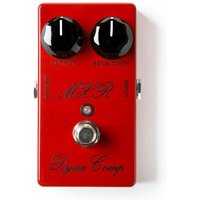
Punchy attack rich sustain. Right at the hit of a switch. The MXR CSP102SL Script Dynacomp Compressor Pedal upgrades the original Dyna Comp with a collection of neat modern enhancements. Coming in a robust pedalboard-friendly housing – the Script Dyna Comp ensures you can take your first-rate tightened sound to any stage studio and rehearsal with more clarity than ever before.Its equipped with a rare integrated circuit. Meaning the Script Dyna Comp yields quieter operation and a much greater dynamic range in performance. But thats not to say it wont produce that classic Dyna Comp sound because its specd from the hailed 1976 model. So you can count on the percussive bite and full-bodied sustain of the MXR Dyna Comp to shine through you playing. A true hardwire bypass signal ensures you dont compromise on tone letting you produce the unique sound of the mid-70s in a design thats tailored for the modern player.
MXR CSP102SL Script Dynacomp Compressor Pedal
This is a New MXR CSP102SL Script Dynacomp Compressor Pedal from MXR is in our Compressor Pedals category on Just Pedals. Read More below.
As an affiliate partner, we may earn a small commission when you buy through our links — at no extra cost to you.
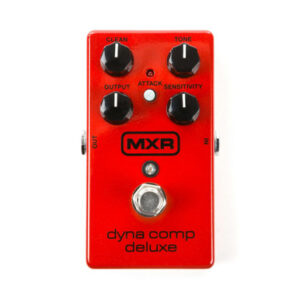
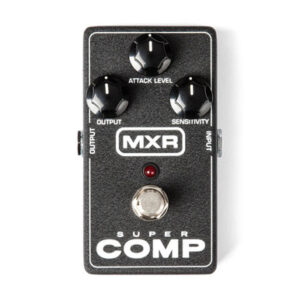
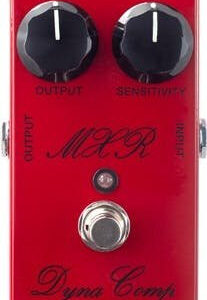
Related videos

Brand
MXR
MXR’s first product was the Phase 90, released in 1972. Dunlop’s official MXR history traces the early line from that compact phaser to the Distortion+, Dyna Comp compressor and Blue Box octave fuzz—circuits that remain central reference points for the brand. JustPedals carries those classic families alongside the Carbon Copy analog delay, Micro Amp, Talk Box and bass effects. MXR’s range is deliberately broader than one effect category: compare the model number and version, especially where a classic circuit has later reissues, mini enclosures or expanded controls.
Category
Compressor Pedals
Compression reduces the difference between louder and quieter parts of the signal. It can restrain peaks, lift decaying notes and make picking feel more even, but strong settings also change the attack and add audible sustain or pumping. Threshold, ratio, attack, release and blend determine when gain reduction begins, how firmly it acts and how much natural transient detail remains.
Others Just Ordered :
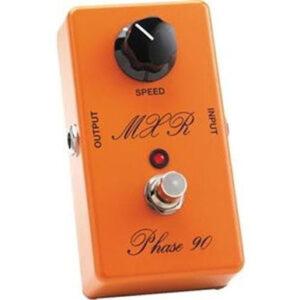
- I Love A Happy Accident… – Animals Pedal

- Animals Pedal Vintage Van Driving is Very Fun Overdrive
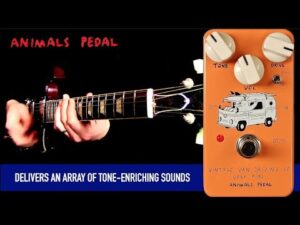
- Animals Pedal Sunday Afternoon Is Infinity Bender
- Ninevolt Pedals | Bath Time Reverb (Animals Pedal)
- This Fuzz Pedal Makes No Sense… But It Sounds Incredible

- ANIME Pedals | Animals Pedal Custom Illustrated Series