Brand
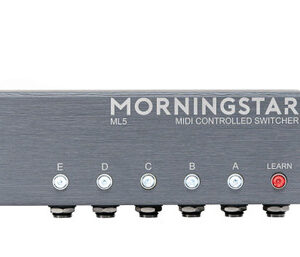
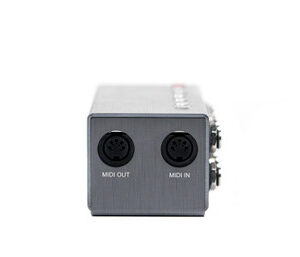
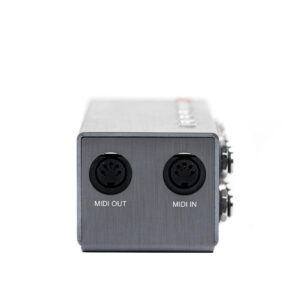
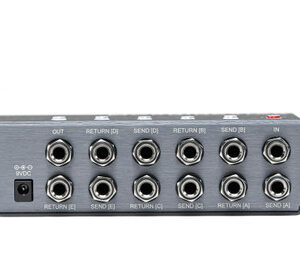
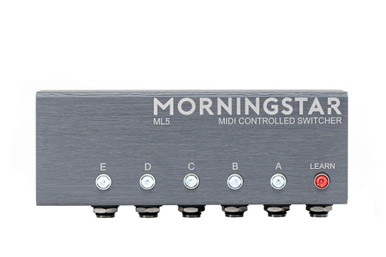
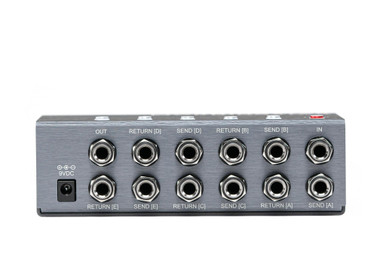
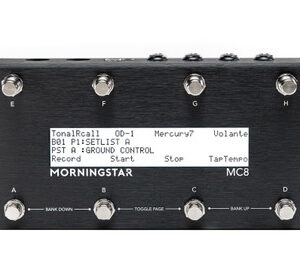
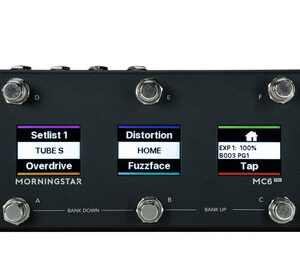
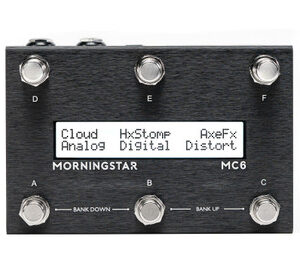
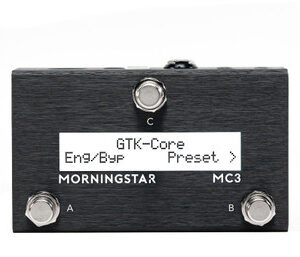
In the current JustPedals catalogue, Morningstar is represented by Pedal Switchers. Current listings include MIDI Box, ML5 Loop Switcher and MC3 MIDI Controller. That makes the range relevant to players looking for pedalboard infrastructure and control. Check each model for its exact circuit or processing platform, controls, power requirements and connections, particularly where the catalogue includes both pedals and supporting gear.
Category
A pedal switcher routes effects through independently controlled loops so several pedals can be engaged, bypassed or reordered from one set of footswitches. Simple loop strips shorten the live signal path; programmable systems store combinations as presets and may send MIDI commands or change amplifier channels. Loop count, buffer placement, stereo support, spillover and routing flexibility define the system.
Tags
The signal is shaped by continuously varying electronic circuitry rather than being converted into a digital effect algorithm. Component choice, operating voltage and circuit tolerances influence headroom, noise, clipping texture and the small variations in response between designs.
Converts the signal or control process into numerical data for algorithmic processing. Digital designs can provide precise timing, long memory, complex routing and repeatable presets; sample rate, conversion, internal resolution and latency influence fidelity and response.
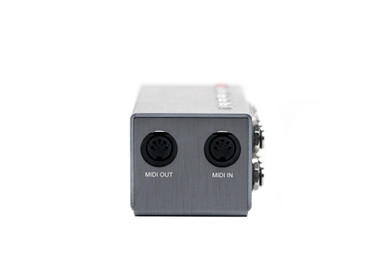
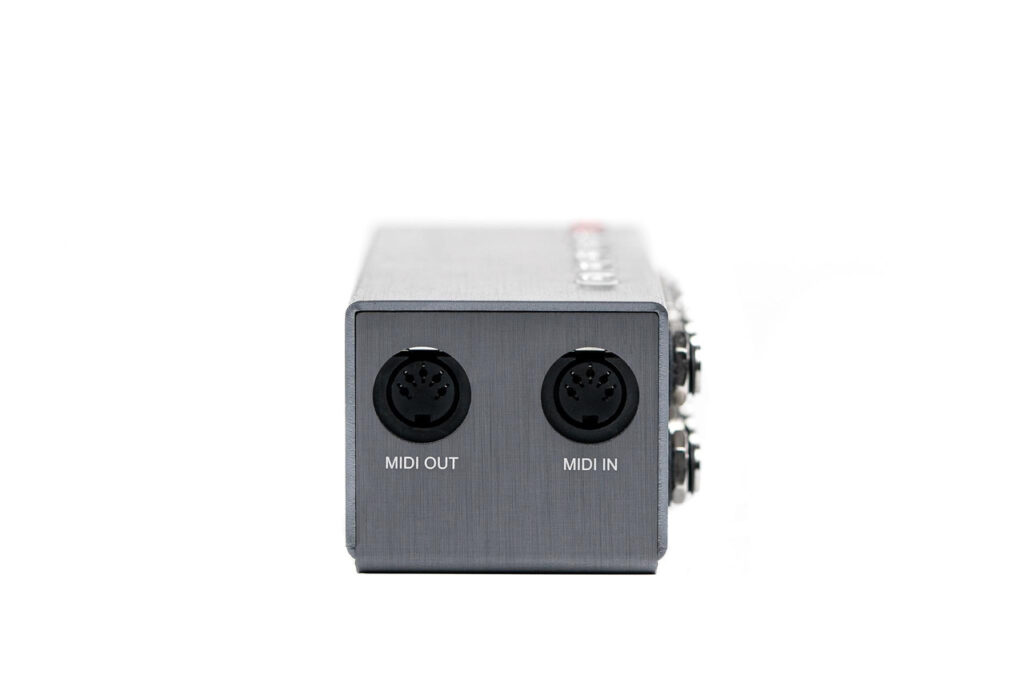
Sends, receives or responds to Musical Instrument Digital Interface messages rather than carrying the instrument audio itself. Program changes recall presets, continuous controllers move parameters, and MIDI clock or transport messages synchronise timing between devices.
Stores complete groups of parameter values for later recall. The number of locations, switching time, spillover behaviour and whether presets include routing, expression and MIDI assignments determine how completely one sound can change into another.
Connects input directly to output through mechanical or relay switching when the effect is off, removing the active circuit from the audio path. It avoids buffer colour but leaves cable capacitance and switching design to influence high-frequency loss and possible switching noise.