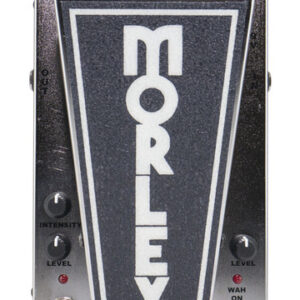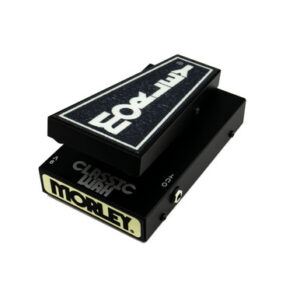
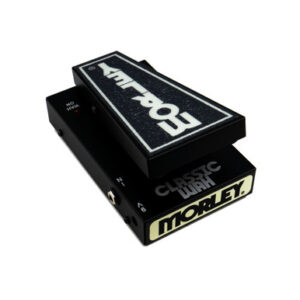
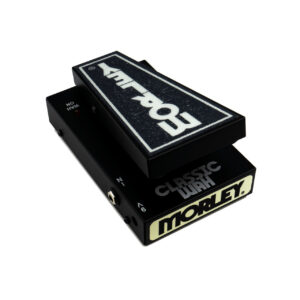
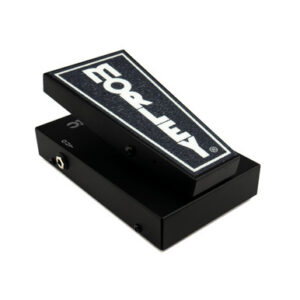
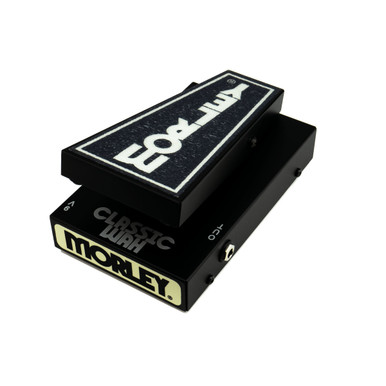
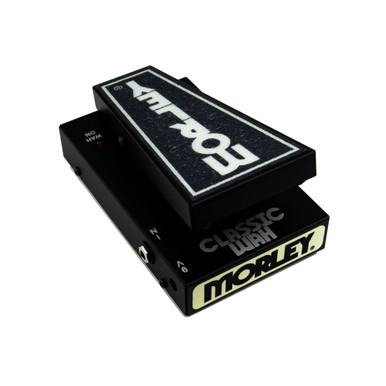
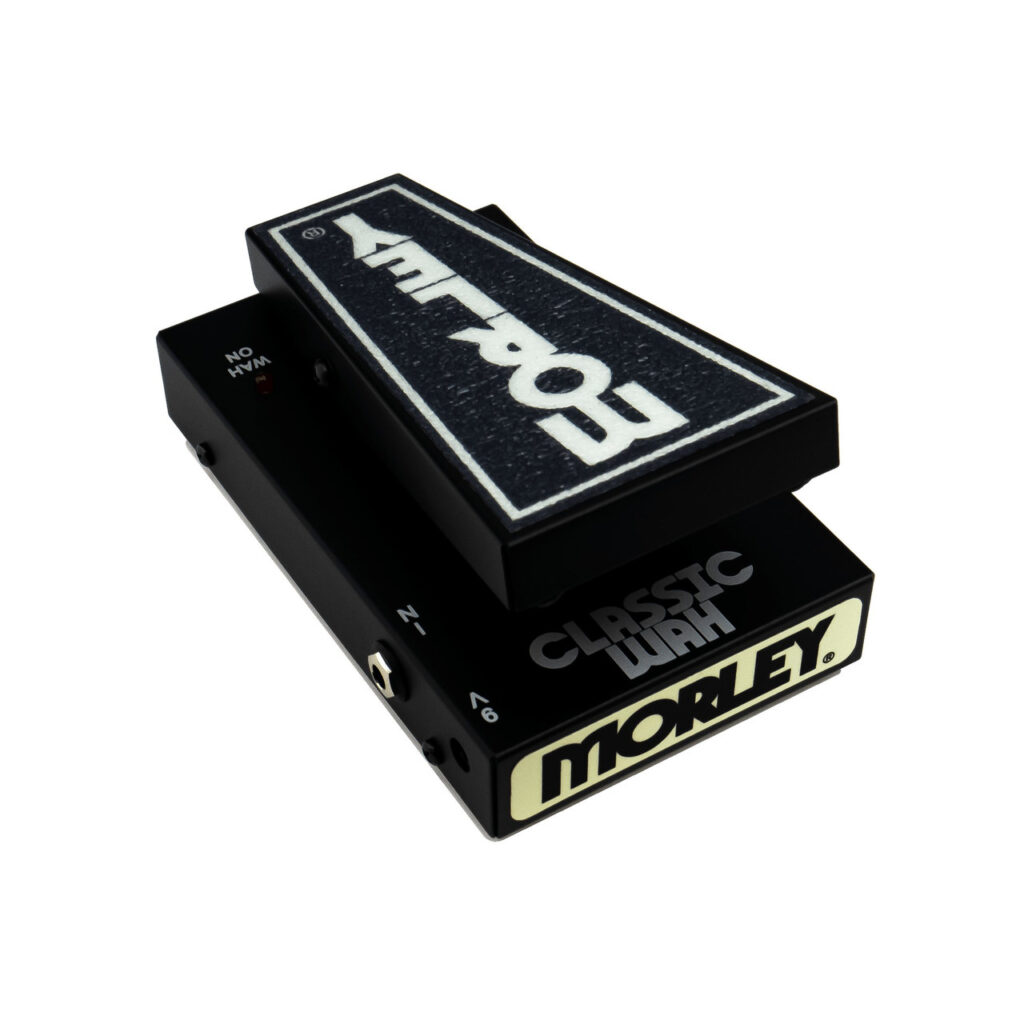
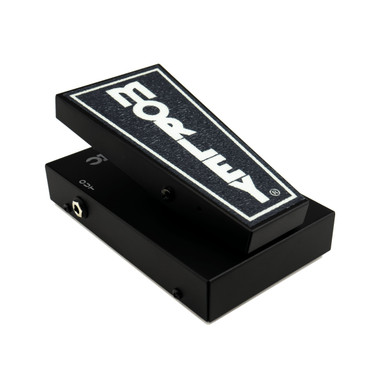
Morley 20-20 MT Mini Series Classic Switchless Wah Pedal

£149.00

This is a New Morley 20-20 MT Mini Series Classic Switchless Wah Pedal from Morley, listed in Wah & Filter Pedals on Just Pedals. Read More below.

View Just
more

Here's what Morley say:

The Classic Switchless Wah comes equipped with the great features our Wah pedals are known for, all for just $99. Yes, you read that correctly! Just $99. You get classic Wah-Wah tone with our MQ2 Inductor, dependable Electro-Optical circuitry, smooth and easy Switchless activation, and our 20/20 Buffer circuitry.

Key features

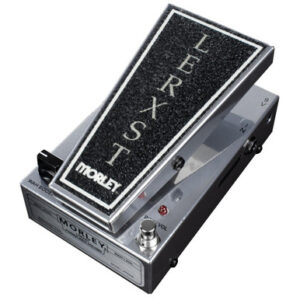
  • Switchless operation; Simply step on the treadle to engage the Wah and step off to bypass.
  • Engineered to save space on your board; 6.85" x 4.5" x 2.5" (L x W x H)
  • Our world famous Electro-Optical design. No pots to wear out!
  • Classic Wah tone with a custom MQ2 Inductor.
  • 20/20 Buffer circuit ensures pure guitar tone and output.
  • Glow-in-the-dark treadle rubber and Morley logo.
  • Powered by one 9-volt battery or optional Morley 9V adapter. Compatible with most 9V adapters.
  • Rugged cold-rolled steel housing, LED indication, quick clip battery door and one-year warranty. Lifetime Warranty available with registration.
Related videos

Brand

Morley

In the current JustPedals catalogue, Morley is represented by Wah & Filter Pedals, Volume Pedals and Boost Pedals. Current listings include 20-20 Wah Lock, 20-20 Power Fuzz Wah and 20-20 Lead Wah Boost. That makes the range relevant to players looking for drive, gain and clipping. Check each model for its exact circuit or processing platform, controls, power requirements and connections, particularly where the catalogue includes both pedals and supporting gear.

Category

Wah & Filter Pedals

Wah and filter pedals move or emphasise a frequency range to create a vocal sweep, resonant peak, cocked-wah tone or envelope-controlled response. A treadle wah is controlled by foot position; an auto-filter follows playing dynamics or a control source. Sweep range, resonance, Q, bias, input loading and bypass all change the feel. Check whether the circuit prefers to see the guitar directly, how it handles bass or synth signals and where it should sit around fuzz, overdrive and modulation.