Brand
MOOER entered the music-gear market in 2010 with miniature guitar effects pedals, conceived by four music-and-technology enthusiasts in Shenzhen, China. The company later expanded into preamp pedals, amp modelling, impulse-response loaders and multi-effects, including the GE200 and RADAR IR Loader. JustPedals listings show the compact effects side of the range: Reecho digital delay, Green Mile overdrive, Liquid Phaser, Triangolo tremolo and Pure Boost. MOOER’s small enclosures are a design choice, not a guide to how much control a model offers; check its modes, switching and power needs individually.
Category
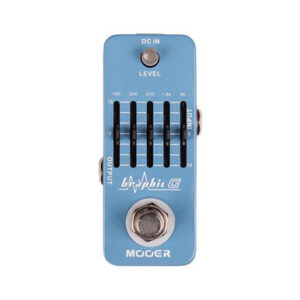
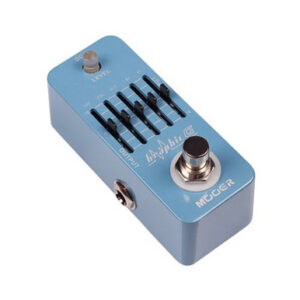
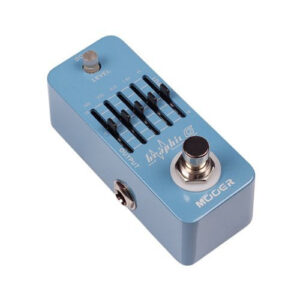
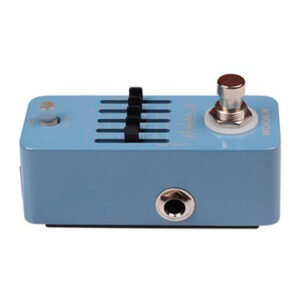
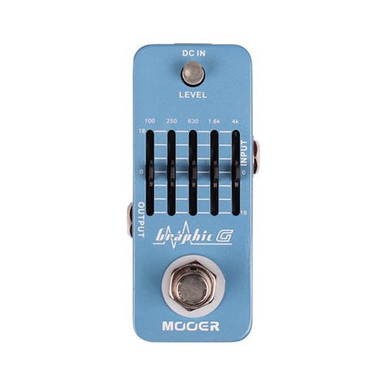
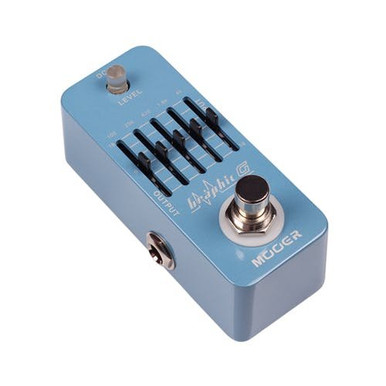
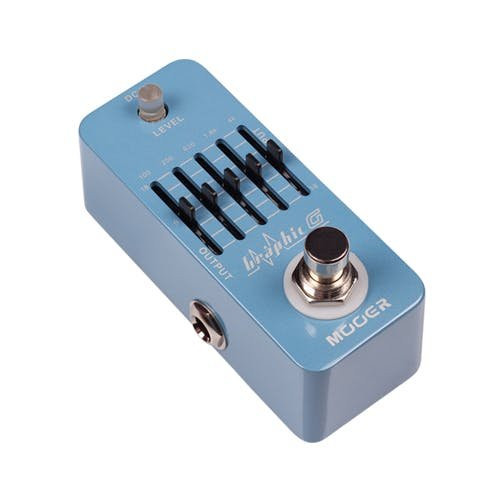
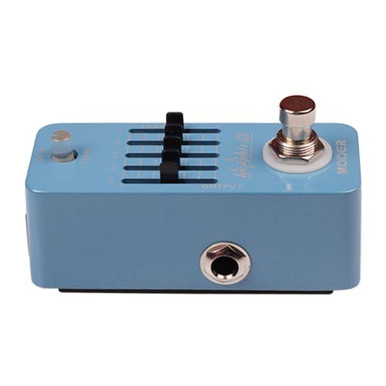
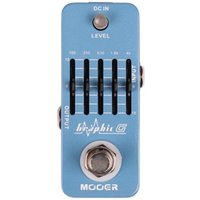
Equalisation changes the level of selected frequency regions without intentionally adding modulation or time-based effects. Graphic EQ divides the spectrum into fixed bands, parametric EQ allows frequency and bandwidth to move, and simpler designs provide broad bass, middle and treble shaping. Available boost or cut, centre frequencies, filter width and overall output level determine whether the pedal makes corrective, tonal or gain-driving changes.
Tags
Connects input directly to output through mechanical or relay switching when the effect is off, removing the active circuit from the audio path. It avoids buffer colour but leaves cable capacitance and switching design to influence high-frequency loss and possible switching noise.