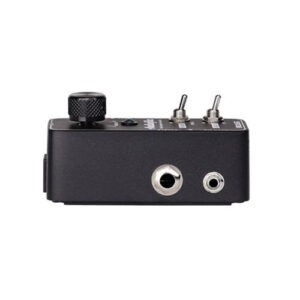
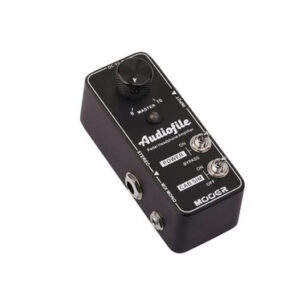
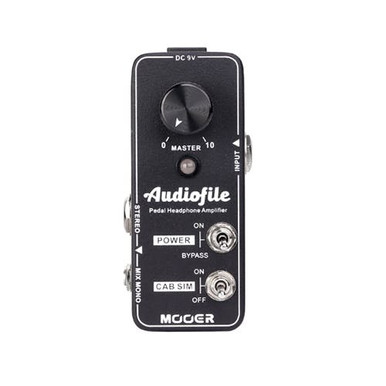
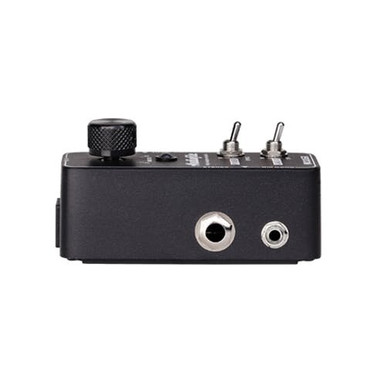
Brand
Mooer is a Chinese company that produces affordable, compact guitar effects pedals and other music equipment.
Established in 2010, Mooer quickly gained popularity for its “Micro-Series” pedals, which are small but deliver a wide range of effects, from overdrive and distortion to reverb, delay, and modulation. Despite their budget-friendly price, Mooer pedals are appreciated for their solid build quality, ease of use, and impressive sound.
The company also offers multi-effects units, amplifiers, and accessories, catering to both beginner and experienced musicians who seek reliable gear without breaking the bank. Mooer’s products are widely used by guitarists worldwide, particularly those who value portability and versatility in their setups.
Category
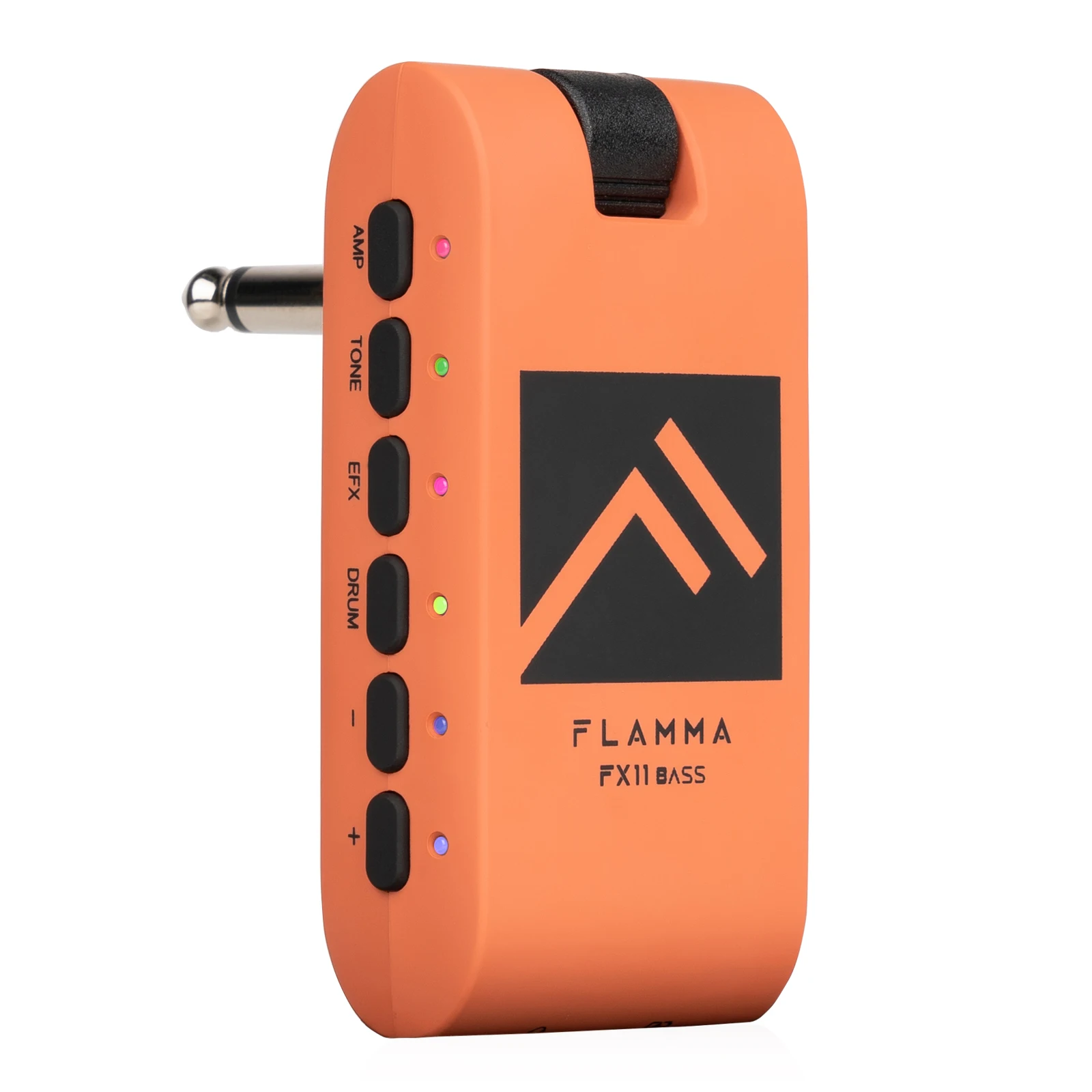
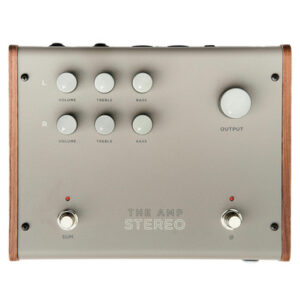
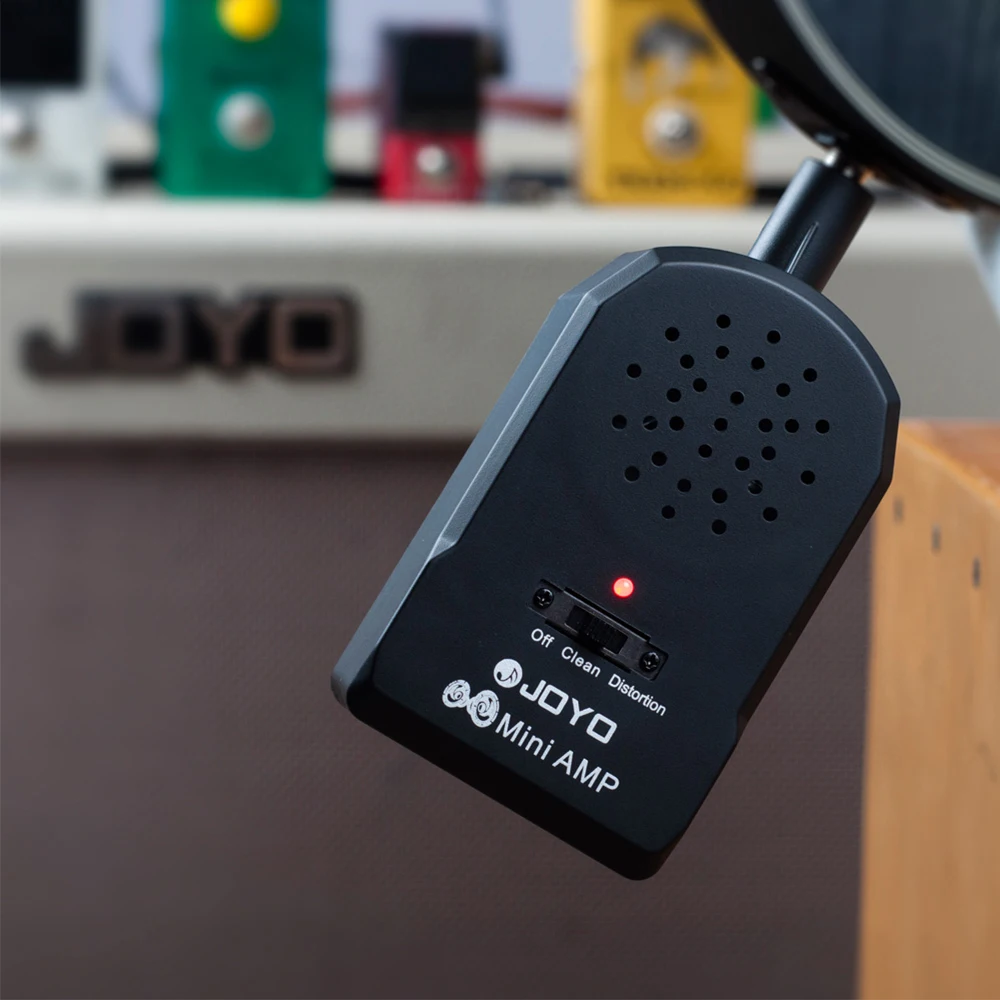
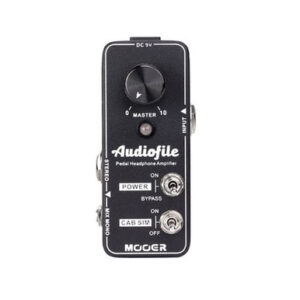
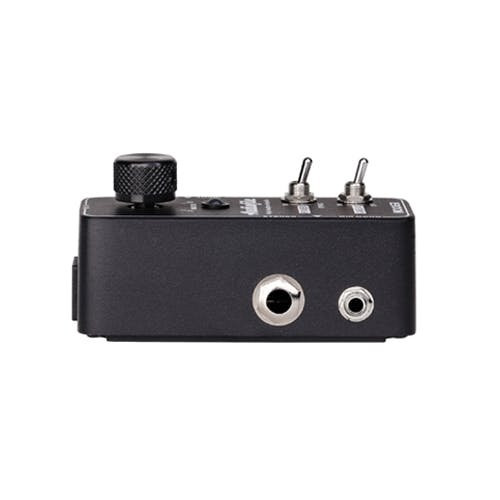
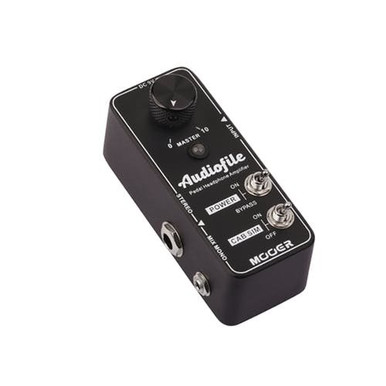
Pedal-format amplifiers contain a power-amp stage, headphone driver or both, allowing a pedalboard signal to drive speakers or headphones directly. Output power and minimum speaker impedance are critical for power amps; headphone impedance, cabinet simulation and auxiliary inputs matter for silent monitoring. Some designs also provide preamp voicing, effects loops, balanced outputs or USB recording.
Tags
The signal is shaped by continuously varying electronic circuitry rather than being converted into a digital effect algorithm. Component choice, operating voltage and circuit tolerances influence headroom, noise, clipping texture and the small variations in response between designs.
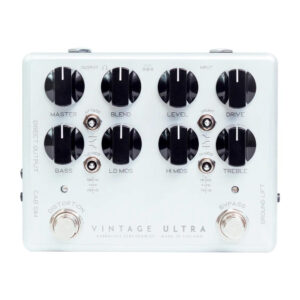
Voiced or equipped to retain low-frequency fundamentals and the higher headroom of a bass signal. Clean blends, crossovers and bass-specific filter ranges can preserve weight and articulation while the effected portion adds harmonics, movement or ambience.
Recreates the strong frequency filtering and resonance imposed by a loudspeaker cabinet and its microphone. It removes the harsh, extended high end of an unfiltered preamp signal and may offer cabinet size, speaker, microphone, position and room choices.
Processes, creates or passes two audio channels. True stereo preserves separate left and right inputs, while mono-to-stereo effects generate spatial differences internally; routing, phase behaviour and whether trails remain stereo determine the resulting image. Some outputs sum to mono when only one socket is connected, which can change level or modulation depth.
Connects input directly to output through mechanical or relay switching when the effect is off, removing the active circuit from the audio path. It avoids buffer colour but leaves cable capacitance and switching design to influence high-frequency loss and possible switching noise.