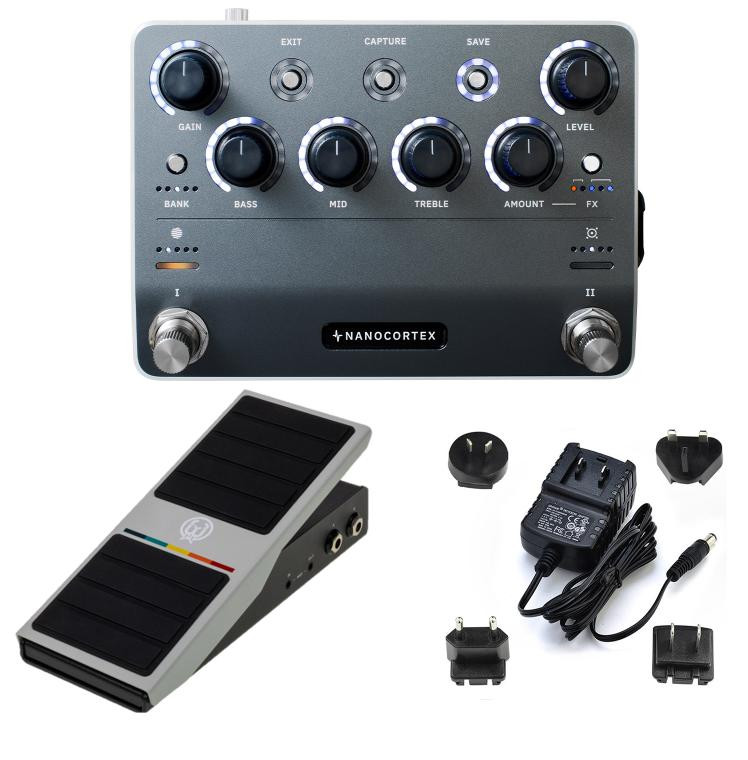

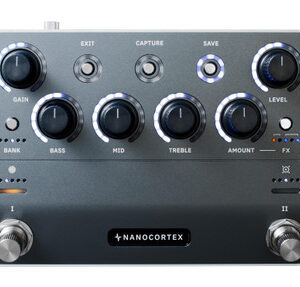
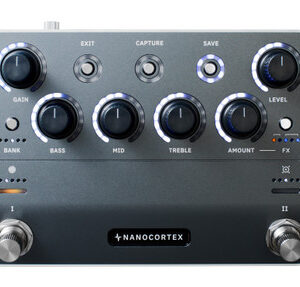
The Nano Cortex is a portable pedal-sized modeller, loaded with plenty of flagship-quality tone, IR’s and amp & pedal capture functionality that pushes the boundaries of guitar tone technology. With a signal chain with over 50 effects and utilities to choose from, you can select and customise your signal chain into the 7 device slots, using the Neural DSP Nano Cortex smartphone app. With the addition of the Walrus Audio Canvas Expression Pedal, you can control the Nano Cortex’s effects in a more tactile way, from simple volume adjustments to controlling multiple FX & tone parameters on the fly. Included In This Bundle: Neural DSP Nano Cortex Walrus Audio Canvas Expression pedal TRS cable for connection 9V 1A International Pedal Power Supply with Interchangeable Mains Plug Neural DSP Nano Cortex Create inspiring high-definition captures of any amp or pedal in minutes, choose from thousands of built-in rigs or user captures on the Cortex Cloud, and easily build it into your setup with ultra-versatile connectivity. Powered by Neural DSP’s acclaimed processing and capture technology, the Nano Cortex combines unmatched sound quality and tonal ‘feel’ with simple controls and smart features that make it a breeze to use. Following in the footsteps of its big brother, the Quad Cortex, this might just be the ultimate portable guitar & bass rig solution, whatever your style!Key Features Neural DSP Power In A Pedal – Industry-leading sound quality and DSP power housed in a sleek, hard-wearing stompbox enclosure that fits on your pedalboard. 7-Channel USB Audio Interface – The Nano Cortex is a 7-channel audio interface perfect for recording on the go. Thousands Of Premium Tones – Between the built-in library and the Cortex Cloud, you can seamlessly switch between readymade guitar & bass tones for any style, any occasion in seconds. Capture & Create Your Own Rig – It only takes a few minutes to capture any amp or pedal, A/B test its sound, and save it as part of your own custom rig without ever leaving the Nano Cortex’s easy controls. Simple, Versatile Signal Chain – The Nano Cortex keeps it simple & creative with two pre-FX slots, two slots to choose an amp & IR combination, plus 3 post-FX slots to add rich atmosphere. Smart Connectivity – Effortlessly hook the Nano Cortex up to your setup with full stereo outs, MIDI control, USB-C, and Bluetooth for app-based tone customisation. You can even record straight into your DAW with low-latency USB audio.
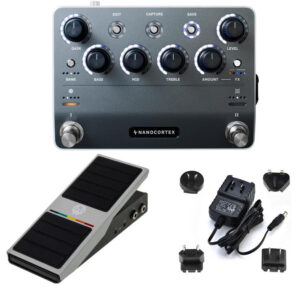
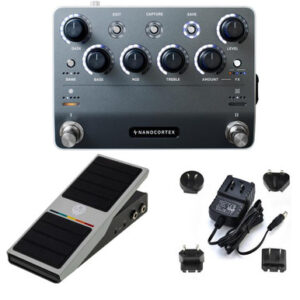


Neural DSP Nano Cortex Bundle With Mission Engineering Expression Pedal
This is a New Neural DSP Nano Cortex Bundle With Mission Engineering Expression Pedal from Neural DSP its found in our Expression Pedals on the Just Pedals menu. Read More below.
As an affiliate partner, we may earn a small commission when you buy through our links — at no extra cost to you.
Related videos
Brand
Neural DSP
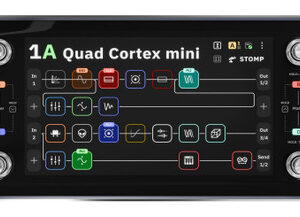
In the current JustPedals catalogue, Neural DSP is represented by Multi-Effects Pedals. Current listings include Nano Cortex, Quad Cortex and Quad Cortex Mini. That makes the range relevant to players looking for modelling, direct rigs and multi-effects. Check each model for its exact circuit or processing platform, controls, power requirements and connections, particularly where the catalogue includes both pedals and supporting gear.
Category
Expression Pedals
An expression pedal converts foot movement into a control signal rather than processing audio directly. It can sweep parameters such as delay time, modulation depth, pitch or volume on compatible equipment. Potentiometer value, wiring polarity, connector type and minimum-range controls must match the receiving device; some models provide multiple outputs or programmable MIDI control instead of a passive resistance.
Tags
Bass
Voiced or equipped to retain low-frequency fundamentals and the higher headroom of a bass signal. Clean blends, crossovers and bass-specific filter ranges can preserve weight and articulation while the effected portion adds harmonics, movement or ambience.
Others Just Ordered :
- I Love A Happy Accident… – Animals Pedal
- Animals Pedal Vintage Van Driving is Very Fun Overdrive
- Animals Pedal Sunday Afternoon Is Infinity Bender
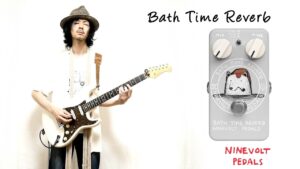
- Ninevolt Pedals | Bath Time Reverb (Animals Pedal)
- This Fuzz Pedal Makes No Sense… But It Sounds Incredible

- ANIME Pedals | Animals Pedal Custom Illustrated Series