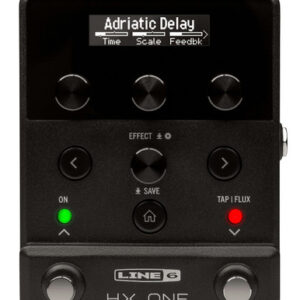
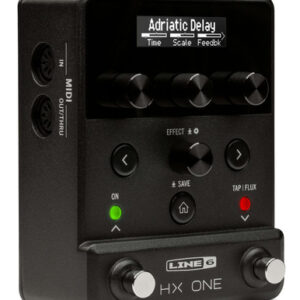
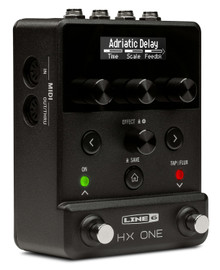
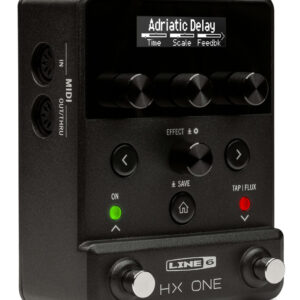
Brand
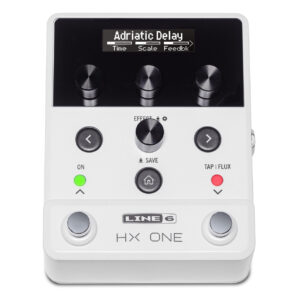
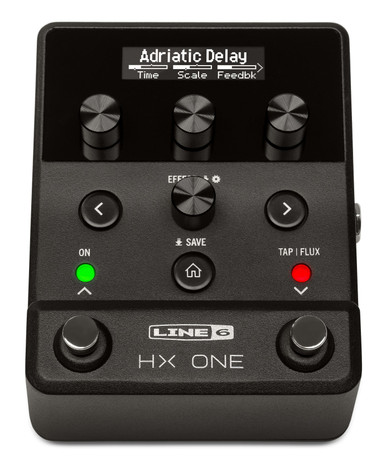
Line 6 is a leading manufacturer of digital modeling amplifiers, effects pedals, audio interfaces, and guitar processors, known for their innovative technology and versatility. Founded in 1996 by Marcus Ryle and Michel Doidic, Line 6 has been at the forefront of digital audio technology, pioneering products that have revolutionized the way musicians create and perform.
Line 6’s product lineup includes a wide range of guitar amplifiers and effects pedals that utilize digital modeling technology to emulate the sounds of classic analog gear, as well as create entirely new tones and effects. Their flagship amplifier series, such as the Line 6 Helix and Line 6 POD, offer a comprehensive range of amp models, effects, and signal processing capabilities in a single unit, providing guitarists with a vast palette of tones to explore.
In addition to amplifiers and effects pedals, Line 6 produces audio interfaces, wireless systems, and software applications designed to streamline the music production process and enhance the performance experience for musicians. Their wireless guitar systems, like the Line 6 Relay series, offer reliable and interference-free performance, while their software applications, such as Line 6 Edit and Helix Native, provide powerful tools for editing and managing tones.
With a commitment to innovation, quality, and versatility, Line 6 continues to be a trusted name in the music industry, providing musicians with cutting-edge technology and inspiring tools to express their creativity and achieve their musical goals.
Category
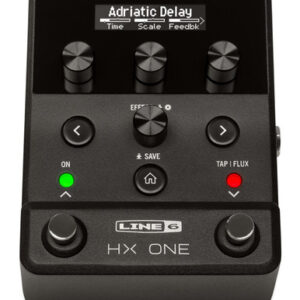
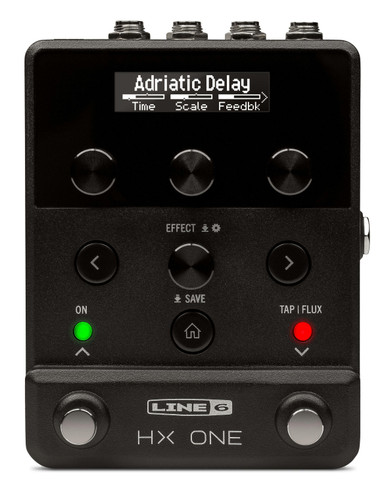
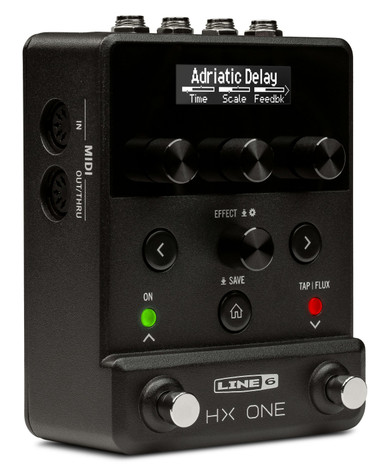
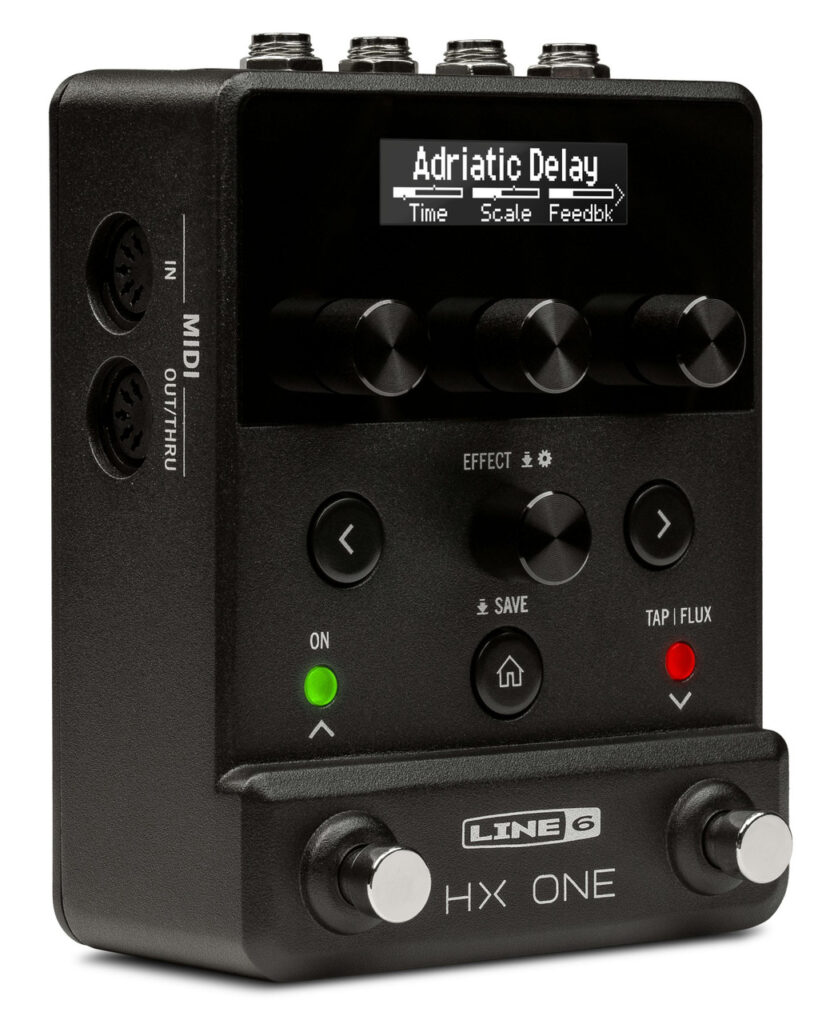
A multi-effects processor combines several effect algorithms and signal-routing stages in one unit. Its sound depends not only on the individual models but on their order, parallel or serial routing, processing resolution and available control. Preset structure, switching gaps, foot control, expression assignment, amp or cabinet modelling, USB audio and MIDI determine how completely the processor can replace separate pedals.
Tags
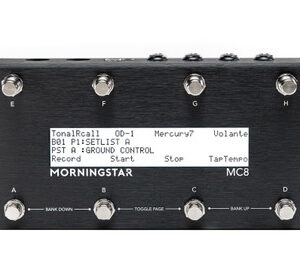
Sends, receives or responds to Musical Instrument Digital Interface messages rather than carrying the instrument audio itself. Program changes recall presets, continuous controllers move parameters, and MIDI clock or transport messages synchronise timing between devices.
Stores complete groups of parameter values for later recall. The number of locations, switching time, spillover behaviour and whether presets include routing, expression and MIDI assignments determine how completely one sound can change into another.
Processes, creates or passes two audio channels. True stereo preserves separate left and right inputs, while mono-to-stereo effects generate spatial differences internally; routing, phase behaviour and whether trails remain stereo determine the resulting image. Some outputs sum to mono when only one socket is connected, which can change level or modulation depth.
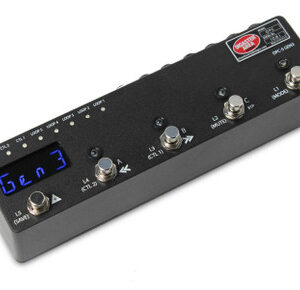
Connects input directly to output through mechanical or relay switching when the effect is off, removing the active circuit from the audio path. It avoids buffer colour but leaves cable capacitance and switching design to influence high-frequency loss and possible switching noise.
Provides a Universal Serial Bus connection for power, audio, MIDI, firmware or editing data. The supported USB class and connector do not by themselves show its purpose; channel count, sample format, host compatibility and power demand define the actual function.