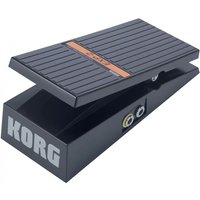
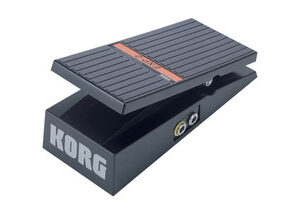
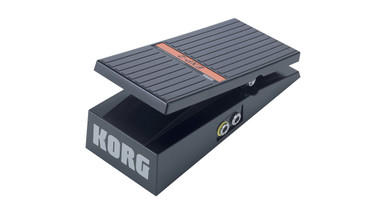
Korg EXP2 expression pedal

£59.00

This is a New Korg EXP2 expression pedal from Korg, listed in Expression Pedals on Just Pedals. Read More below.

View Just
more
and

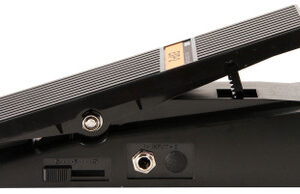
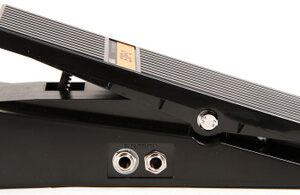
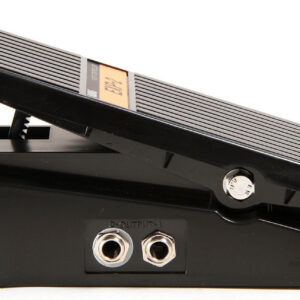
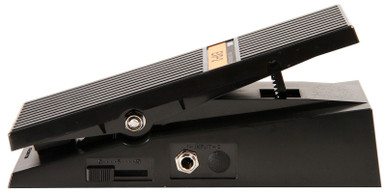
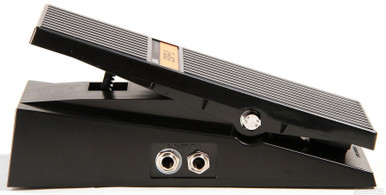
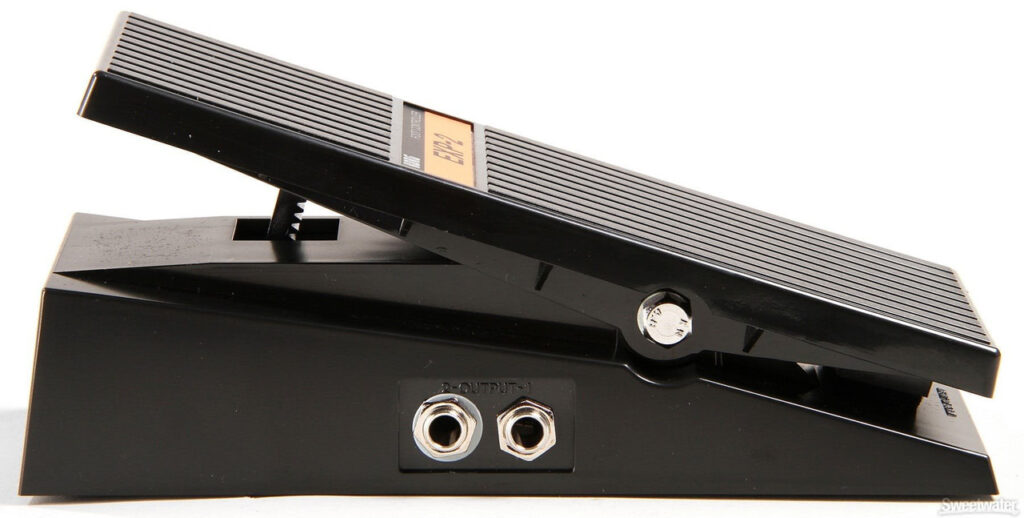
This versatile foot controller/expression pedal can be used with most Korg keyboards, modules and effect processors, when connected to the assignable pedal socket for normal use. It includes an adjustable minimum setting via the side mounted slide control and includes a 3 conductor cable.

Here's What Korg Say: 

A foot controller that can be used as a lightweight and compact volume/expression pedal.

Features 

  • Use as a volume pedal (when using INPUT-1 and OUTPUT-1) or as an expression pedal (when using OUTPUT-2).
  • Minimum volume can be set in a range from 0 to approximately 50%.

In the Box 

  • Stereo Cable for Expression 

Specifications 

  • Dimensions: (W x D x H)87 x 200 x 91.5 mm/3.43” x 7.87” x 3.60”
  • Weight: 460 g/1.01 lbs.

Related videos

Brand

Korg

In the current JustPedals catalogue, Korg is represented by Tuner Pedals, Expression Pedals and DIY Pedal Kits. Current listings include PS-1 Footswitch, EXP2 Expression and KR-11 Compact Rhythm Box. That makes the range relevant to players looking for drive, gain and clipping, plus modelling, direct rigs and multi-effects. Check each model for its exact circuit or processing platform, controls, power requirements and connections, particularly where the catalogue includes both pedals and supporting gear.

Category

Expression Pedals

An expression pedal converts foot movement into a control signal rather than processing audio directly. It can sweep parameters such as delay time, modulation depth, pitch or volume on compatible equipment. Potentiometer value, wiring polarity, connector type and minimum-range controls must match the receiving device; some models provide multiple outputs or programmable MIDI control instead of a passive resistance.

Tags

Stereo

Processes, creates or passes two audio channels. True stereo preserves separate left and right inputs, while mono-to-stereo effects generate spatial differences internally; routing, phase behaviour and whether trails remain stereo determine the resulting image. Some outputs sum to mono when only one socket is connected, which can change level or modulation depth.