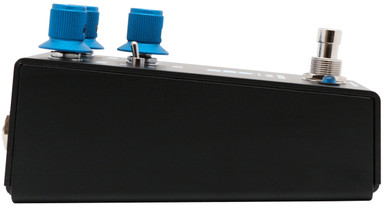
Keeley Blue Disorder 4-in-1 Blues Breaker and OCD Style Overdrive and Distortion Pedal

£209.00

This is the Keeley Blue Disorder 4-in-1 Blues Breaker and OCD Style Overdrive and Distortion Pedal from Keeley Electronics, listed in Overdrive Pedals on Just Pedals. Read More below.

View Just
more
and , ,

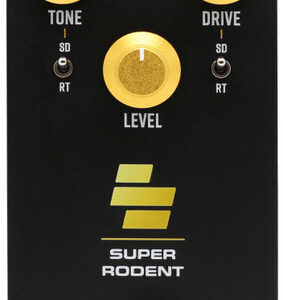
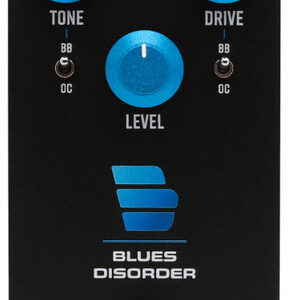
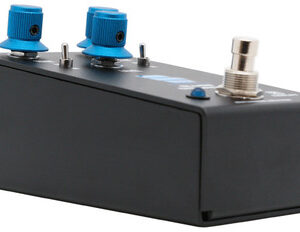
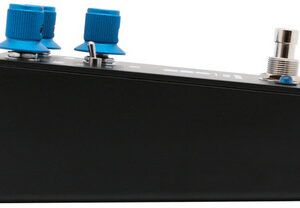
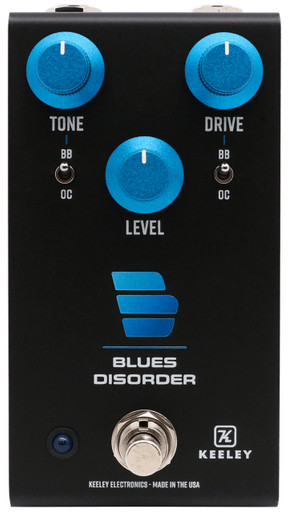
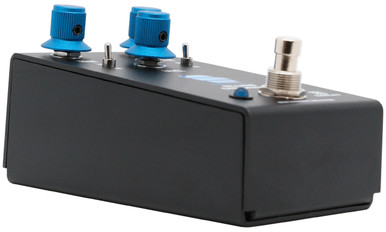
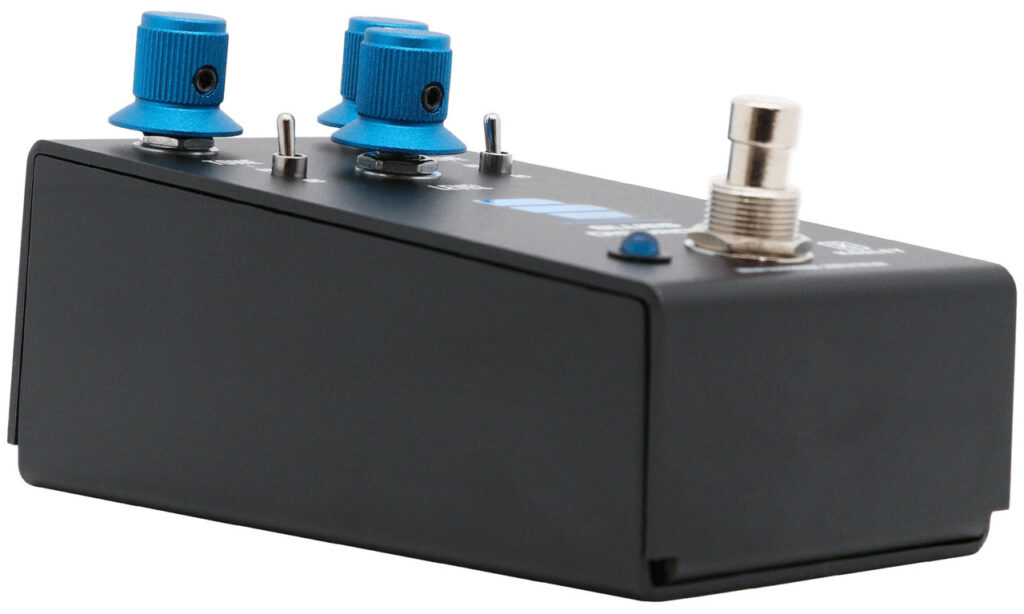
Combining two distinctive overdrive and distortion circuits, the Keeley Blue Disorder 4-in-1 Blues Breaker and OCD Style Overdrive and Distortion Pedal gives you the power of four different drives into one stompbox. Featuring two switches, the Blues Disorder allows you to separate tone control from the clipping section for some juicy, unique, and experimental bluesy goodness.

Key Features

  • 4-In-1 – Loaded with 4 classic distortion and overdrive tones, you can combine 2 swappable Tone circuits to create 1 hybrid and experimentally unique soundscape.
  • Hybrid Blues – Combine aggressive hard-clipping distortion and smooth overdriven soft-clipping tones, for a bluesy and golden sound.
  • Authentically Analogue – For those searching for the right tone, with an authentic sound, then look no further than the Blues Disorder that encapsulates it all.

Flavoursome Tone

By mixing and matching the Tone and Drive switches, you can create a hybrid between the two circuits. The BB circuit is a low-gain smooth, soft-clipping overdrive circuit. Whereas the OC Circuit produces a hard-clipping OC distortion, giving you the best of both worlds. This presents you with familiar and sought-after tones, whilst opening you up to new and exciting sonic realms.

Diode Clipping

Loaded with both styles of clipping, the Blue Disorder can be used to create hard clipping distortion tones or smooth overdrive BB-style sounds. You can produce more aggressive and sharp distortion when the OC switch is enabled, or you can capture a soft clipping when the BB switch is engaged, for a sweet, crystal-clear sound.

Specifications

  • Power: 9V DC PSU (Adapter Not Included)
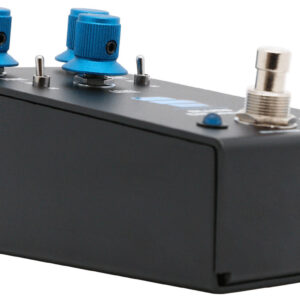
  • Controls: Tone Knob, Drive Knob, Level Knob, 2x OC/BB Switches
  • True/Buffered Bypass
  • Soft-Touch Switch

Related videos

Brand

Keeley Electronics

Keeley Electronics is a prominent American manufacturer of guitar effects pedals, founded in 2001 by Robert Keeley. The company has established a strong reputation in the boutique pedal industry through its focus on precision engineering and high-quality audio performance.

Keeley is renowned for its active and passive pedal designs, including iconic models like the Katana Blues Driver, the Compressor Plus, and the Delay Workstation. Keeley’s pedals are distinguished by their meticulous craftsmanship, innovative circuit designs, and reliability.

The company’s products often incorporate advanced features such as flexible EQ controls, analogue and digital hybrid processing, and extensive tone-shaping capabilities, making them favoured by both professional and amateur guitarists seeking exceptional sound quality and versatile performance.

Category

Overdrive Pedals

Overdrive uses soft or moderate clipping to add harmonics and compression while retaining more of the original note shape than heavy distortion. Some circuits emphasise the midrange and trim bass before clipping; others remain broad, transparent or amplifier-like. Gain, clipping arrangement, headroom and tone filtering decide whether it supplies a light edge, a saturated drive sound or extra push into another gain stage.

Tags

Analogue

The signal is shaped by continuously varying electronic circuitry rather than being converted into a digital effect algorithm. Component choice, operating voltage and circuit tolerances influence headroom, noise, clipping texture and the small variations in response between designs.

Distortion

Clips the waveform firmly and adds a dense series of harmonics with compression and sustain. The clipping devices, gain stages and tone filters determine whether the result is tight, smooth, mid-focused, scooped, grainy or deliberately abrasive.

Hybrid

Combines analogue and digital stages within one signal or control design. A digital section may provide memory, routing or modelling while analogue circuitry supplies clipping, filtering or amplification, so the order and blend of the two domains shape the final response.