
You can rely on Joyo-R-17 to make great Guitar Pedals. Check out the Joyo-R-17 R-17 DARK FLAME Distortion Pedal High Gain Metal Multiple Tones 3 Band on JustPedals now. JOYO-R-17 DARK FLAME Distortion Pedal, High Gain Metal Effect, Multiple Tones, 3 Band EQ Pedal for Guitar, Riff Solo
Joyo-R-17 R-17 DARK FLAME Distortion Pedal High Gain Metal Multiple Tones 3 Band
£49.19
The Joyo-R-17 R-17 DARK FLAME Distortion Pedal High Gain Metal Multiple Tones 3 Band is new on JustPedals, and instock direct. JOYO-R-17 DARK FLAME Distortion Pedal, High Gain Metal Effect, Multiple Tones, 3 Band EQ Pedal for Guitar, Riff Solo
As an affiliate partner, we may earn a small commission when you buy through our links — at no extra cost to you.
Category
Distortion Pedals
Distortion clips the waveform more firmly than overdrive, generating dense upper harmonics, longer sustain and a more compressed response. Circuit topology and filtering decide whether the sound is tight and focused, broad and aggressive, smooth or deliberately abrasive. Gain sets the amount of clipping, while pre- and post-distortion tone controls strongly influence low-end definition, midrange presence and high-frequency texture.
Guitar Pedals
Guitar pedals are compact devices placed in the signal path to change level, tone, dynamics, pitch, time, modulation or routing. This broad category includes simple analogue effects, digital processors, switching and utility products, so the most important differences are the circuit function and connection method. Check whether a model expects instrument or line level, how it is powered, whether it preserves bass or stereo information, and how its bypass behaves with the rest of the board.
Tags
Distortion
Clips the waveform firmly and adds a dense series of harmonics with compression and sustain. The clipping devices, gain stages and tone filters determine whether the result is tight, smooth, mid-focused, scooped, grainy or deliberately abrasive.
EQ
Raises or lowers defined frequency regions. Fixed-band graphic controls provide direct visual shaping, while parametric controls vary centre frequency and bandwidth; the available range and filter width determine whether the change is broad tonal balance or narrow corrective filtering.
Others Just Ordered :
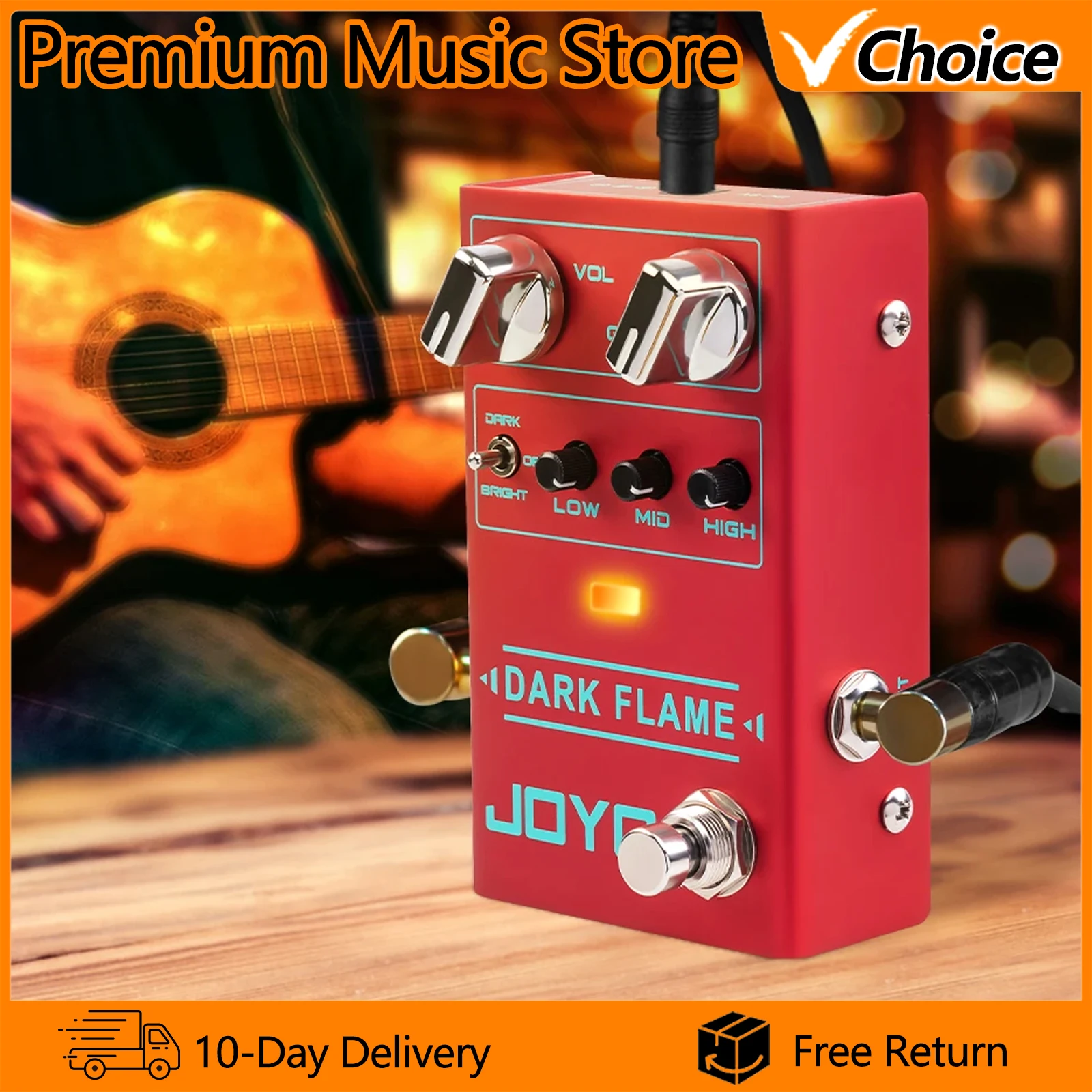 JOYO R-17 Dark Flame Modern Metal High Gain Distortion Effect Pedal 3 Band EQ Multiple Tones Effect Guitar Parts & Accessories
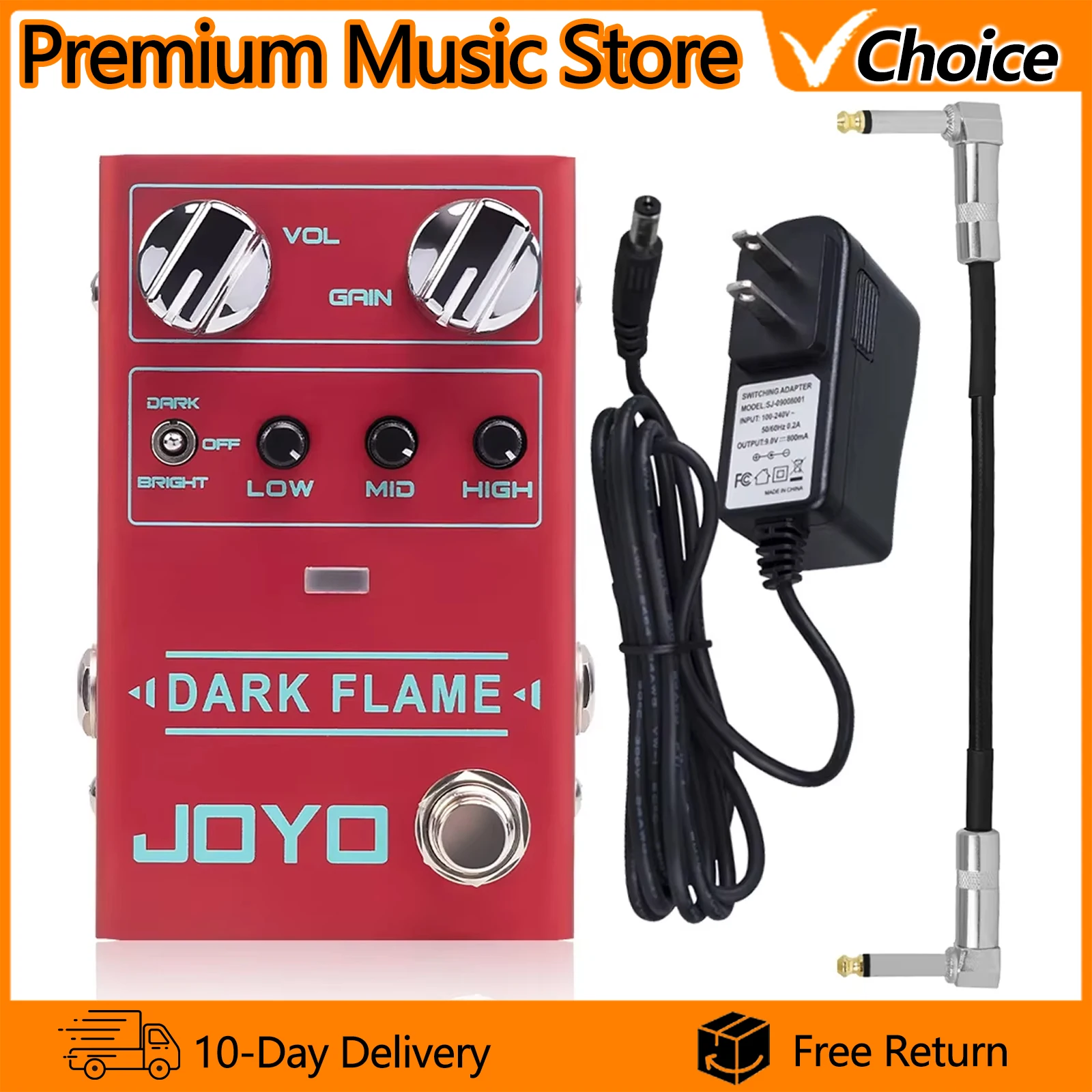 Joyo R-17 Pedal Dark Flame High Gain Distortion 3 Band EQ Metal Sound
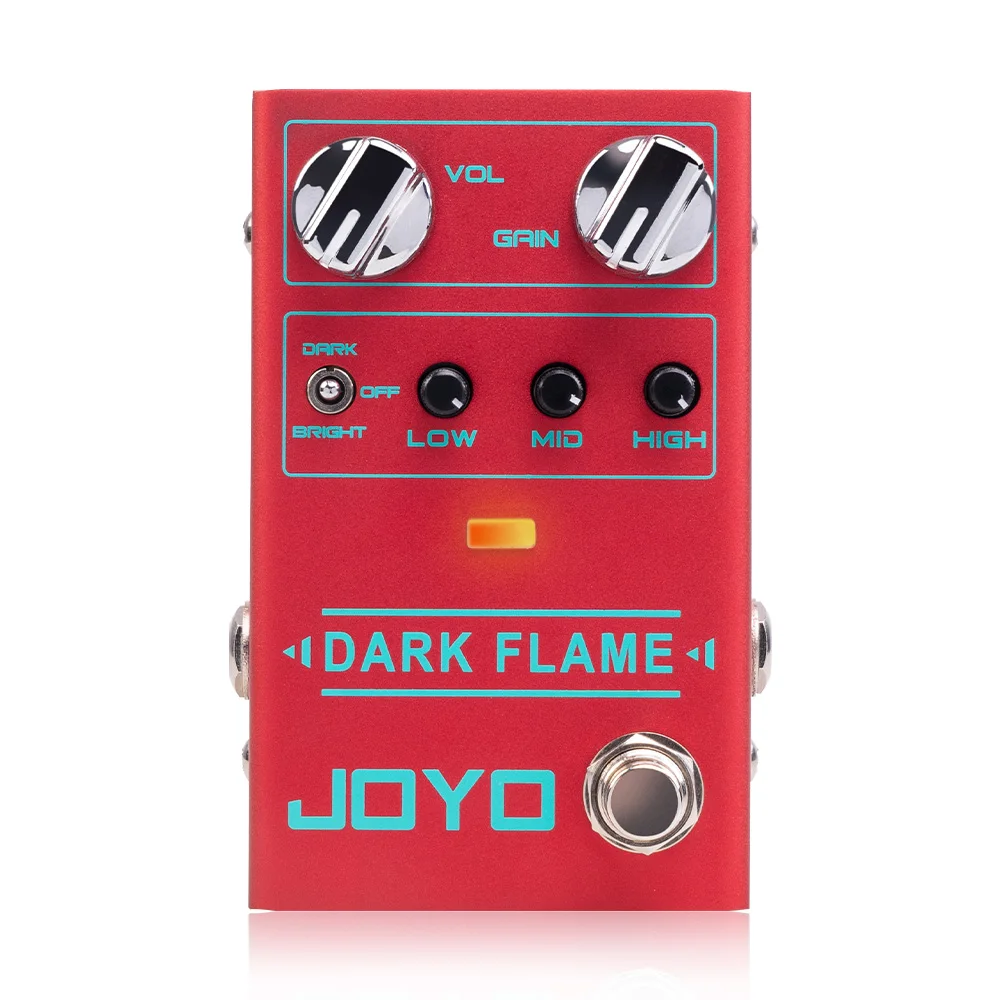 JOYO R-17 Dark Flame Modern Metal Distortion Pedal
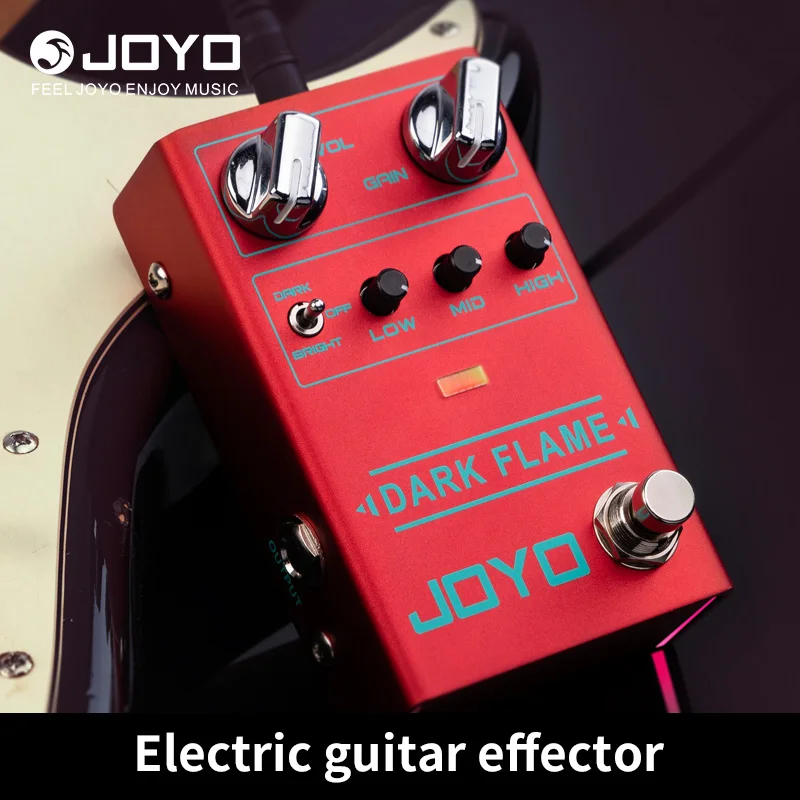 JOYO-R-17 DARK FLAME Distortion Pedal, High Gain Metal Effect, Multiple Tones, 3 Band EQ Pedal for Guitar, Riff Solo
- I Love A Happy Accident… – Animals Pedal

- Animals Pedal Vintage Van Driving is Very Fun Overdrive
- Animals Pedal Sunday Afternoon Is Infinity Bender
- Ninevolt Pedals | Bath Time Reverb (Animals Pedal)
- This Fuzz Pedal Makes No Sense… But It Sounds Incredible

- ANIME Pedals | Animals Pedal Custom Illustrated Series