
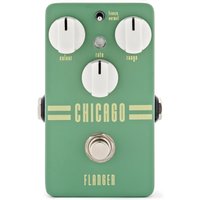
Channel the swirling textures of classic rock and early new wave with the Hartwood Chicago Flanger Pedal. Inspired by the genre-defining flanger sounds of the 70s and 80s it delivers everything from subtle movement to full-on jet-engine modulation. Flick into freeze mode to lock the sweep in place for droning synth-like textures or stay in normal mode for that unmistakable swoosh. With controls for Colour Rate and Range youve got full control over how deep fast and sharp your modulation feels. With a metal casing and standard 9V DC power connector the Chicago Flanger slots straight into your pedalboard; whether youre adding subtle shimmer to a clean riff or pushing a solo into psychedelic territory.
Hartwood Chicago Flanger Pedal
£29.99
This is a New Hartwood Chicago Flanger Pedal from Hartwood its found in our Flanger Pedals on the Just Pedals menu. Read More below.
View Just Hartwood
As an affiliate partner, we may earn a small commission when you buy through our links — at no extra cost to you.
Brand
Hartwood
In the current JustPedals catalogue, Hartwood is represented by Pedalboards, Chorus Pedals and Distortion Pedals. Current listings include Pedalboard Large, Pedalboard Small and Mini Tuner. That makes the range relevant to players looking for drive, gain and clipping, plus time-based effects and ambience. Check each model for its exact circuit or processing platform, controls, power requirements and connections, particularly where the catalogue includes both pedals and supporting gear.
Category
Flanger Pedals
Flanging mixes the dry signal with a very short delay whose time is continuously modulated. The paths reinforce and cancel at regularly spaced frequencies, producing a moving comb-filter sweep with a hollow, metallic or jet-like character. Rate and depth set the motion, while feedback sharpens the notches and can push the effect towards resonant, self-oscillating textures.
Others Just Ordered :
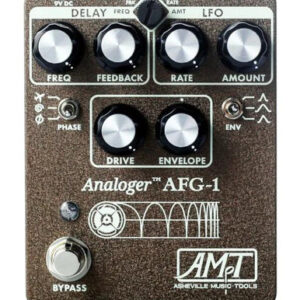
- I Love A Happy Accident… – Animals Pedal

- Animals Pedal Vintage Van Driving is Very Fun Overdrive
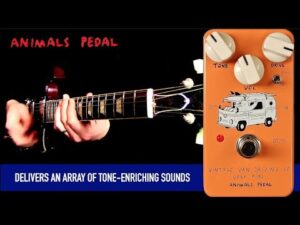
- Animals Pedal Sunday Afternoon Is Infinity Bender

- Ninevolt Pedals | Bath Time Reverb (Animals Pedal)
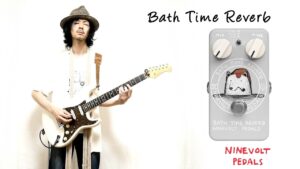
- This Fuzz Pedal Makes No Sense… But It Sounds Incredible

- ANIME Pedals | Animals Pedal Custom Illustrated Series