Tasty Pedals made by Fjord Fuzz
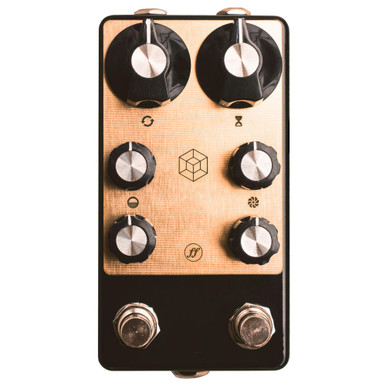
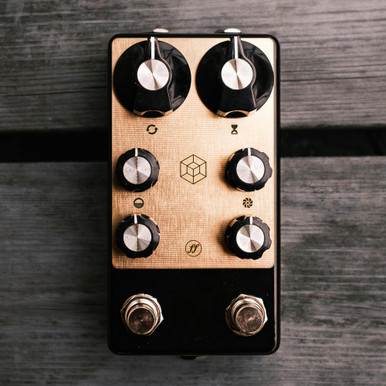
Fjord Fuzz hand-builds distinctive fuzz pedals in Norway, combining raw vintage energy with modern design and attention to detail. Each pedal is crafted with a minimalist aesthetic and a focus on touch sensitivity, producing rich, textured tones that respond dynamically to playing style and guitar volume. From classic saturated sustain to wild experimental sounds, Fjord Fuzz pedals capture the spirit of handmade artistry and individuality, built for players who like their tone to stand apart.
Just Pedal Ingredients.
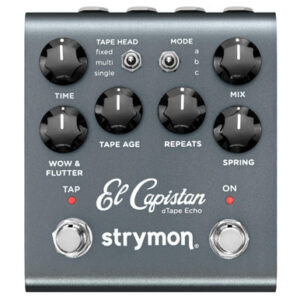
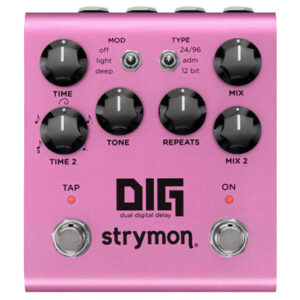
Delay — A delay pedal records your signal and plays it back after a set time, creating echoes that can range from tight, slapback repeats to long, atmospheric trails. It’s one of the most versatile effects, used to thicken tones, add rhythmic depth, or build spacious, ambient layers. Analogue delays offer warm, decaying repeats that blend naturally with your tone, while digital units provide pristine echoes with precise control over time, feedback, and mix levels.From classic rockabilly and tape-style echoes to modern looping and shimmer effects, delay pedals have become essential tools for shaping sound. They can make solos soar, rhythms pulse, or transform simple chord progressions into cinematic textures. Whether used subtly to add dimension or boldly to create soundscapes, a good delay pedal can completely redefine the feel and atmosphere of your music.. Expression — Expression pedals allow real-time control over specific parameters on compatible guitar pedals, such as volume, delay time, modulation depth, or filter sweep. Used with an expression input, they let players shape effects dynamically with their foot, adding movement and performance control that cannot be achieved with fixed knob settings.. Flanger — A flanger is a type of guitar effects pedal used to create a swirling, whooshing sound by modulating the phase of an audio signal. It works by combining the original signal with a slightly delayed and modulated version of itself. As the two signals interact, they create peaks and troughs in the frequency spectrum, resulting in the characteristic “jet plane” or “swooshing” sound associated with flanging.Key features of a flanger pedal include:1. **Rate**: Controls the speed at which the delayed signal is modulated. Higher rates produce faster modulation, while lower rates create slower, more subtle effects.2. **Depth**: Adjusts the intensity of the modulation effect. Higher depth settings result in more pronounced sweeps, while lower settings produce a gentler effect.3. **Manual (or Range)**: Sets the center frequency of the modulation. This control allows you to focus the effect on specific frequency ranges, altering the tonal character of the flanging.4. **Feedback (or Regeneration)**: Determines the amount of modulated signal that is fed back into the effect. Increasing feedback can create more pronounced peaks and troughs, resulting in a more intense effect.Flanger pedals are commonly used in various music genres, including rock, metal, and psychedelic music, to add movement, depth, and texture to guitar tones. They can be used subtly to add a touch of modulation and dimension to a guitar sound, or more prominently to create dramatic swirling effects. Overall, flanger pedals offer guitarists a versatile tool for shaping and enhancing their tone, adding a dynamic and expressive element to their playing.. Fuzz — A fuzz pedal is one of the earliest and most aggressive forms of distortion, turning your clean guitar signal into a thick, saturated wall of sound. It works by clipping the waveform almost flat, creating a compressed, gritty tone full of harmonic overtones. The result is raw, unruly, and unmistakable — from the sputtering breakup of vintage germanium circuits to the searing sustain of modern silicon designs. Fuzz pedals react strongly to your guitar’s volume and pickup choice, making them dynamic tools for expressive players.Whether you’re chasing the classic tones of Hendrix and the Smashing Pumpkins or exploring heavy, experimental textures, fuzz remains a favourite for its personality and unpredictability. It can sound smooth and sustaining, or wild and velcro-like, depending on how it’s set up. A good fuzz pedal cuts through the mix while adding thickness and attitude, turning any riff or lead line into something bold and unmistakably alive.. Guitar Pedals — Your pedal is like a signature dish for your sound — a flavour-packed creation that transforms the bland ingredients of your guitar into something unforgettable. Each one adds its own seasoning, texture, and heat, turning a simple meal into a feast of tone.These tasty little boxes sit in a row, like plates on a buffet, letting you mix and match flavours as you play. With one tap of your foot, you can swap sweet for spicy, subtle for smoky, and serve up something completely new. From the comfort food of warm overdrive to the fiery kick of fuzz, from smooth jazz sauce to heavy-metal spice, pedals give players a full menu of options to express their taste. And just like with food, once you’ve tried one dish, you’ll want to sample them all.Collecting, trading, and discovering new flavours soon becomes part of the joy of being a tone-loving gourmet geek with a guitar.. New — This is brand new, fresh in, and a UK warranty is included. New Gear always comes from trusted UK music retailers.. Octave — An octave pedal shifts your guitar signal up or down by one or more octaves, blending the altered pitch with your original sound to create a fuller, more complex tone. It can add a deep, bass-like layer underneath your playing or a shimmering high octave on top for lead lines and solos. Classic analogue octave pedals often produce slightly gritty, organic sounds, while modern digital versions track more precisely and can offer multiple octave ranges.Octave pedals are great for thickening single-note riffs, creating synth-style textures, or even mimicking bass parts when playing alone. They pair well with fuzz or overdrive pedals for massive, harmonically rich tones. Whether you’re after vintage Hendrix-style octave fuzz or a modern polyphonic sound that tracks chords cleanly, an octave pedal opens up a world of creative possibilities and adds real weight and character to your tone.. Overdrive — Like a golden layer of melted cheese — warm, gooey, and just put it all over. It adds just the right amount of richness and grit, turning a clean signal into something smooth and savoury. Designed to mimic the natural breakup of a tube amp pushed to its sweet spot, overdrive delivers the flavour of classic rock and blues in every bite. From creamy mid-gain warmth to crisp edge-of-breakup sparkle, it’s the comfort food of guitar tone — simple, satisfying, and endlessly versatile. Whether it’s a mild crunch or a full-bodied roar, overdrive is where good taste begins.. Pitch — Pitch pedals alter the frequency of your guitar signal, changing the perceived note or adding harmony. They can shift notes up or down by fixed intervals, create harmonies, or produce dive-bomb and whammy-style effects without a tremolo arm. Pitch shifters and harmonisers are great for thickening solos, simulating multiple guitars, or experimenting with creative, otherworldly sounds that expand your tonal range.. Reverb — A reverb pedal is like the rich sauce that ties every flavour on the plate into one smooth experience. It adds depth, warmth, and atmosphere — the sonic equivalent of a perfectly reduced glaze that lingers on the tongue. Whether you’re after the subtle ambience of a cosy café (spring or plate reverb) or the grand echoes of a cathedral (hall or shimmer reverb), this is where your tone breathes and expands. A touch of reverb can turn a dry sound into something lush and inviting — but pour on too much, and it’s all you can taste. Used with finesse, it’s the finishing touch that transforms your tone from plain to unforgettable.. Vibrato — Vibrato refers to a guitar pedal effect that modulates pitch slightly up and down, creating movement and a sense of wobble in the sound. Unlike tremolo, which changes volume, vibrato affects pitch only, producing anything from subtle shimmer to pronounced, warbling textures. It is often used to add character, depth, and vintage-style modulation to guitar tones..