Brand
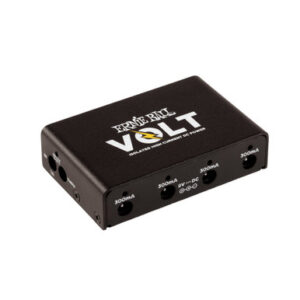
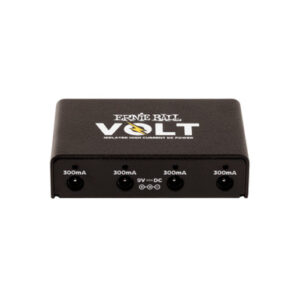
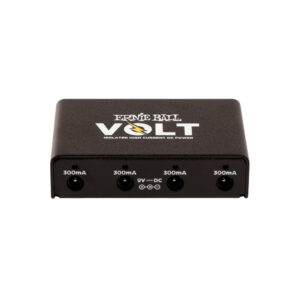
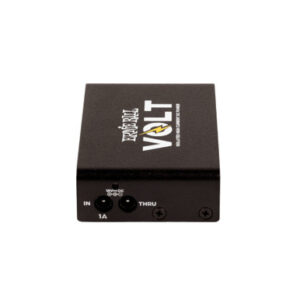
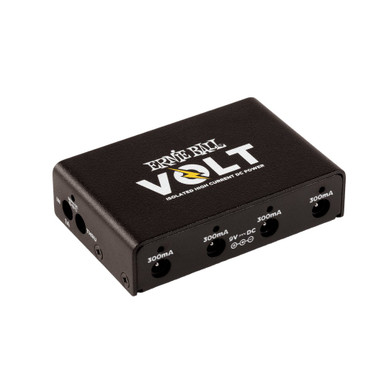
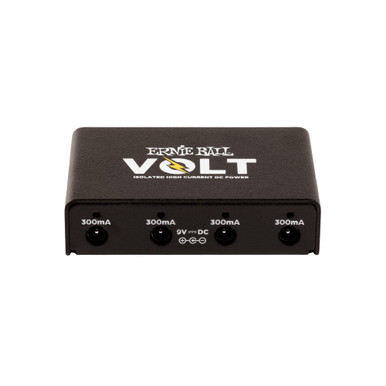
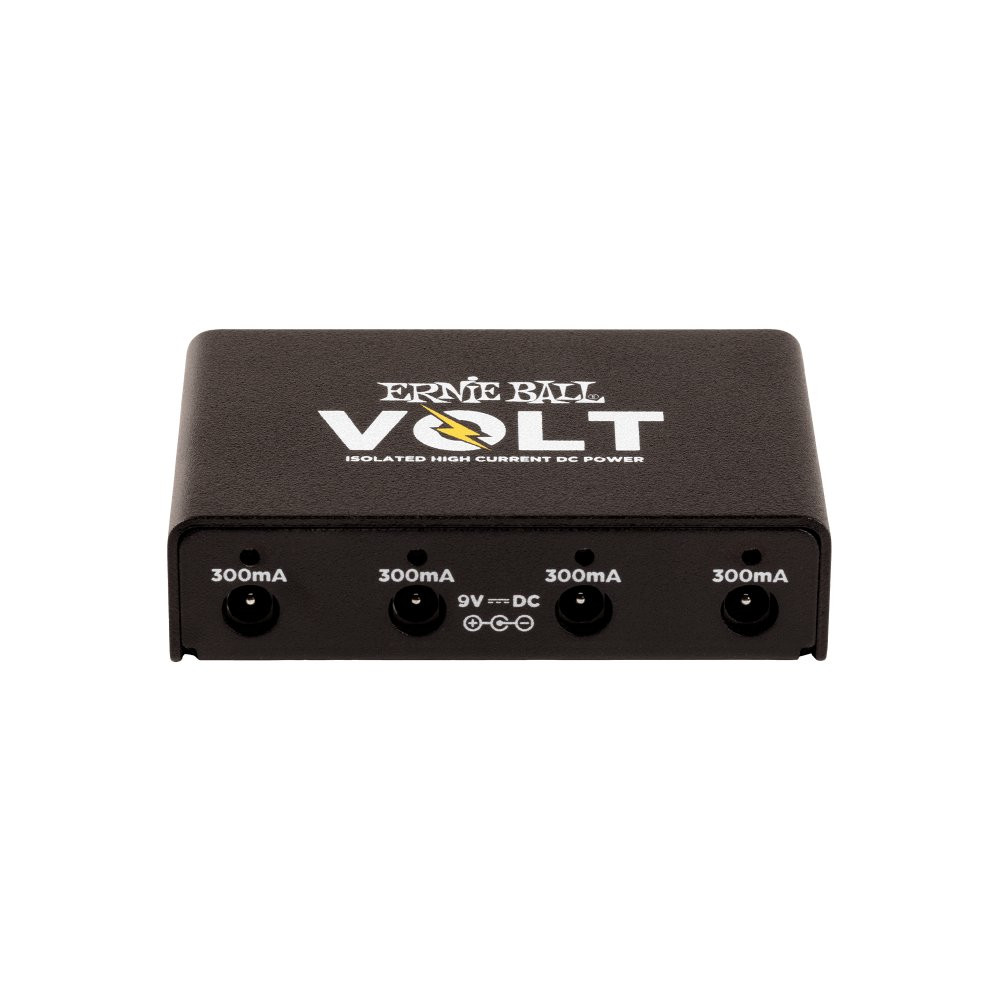
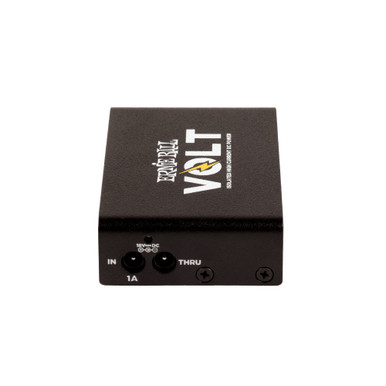
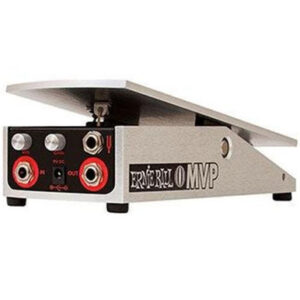
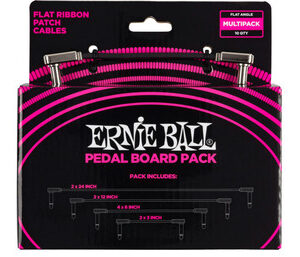
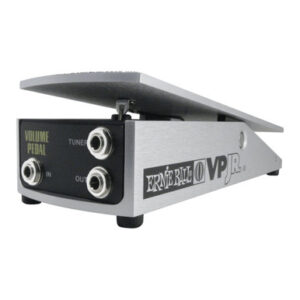
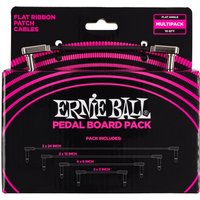
In the current JustPedals catalogue, Ernie Ball is represented by Volume Pedals, Pedalboards and Pedal Power Supplies. Current listings include 6180 VP JR Volume, Volt DC and Flat Ribbon Pedalboard Multi Pack. That makes the range relevant to players looking for pedalboard infrastructure and control. Check each model for its exact circuit or processing platform, controls, power requirements and connections, particularly where the catalogue includes both pedals and supporting gear.
Category
A pedal power supply converts mains or battery power into the regulated DC outputs required by an effects board. True isolated outputs break ground paths and reduce interaction between pedals, while daisy chains share a common supply. Each output must match voltage, polarity and current demand; switchable voltages, high-current sockets, IEC or external adapters and mounting dimensions affect compatibility.
Tags
The signal is shaped by continuously varying electronic circuitry rather than being converted into a digital effect algorithm. Component choice, operating voltage and circuit tolerances influence headroom, noise, clipping texture and the small variations in response between designs.
Converts the signal or control process into numerical data for algorithmic processing. Digital designs can provide precise timing, long memory, complex routing and repeatable presets; sample rate, conversion, internal resolution and latency influence fidelity and response.