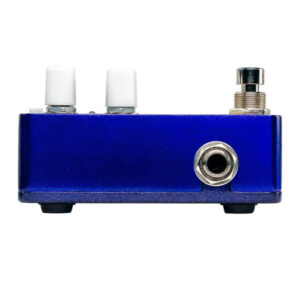
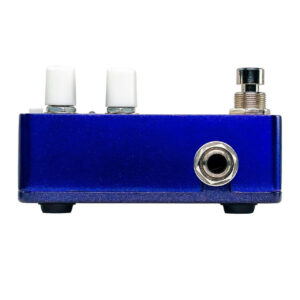
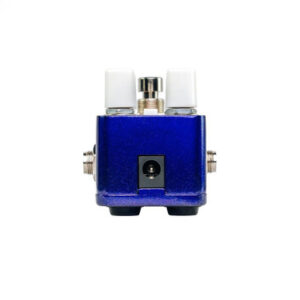
Electro Harmonix Pico Atomic Cluster Spectral Decomposer Pedal

£99.99

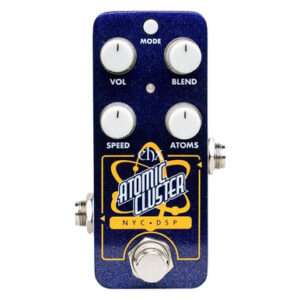
This is the Electro Harmonix Pico Atomic Cluster Spectral Decomposer Pedal from Electro Harmonix, listed in Specialist Effects Pedals on Just Pedals. Read More below.

View Just
more
and

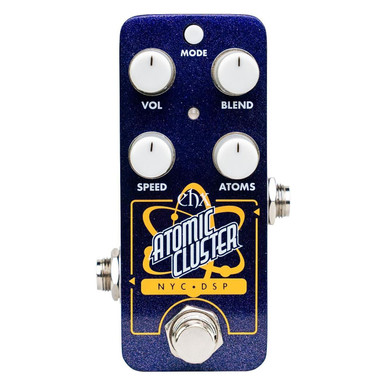
The Electro-Harmonix Atomic Cluster Spectral Decomposer is a pedal that’s unlike anything EHX has ever cooked up before! This mini glitch and synth machine takes your signal, tears it apart, and rebuilds it into a kaleidoscope of musical and downright quirky textures. Thanks to its clever algorithm, it reduces your instrument’s frequency resolution and transforms it into everything from lo-fi rhythmic glitches and auto-arpeggio tones to lush ambient synth pads.

Dial in your sonic chaos!

The Atomic Cluster gives you two main controls to shape the madness:

  • Atoms: Decides how many resonant oscillations are happening at once. Crank it up for a tone that’s closer to your original signal, or turn it down for pixelated, glitchy goodness.
  • Speed: Controls how fast those oscillations refresh. Slow settings give you rhythmic, step-filter vibes, while fast ones unleash unpredictable, random effects. You can even set Speed via tap tempo for perfect timing.

Extra Volume and Blend knobs let you tweak your output level and wet/dry mix. While the Mode button flips between Sharp (snappy, rhythmic transitions) and Smooth (lush, gradual fades) for two distinct flavours of otherworldly weirdness.

Key Features

  • Unique algorithm: Reduces the frequency resolution of your instrument, generating resonant oscillations directly related to your input signal.
  • Atoms control: Governs how many oscillations are produced at a given moment.
  • Speed knob: Sets how quickly the algorithm refreshes the oscillations it produces. This can also be controlled via tap-tempo.
  • Mode button: Toggles between Sharp and Smooth oscillation transition modes.
  • Included power supply: Run the pedal using your board’s PSU or rely on the power supply that comes with it. It’s up to you!

Specifications

  • Circuit: Digital
  • Bypass: Buffered
  • Audio: Mono
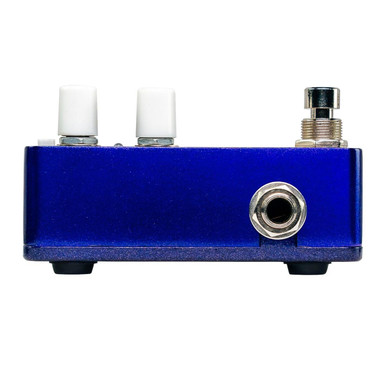
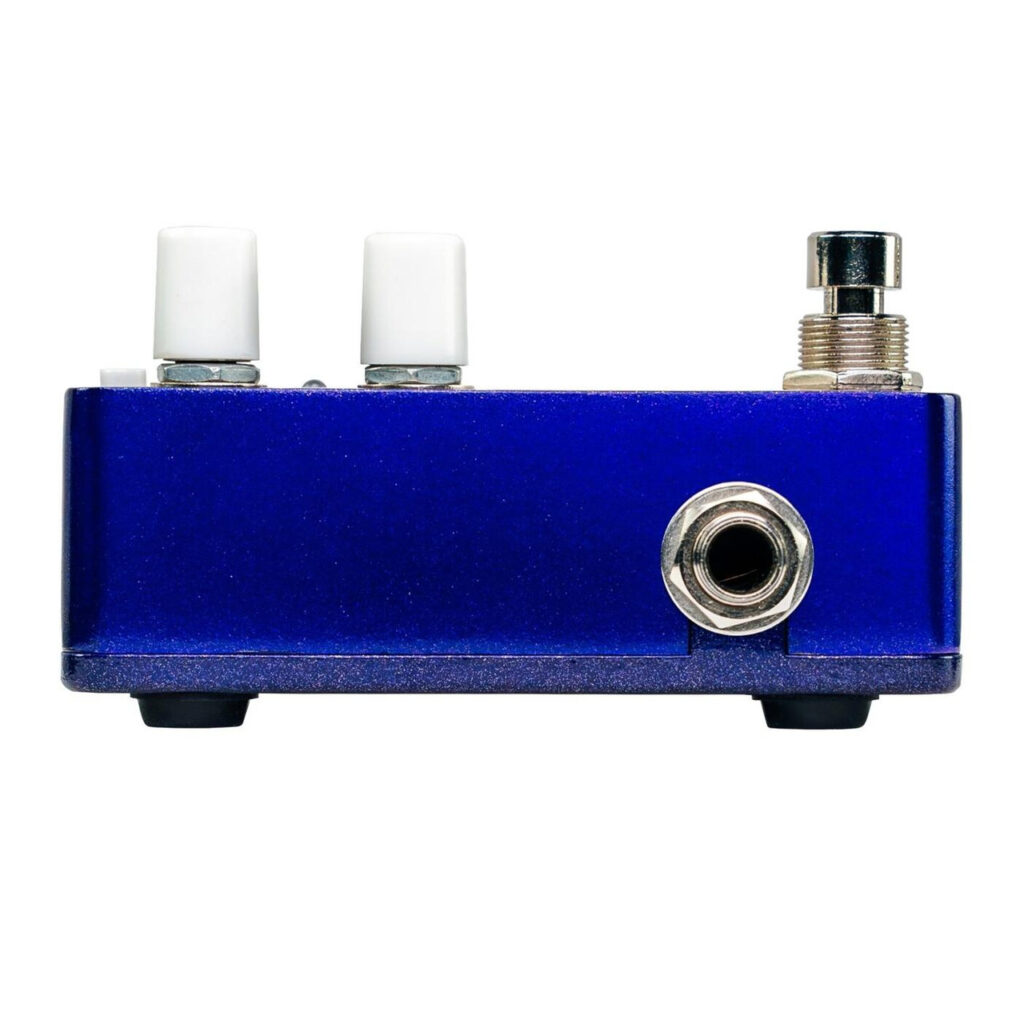
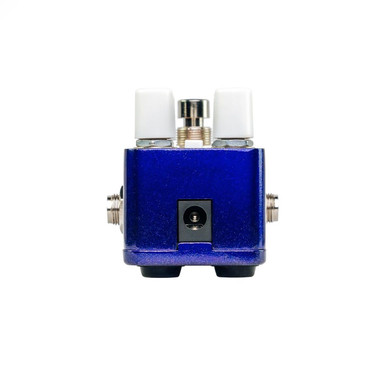
  • Power Supply: 9.6V DC, 200 mA power adapter (included)
  • Current Draw: 100mA
  • Dimensions: 3.65 x 2.0 x 2.0 inches

Related videos

Brand

Electro Harmonix

Electro-Harmonix (EHX) is a legendary manufacturer of guitar pedals and audio electronics, renowned for their distinctive sound and pioneering designs. Established in 1968 by Mike Matthews, EHX has played a significant role in shaping the landscape of effects pedals. The company’s pedals are celebrated for their innovative circuits and unique tones, earning them a dedicated following among musicians across genres. From classics like the Big Muff Pi fuzz to modern favorites like the POG octave generator, Electro-Harmonix pedals are known for their versatility and sonic character.

EHX’s product lineup spans a wide range of effects categories, including distortion, modulation, delay, and reverb, among others. Their pedals often feature intuitive controls and rugged construction, making them suitable for both stage and studio use. In addition to their iconic standalone pedals, Electro-Harmonix has also produced notable units such as the Memory Man delay/echo and the Holy Grail reverb, which have become staples in many guitarist’s rigs. With a legacy of innovation and a commitment to quality, Electro-Harmonix continues to be a leading force in the world of guitar effects, inspiring musicians to explore new sonic possibilities.

Category

Specialist Effects Pedals

Specialist effects alter the signal in ways that do not sit cleanly inside one established family. They may use granular processing, frequency shifting, resonators, freeze or sustain, bit reduction, ring modulation, feedback networks or combinations of several techniques. The relevant distinction is the underlying process, its tracking or latency, and how completely the dry signal can be blended or replaced.

Tags

Tap Tempo

Measures repeated foot taps and converts their interval into an effect rate or delay time. Subdivisions translate that pulse into dotted, triplet or other rhythmic values, while averaging and range limits influence how quickly and accurately the tempo settles.