Brand
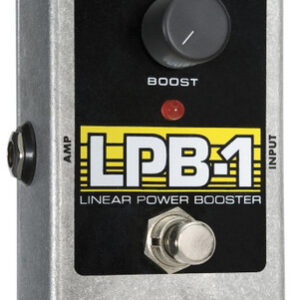
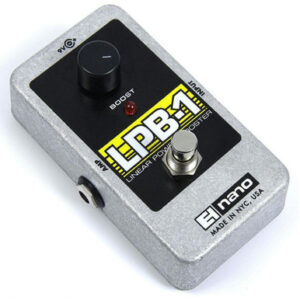
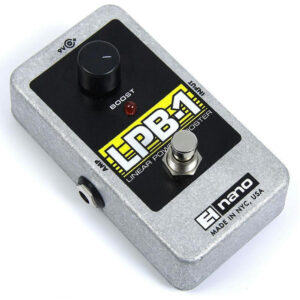
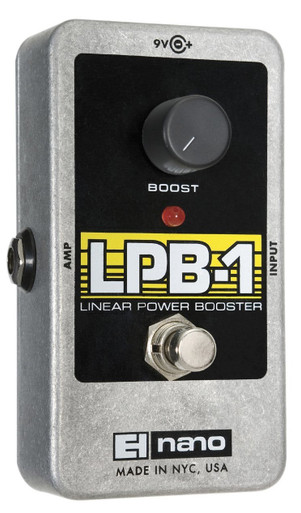
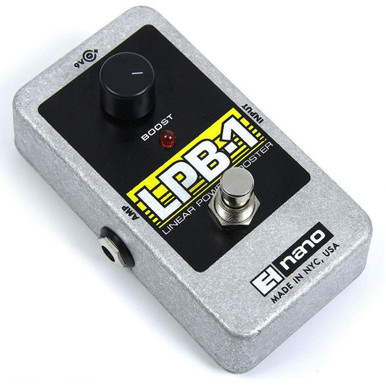
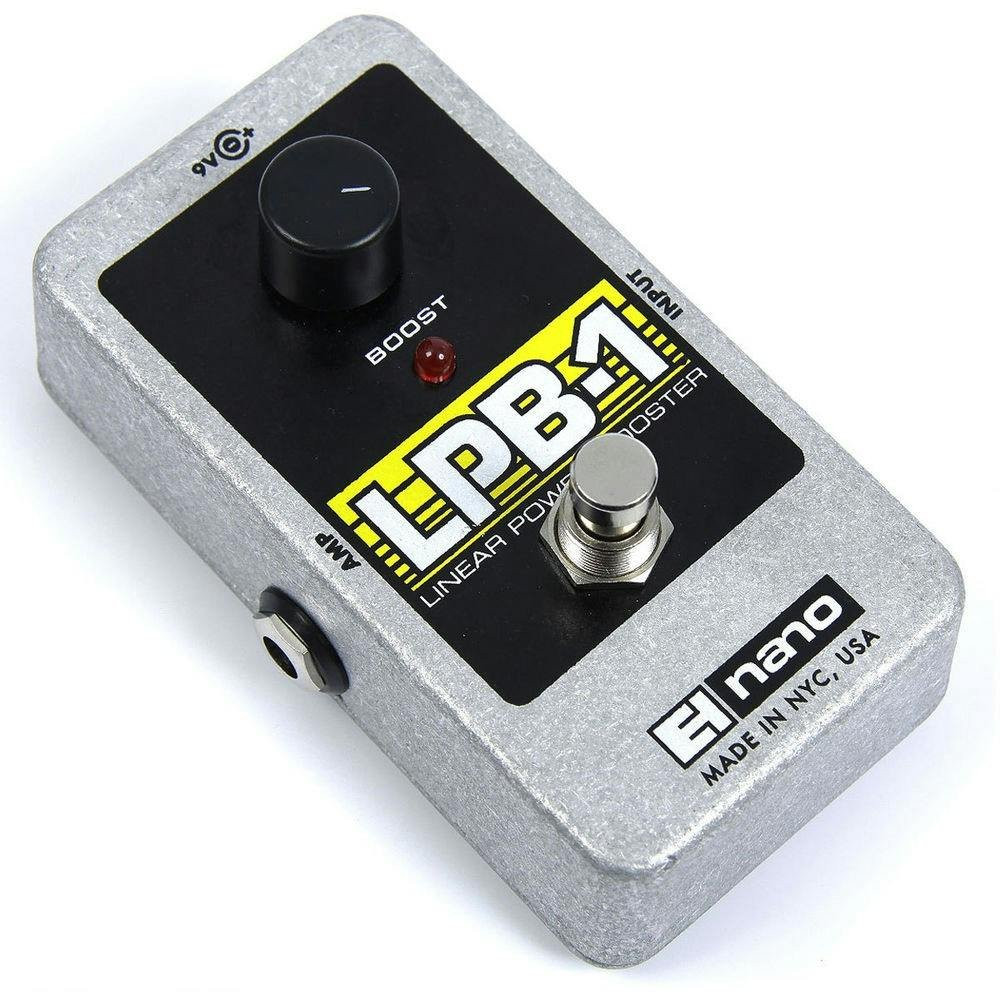
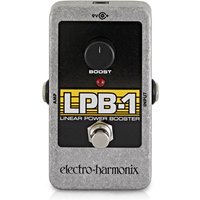
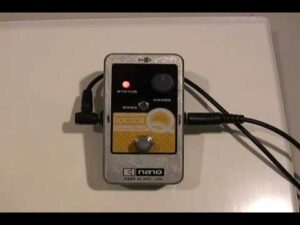
Founded by Mike Matthews in New York City in 1968, Electro-Harmonix became known for inventive effects that brought new sounds within reach of guitarists. Its first product was the LPB-1 Linear Power Booster; the company’s long-running catalogue ranges from fuzz and overdrive to delay, modulation, octave and experimental processing. JustPedals listings include the Small Clone chorus, Small Stone phaser, Memory Boy delay, POG 2 octave generator and Micro Q-Tron envelope filter. Check the exact version and power requirements when comparing EHX models, since familiar names often span different generations and formats.
Category
A boost raises signal level without deliberately creating a new effect waveform. Clean boosts emphasise level and headroom, while coloured boosts reshape bass, midrange or treble and may add mild clipping at higher settings. Placed before a gain stage, the extra level changes how that stage distorts; placed later, it can provide a volume lift if sufficient headroom remains.
Tags
Can operate from an internal replaceable battery, usually with different available current and running time from an external supply. Battery chemistry, access and automatic disconnection through the input socket affect practical runtime and storage. High-current digital processing generally shortens battery life more sharply than a simple analogue circuit.