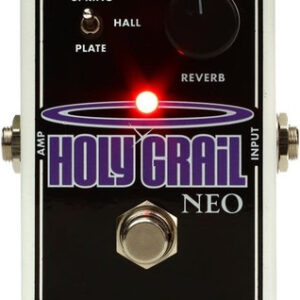
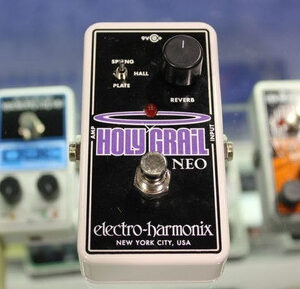
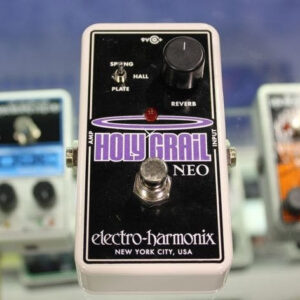
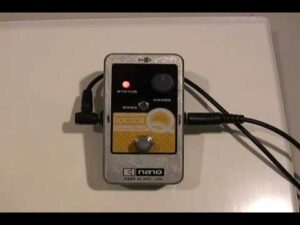
Electro Harmonix Holy Grail Neo Pedal

£99.99

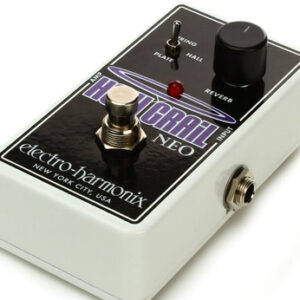
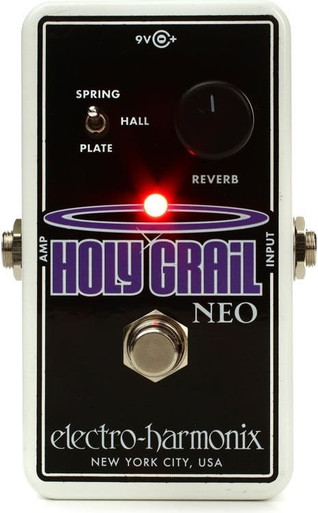
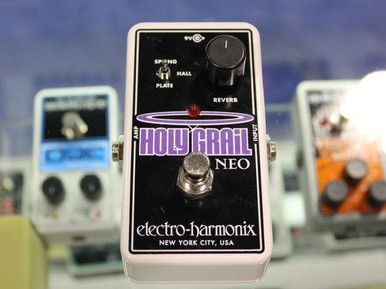
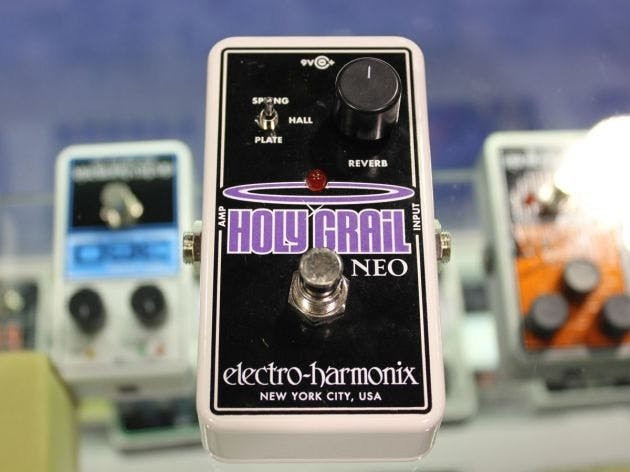
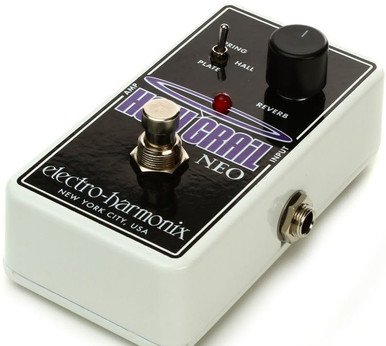
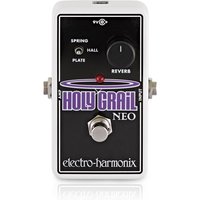
This is the Electro Harmonix Holy Grail Neo Pedal from Electro Harmonix, listed in Specialist Effects Pedals on Just Pedals. Read More below.

View Just
more

With the new Holy Grail Neo electro-harmonix took the original lush hall sound and great spring reverb of the Holy Grail and added studio-grade plate reverb from the Holy Grail max. This pedal is compact, sounds great and has plenty of character.

EHX pedals are built like tanks. Designed to stand up to the rigours of daily gigging you can rely on them gig after gig. This pedal comes with a power supply so you don’t have to rely on batteries on stage.

Related videos

Brand

Electro Harmonix

Electro-Harmonix (EHX) is a legendary manufacturer of guitar pedals and audio electronics, renowned for their distinctive sound and pioneering designs. Established in 1968 by Mike Matthews, EHX has played a significant role in shaping the landscape of effects pedals. The company’s pedals are celebrated for their innovative circuits and unique tones, earning them a dedicated following among musicians across genres. From classics like the Big Muff Pi fuzz to modern favorites like the POG octave generator, Electro-Harmonix pedals are known for their versatility and sonic character.

EHX’s product lineup spans a wide range of effects categories, including distortion, modulation, delay, and reverb, among others. Their pedals often feature intuitive controls and rugged construction, making them suitable for both stage and studio use. In addition to their iconic standalone pedals, Electro-Harmonix has also produced notable units such as the Memory Man delay/echo and the Holy Grail reverb, which have become staples in many guitarist’s rigs. With a legacy of innovation and a commitment to quality, Electro-Harmonix continues to be a leading force in the world of guitar effects, inspiring musicians to explore new sonic possibilities.

Category

Specialist Effects Pedals

Specialist effects alter the signal in ways that do not sit cleanly inside one established family. They may use granular processing, frequency shifting, resonators, freeze or sustain, bit reduction, ring modulation, feedback networks or combinations of several techniques. The relevant distinction is the underlying process, its tracking or latency, and how completely the dry signal can be blended or replaced.