
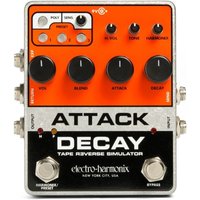
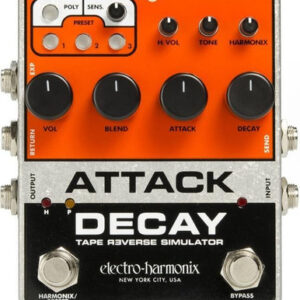
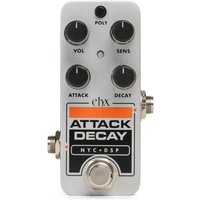
Your sound – redefined. The Electro Harmonix Attack Decay Tape Reverse Simulator will bring a wealth of unique one-of-a-kind features into your playing. Based on EHXs first Attack Decay from 1980 (a model that routinely sells for over a thousand dollars) this new version brings the originals iconic sound into a unit that offers more controls and greater usability.Quite simply your music will never be the same again. Because one minute you can enjoy distinctive volume swells in your playing and reverse effects typical of a tape reverse. Then the next youll be making your guitar sound like a violin or playing abrupt staccato notes with the decay dial turned down. And a poly envelope filter will let you add effects to each individual note. A revelation.
Electro Harmonix Attack Decay Tape Reverse Simulator
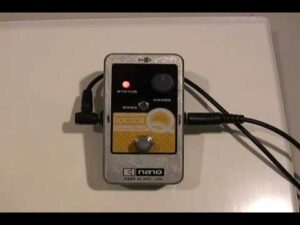
This is a New Electro Harmonix Attack Decay Tape Reverse Simulator from Electro Harmonix its found in our Specialist Effects Pedals on the Just Pedals menu. Read More below.
As an affiliate partner, we may earn a small commission when you buy through our links — at no extra cost to you.
Related videos

Brand
Electro Harmonix
Founded by Mike Matthews in New York City in 1968, Electro-Harmonix became known for inventive effects that brought new sounds within reach of guitarists. Its first product was the LPB-1 Linear Power Booster; the company’s long-running catalogue ranges from fuzz and overdrive to delay, modulation, octave and experimental processing. JustPedals listings include the Small Clone chorus, Small Stone phaser, Memory Boy delay, POG 2 octave generator and Micro Q-Tron envelope filter. Check the exact version and power requirements when comparing EHX models, since familiar names often span different generations and formats.
Category
Specialist Effects Pedals
Specialist effects alter the signal in ways that do not sit cleanly inside one established family. They may use granular processing, frequency shifting, resonators, freeze or sustain, bit reduction, ring modulation, feedback networks or combinations of several techniques. The relevant distinction is the underlying process, its tracking or latency, and how completely the dry signal can be blended or replaced.
Others Just Ordered :
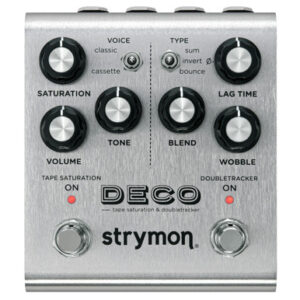
- I Love A Happy Accident… – Animals Pedal

- Animals Pedal Vintage Van Driving is Very Fun Overdrive
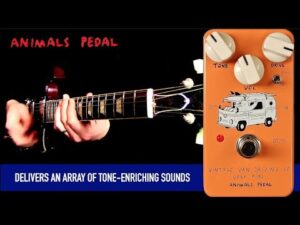
- Animals Pedal Sunday Afternoon Is Infinity Bender

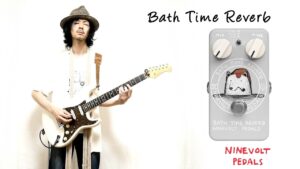
- Ninevolt Pedals | Bath Time Reverb (Animals Pedal)
- This Fuzz Pedal Makes No Sense… But It Sounds Incredible

- ANIME Pedals | Animals Pedal Custom Illustrated Series