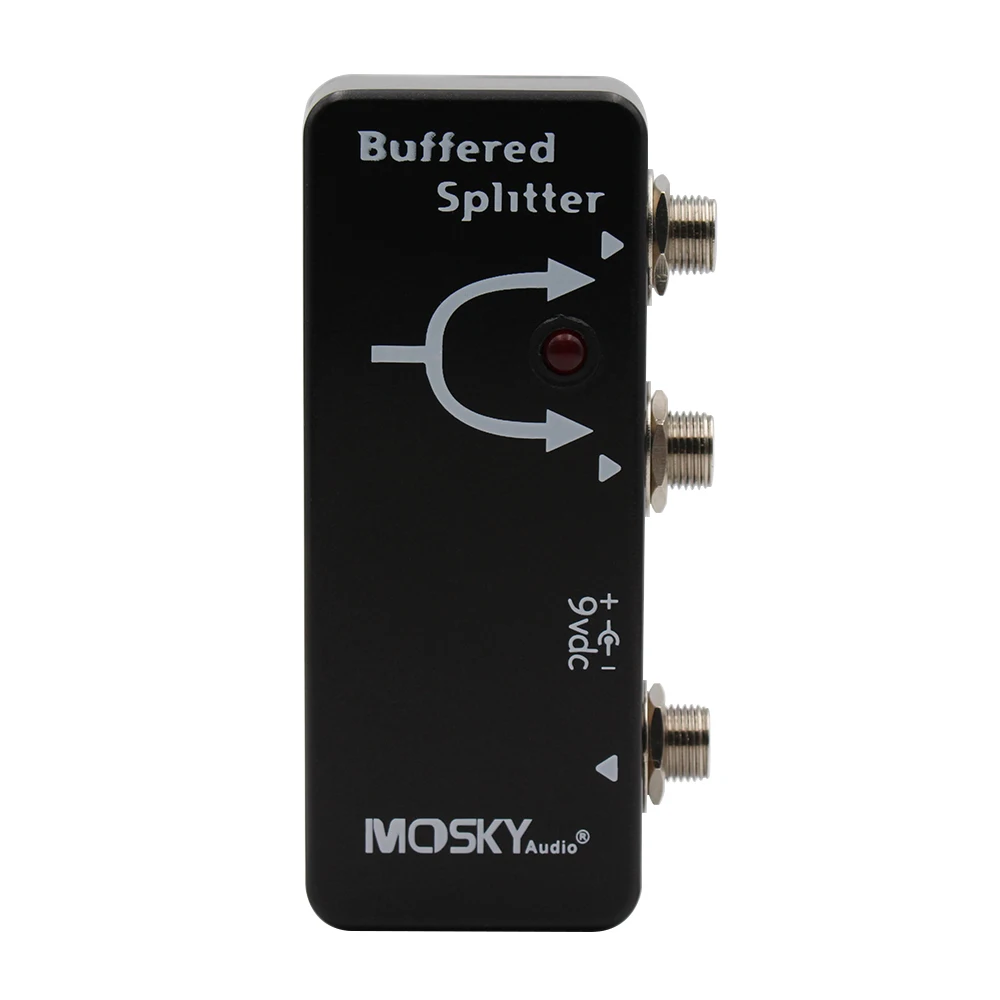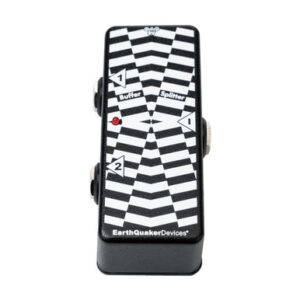
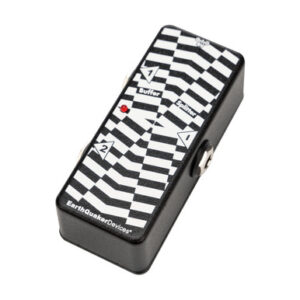
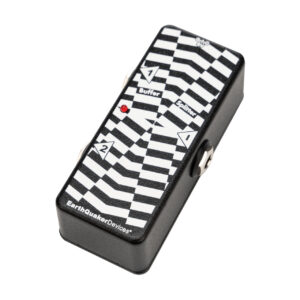
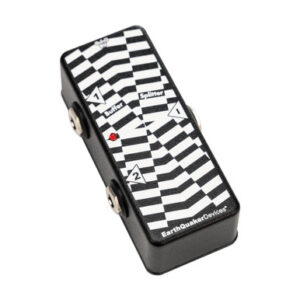
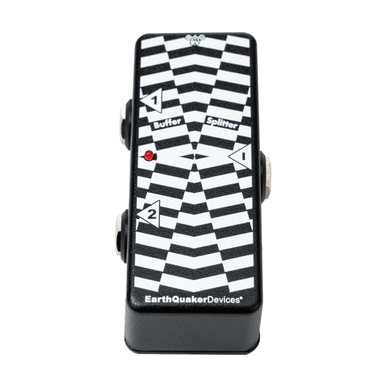
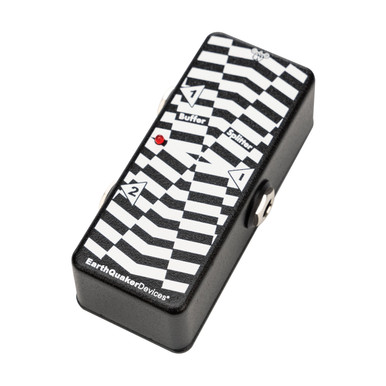
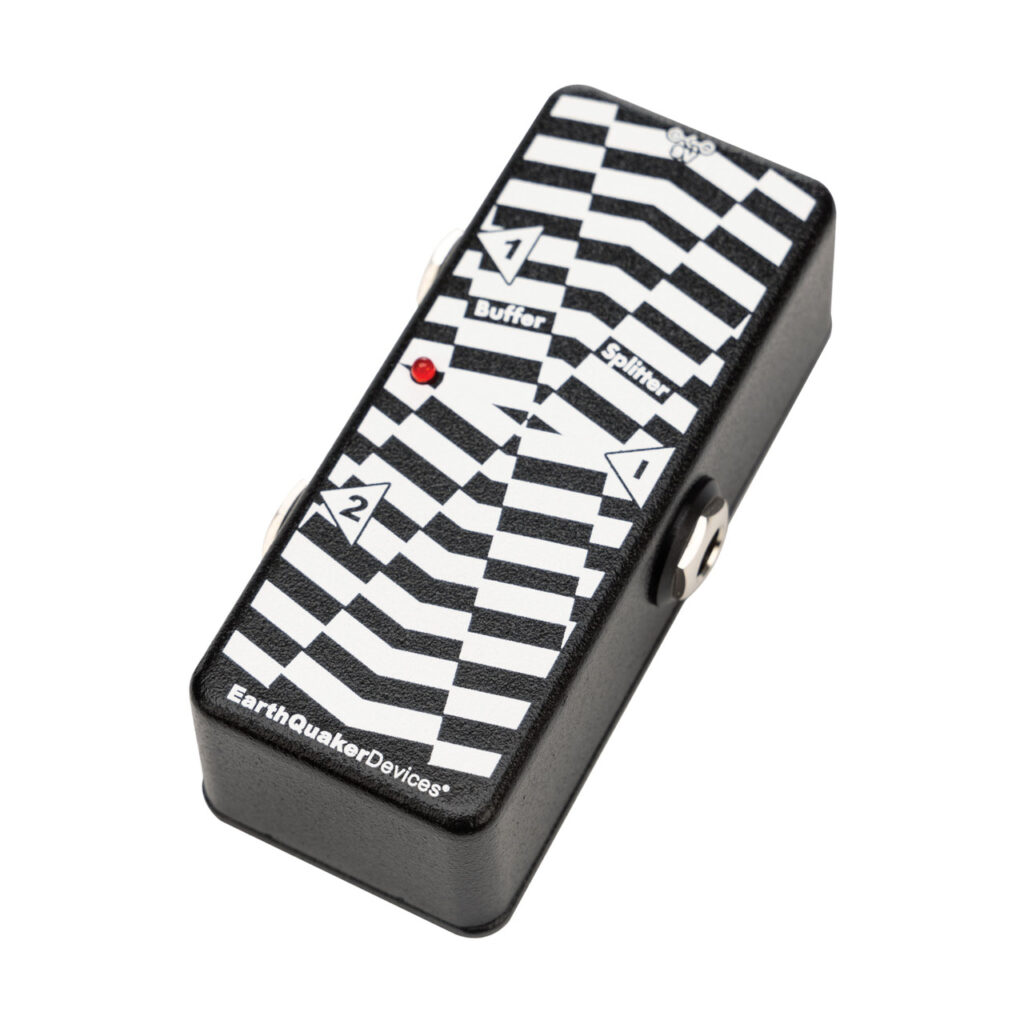
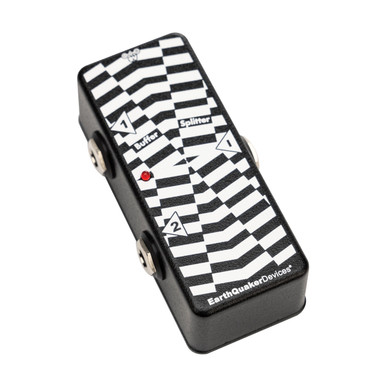
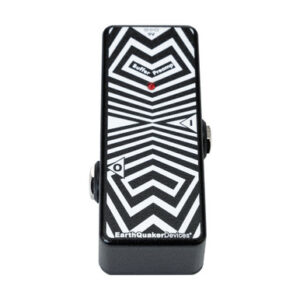
Earthquaker Devices Buffer/Splitter Utility Pedal

£99.99

This is a New Earthquaker Devices Buffer/Splitter Utility Pedal from EarthQuaker Devices is in our Utility Pedals category on Just Pedals. Read More below.

View Just
more
and ,

Here’s what Earthquaker Devices say about the Buffer/Splitter Utility Pedal:

A buffer is an important tool to combat tone loss with long cable runs or in signal chains running lots of true bypass pedals.

The EarthQuaker Devices Buffer/Splitter uses the same great high 1 M ohm input impedance and low 100 ohm output impedance found in our Buffer/Preamp to restore your tonal integrity. This buffer is designed to both maintain high end and give your low end a subtle, yet powerful, little kick for some added dimension!

What’s better than a single output buffer? A dual output buffer, that’s what! Use the EarthQuaker Devices Buffer/Splitter to split your signal into two and send them anywhere you like! Two amps! Turn a mono signal into a stereo signal! Send one output to your effects and use the other as a dry-through! Remove your tuner from the signal path… you get the idea!

Key Features

  • Dual Output Buffer Pedal
  • Restores signal loss due to long cable runs
  • Splits original signal into two buffered outputs
  • 1 M Ω Input and 100 Ω Output Impedance
 

Related videos

Brand

EarthQuaker Devices

Musician Jamie Stillman founded EarthQuaker Devices in 2004 after moving from pedal repair into circuit design. The first full-production release was the Hoof fuzz in 2007. The company develops its pedals in-house in Akron, Ohio, where it hand-builds and hand-tests them and backs them with a lifetime guarantee. Current JustPedals examples show the range’s practical and exploratory sides: Ghost Echo reverb, Data Corrupter harmonizer, Avalanche Run delay and reverb, and Rainbow Machine pitch shifting. EarthQuaker’s own design philosophy pairs usable controls with sounds that can move well beyond conventional effects.

Category

Utility Pedals

Utility pedals solve signal-path tasks rather than imposing one recognisable effect. Buffers restore level and high-frequency response lost through cable capacitance, selectors route between instruments or amplifiers, summing boxes combine paths, and isolators interrupt hum-producing ground loops. Impedance, phase, transformer isolation, active or passive circuitry and switching method determine whether the routing remains quiet and transparent.

Tags

Stereo

Processes, creates or passes two audio channels. True stereo preserves separate left and right inputs, while mono-to-stereo effects generate spatial differences internally; routing, phase behaviour and whether trails remain stereo determine the resulting image. Some outputs sum to mono when only one socket is connected, which can change level or modulation depth.

True Bypass

Connects input directly to output through mechanical or relay switching when the effect is off, removing the active circuit from the audio path. It avoids buffer colour but leaves cable capacitance and switching design to influence high-frequency loss and possible switching noise.