
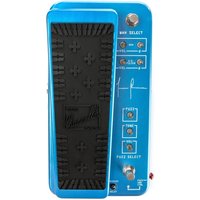
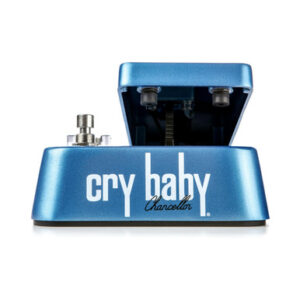
The Dunlop JCT95 Justin Chancellor Wah Pedal combines three impressive effects into a single pedal. It effortlessly combines the fluid expressiveness of a midrange filter the bite of a custom wah circuit and the delight of a vintage fuzz to culminate in a pedal that provides an incredible number of sonic options. At the forefront of bass effects Justin Chancellor utilises all these effects to add multiple layers to his sound and the Cry Baby Wah features his favourite ways to do that.
Dunlop JCT95 Justin Chancellor Wah Pedal
£331.15
This is a New Dunlop JCT95 Justin Chancellor Wah Pedal from Dunlop is in our Wah & Filter Pedals category on Just Pedals. Read More below.
View Just Dunlop
As an affiliate partner, we may earn a small commission when you buy through our links — at no extra cost to you.
Related videos
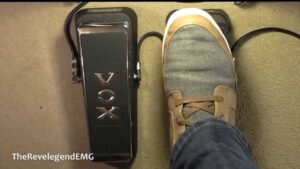
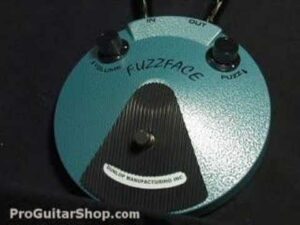
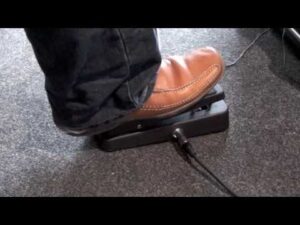
Brand
Dunlop
In the current JustPedals catalogue, Dunlop is represented by Wah & Filter Pedals, Fuzz Pedals and Delay Pedals. Current listings include DVP4 Volume X Mini, CryBaby Wah-Wah 95Q and JD4S Rotovibe. That makes the range relevant to players looking for drive, gain and clipping, plus time-based effects and ambience. Check each model for its exact circuit or processing platform, controls, power requirements and connections, particularly where the catalogue includes both pedals and supporting gear.
Category
Wah & Filter Pedals
Wah effects sweep a resonant band-pass or related filter through the frequency spectrum, creating the vowel-like movement associated with the treadle. Envelope filters move automatically in response to picking level, while fixed and sequenced filters use other control sources. Sweep range, resonance, direction, sensitivity and input loading determine whether the response is vocal, percussive, smooth or sharply synthetic.
Tags
Bass
Voiced or equipped to retain low-frequency fundamentals and the higher headroom of a bass signal. Clean blends, crossovers and bass-specific filter ranges can preserve weight and articulation while the effected portion adds harmonics, movement or ambience.
Others Just Ordered :
- I Love A Happy Accident… – Animals Pedal

- Animals Pedal Vintage Van Driving is Very Fun Overdrive

- Animals Pedal Sunday Afternoon Is Infinity Bender

- Ninevolt Pedals | Bath Time Reverb (Animals Pedal)

- This Fuzz Pedal Makes No Sense… But It Sounds Incredible

- ANIME Pedals | Animals Pedal Custom Illustrated Series
