Brand
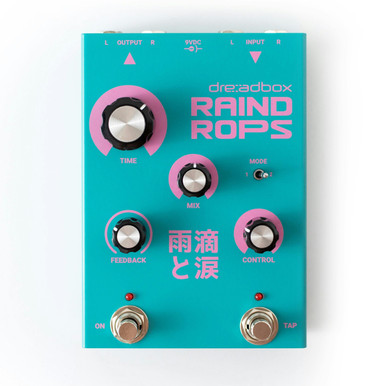
Dreadbox is a brand known for its innovative effects pedals, combining traditional guitar pedal designs with creative, synth-oriented features. Based in Athens, Greece, Dreadbox originally made its name with analogue synths and Eurorack modules, but its foray into pedals has further established it as a unique player in the music technology space. Their pedals, like the *Lethargy* phaser and *Kinematic* compressor/envelope filter, offer a mix of classic effects and experimental options, appealing to both guitarists and synth enthusiasts.
The *Lethargy* pedal features an 8-stage phaser with an LFO and a manual knob for real-time sound manipulation, while the *Kinematic* is a dual-function pedal that can toggle between a compressor and envelope filter. Both pedals integrate patchable modulation options that are compatible with Eurorack systems, allowing for greater creativity. Dreadbox’s pedals are known for their high build quality and distinct design, making them a go-to for musicians looking to expand their sonic palette.
Category
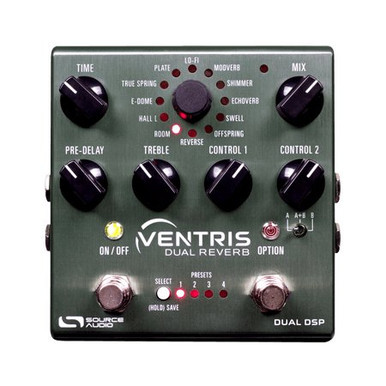
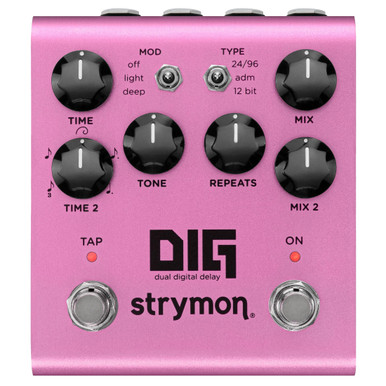
Delay and reverb are combined here because both create a sense of time and space but do so differently. Delay produces distinct repeats; reverb builds a dense field of reflections around the note. Dual-effect designs may run the sections in series or parallel, synchronise them to tempo and allow separate routing, so the interaction can range from a short room with a single echo to long, evolving ambient trails.
Tags
The signal is shaped by continuously varying electronic circuitry rather than being converted into a digital effect algorithm. Component choice, operating voltage and circuit tolerances influence headroom, noise, clipping texture and the small variations in response between designs.
Converts the signal or control process into numerical data for algorithmic processing. Digital designs can provide precise timing, long memory, complex routing and repeatable presets; sample rate, conversion, internal resolution and latency influence fidelity and response.
Combines analogue and digital stages within one signal or control design. A digital section may provide memory, routing or modelling while analogue circuitry supplies clipping, filtering or amplification, so the order and blend of the two domains shape the final response.
Processes, creates or passes two audio channels. True stereo preserves separate left and right inputs, while mono-to-stereo effects generate spatial differences internally; routing, phase behaviour and whether trails remain stereo determine the resulting image. Some outputs sum to mono when only one socket is connected, which can change level or modulation depth.
Measures repeated foot taps and converts their interval into an effect rate or delay time. Subdivisions translate that pulse into dotted, triplet or other rhythmic values, while averaging and range limits influence how quickly and accurately the tempo settles.