

Brand
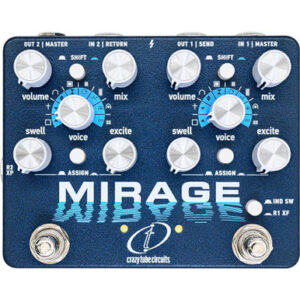
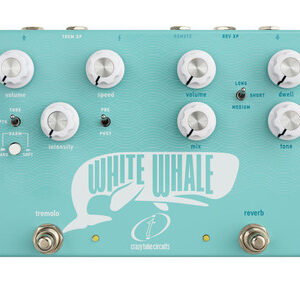
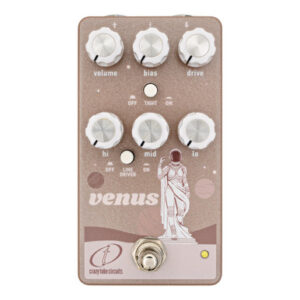
Crazy Tube Circuits is a boutique pedal manufacturer based in Athens, Greece, known for its handcrafted effects pedals designed to deliver classic and modern tones with a unique twist. Founded by Christos Ntaifotis in 2009, Crazy Tube Circuits has gained recognition for its commitment to quality, innovation, and attention to detail.
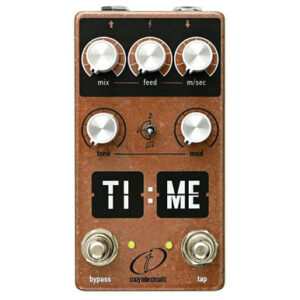
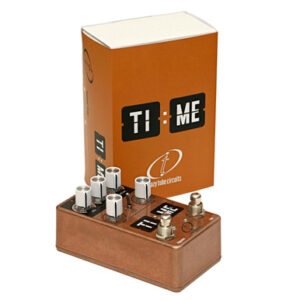
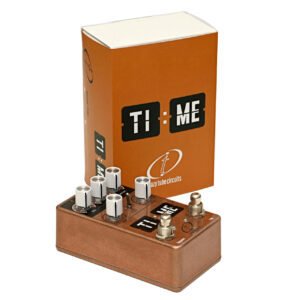
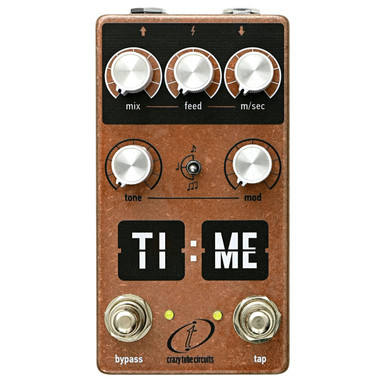
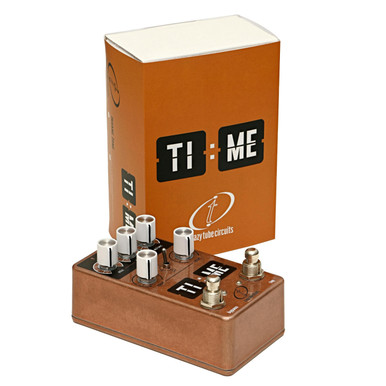
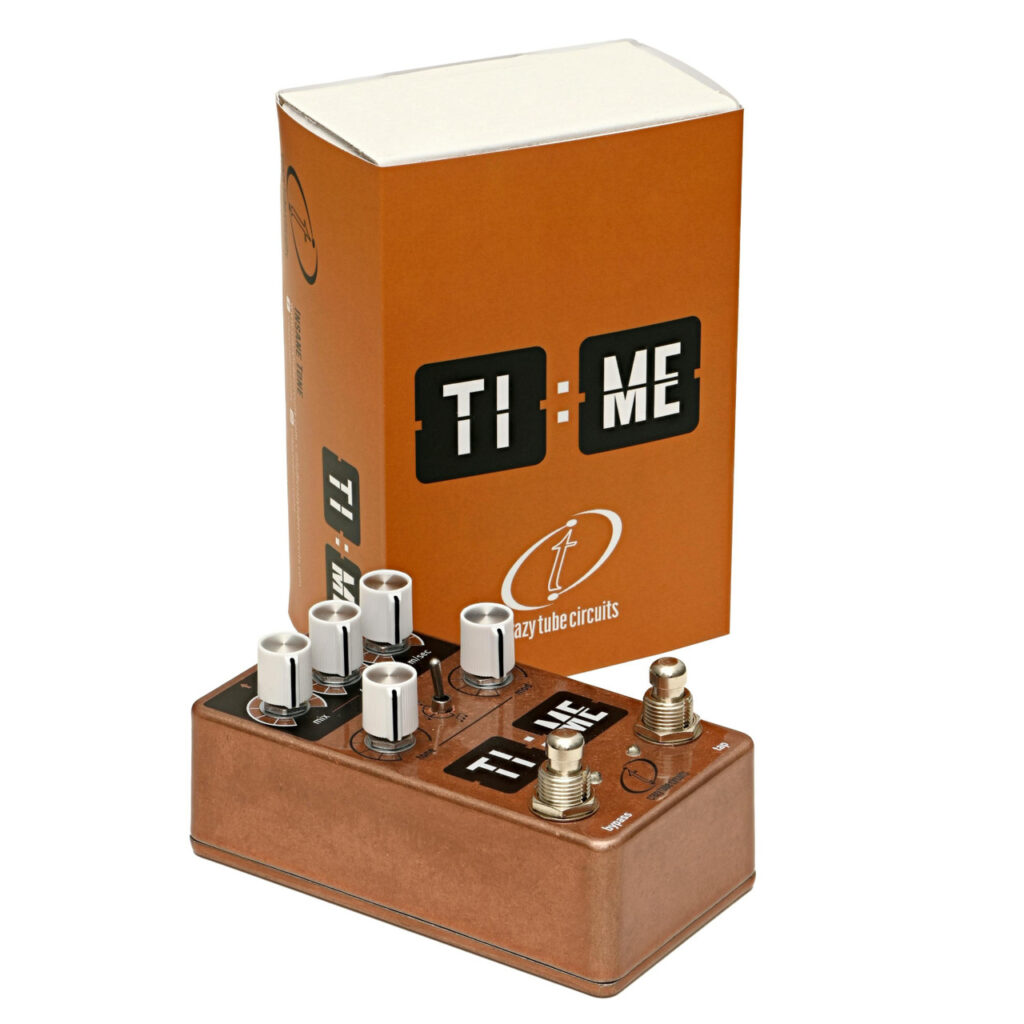
One of Crazy Tube Circuits’ standout pedals is the Time Delay, a tape echo-inspired delay pedal that offers warm, vintage-style delay tones with modern features and flexibility. The Time Delay pedal includes controls for delay time, feedback, and modulation, allowing musicians to dial in a wide range of delay effects, from subtle ambiance to lush, modulated repeats.
In addition to the Time Delay, Crazy Tube Circuits offers a variety of other effects pedals, including overdrive, distortion, fuzz, modulation, and reverb pedals. Each pedal is handcrafted using high-quality components and features unique circuit designs, ensuring exceptional sound quality and reliability.
Crazy Tube Circuits pedals are highly regarded by musicians and enthusiasts for their versatility, tone quality, and distinctive aesthetic. With their dedication to craftsmanship and innovation, Crazy Tube Circuits continues to push the boundaries of what is possible in the world of guitar effects pedals, inspiring musicians to explore new sonic territories.
Category
Delay records the incoming signal for a chosen interval and repeats it after the original note. Feedback returns repeats to the delay line, while tone, filtering, modulation and saturation determine whether echoes remain clear, darken progressively, wobble like tape or degrade like analogue bucket-brigade circuits. Delay time and rhythmic subdivisions govern the spacing and musical pattern of the repeats.
Tags
The signal is shaped by continuously varying electronic circuitry rather than being converted into a digital effect algorithm. Component choice, operating voltage and circuit tolerances influence headroom, noise, clipping texture and the small variations in response between designs.
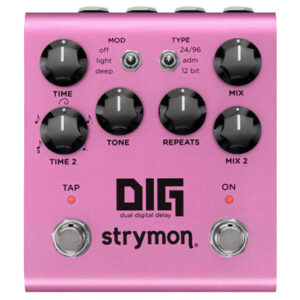
Converts the signal or control process into numerical data for algorithmic processing. Digital designs can provide precise timing, long memory, complex routing and repeatable presets; sample rate, conversion, internal resolution and latency influence fidelity and response.