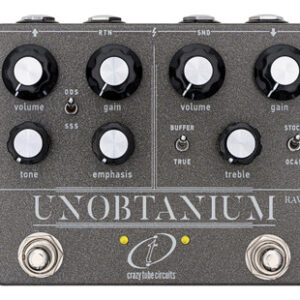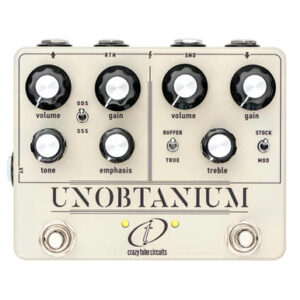

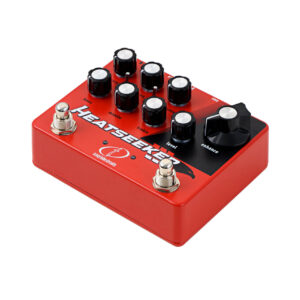
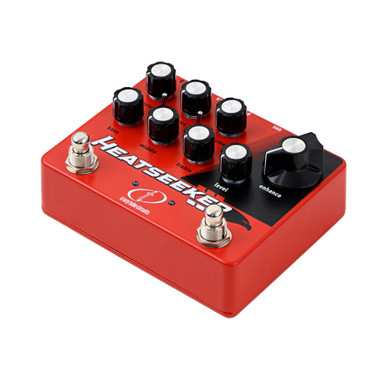
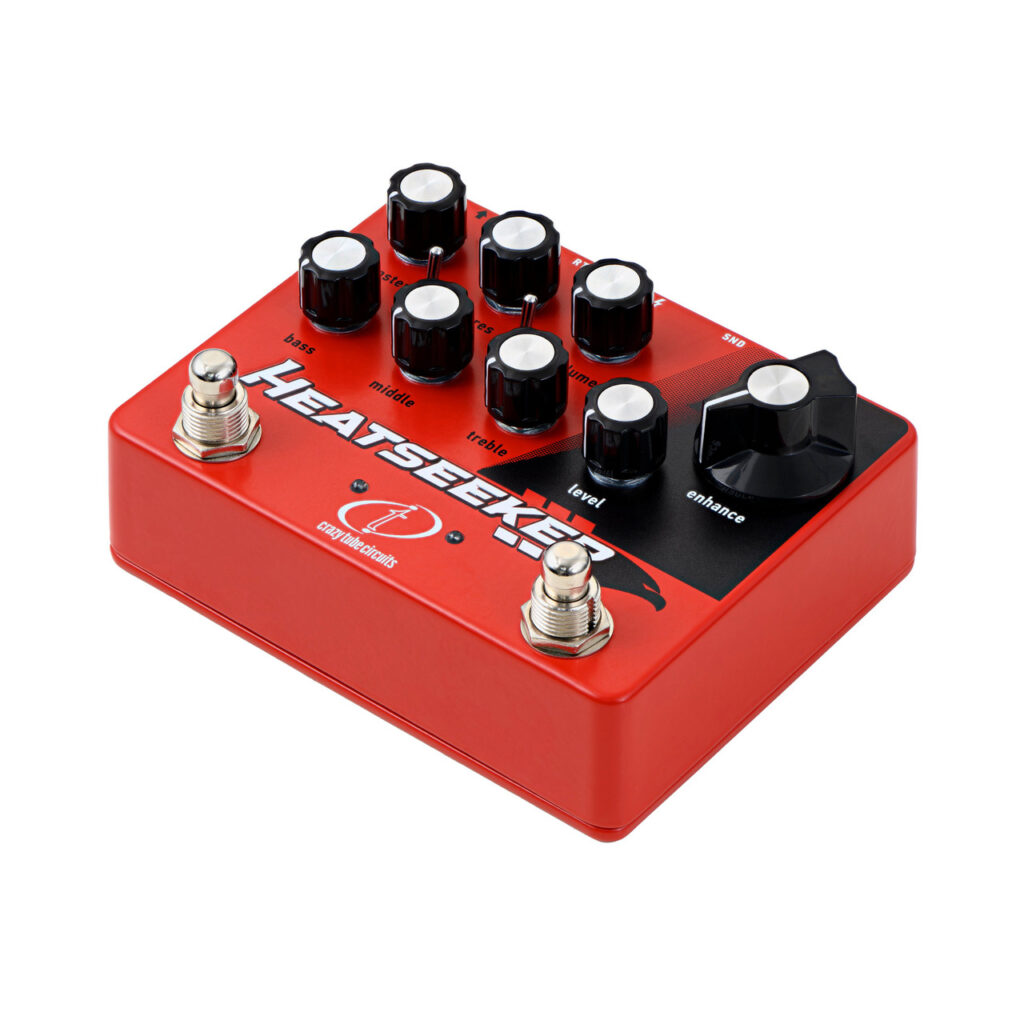
The sound of a classic wireless system meets three iconic amps that helped shape the history of rock. From its inception/invention, in the mid-70s, this wireless system has been the secret recipe to major rock guitar rigs. The magic ingredient lies to its analog preamp/ tone enhancer circuit that expands the dynamic response and harmonics of any signal that goes through it. By producing a modern recreation of this hidden gem, we have ensured enough percussive attack to spice up your tone.
Utilising an all-analogue JFET circuit, running on 27 volts via an internal voltage boost, we have captured the tone and feel of three British tube amplifiers synonymous with the sound of rock and roll with an excellent clean-to-mean dynamic response. Our “WoS” (Wall of Sound) circuit opens up the soundstage by increasing output and adding thundering lows and dense high mids. The effect is similar to “adding” a wall of amp heads and full stacks to your rig!
Key Features
- Recreates the tones of the gear setup used by Angus Young
- Right side recreates the preamp/tone enhancer-expander circuit of the Schaffer Vega Diversity System
- Left side is an all-analouge simulation of the preamp and power amp sound and response of 3 distinct Marshall amplifiers: JTM45, Super Lead Plexi, JMP 2203
A passive effects loop gives you the option to connect your beloved pedals between the two sections, building your ideal rig.
Specifications
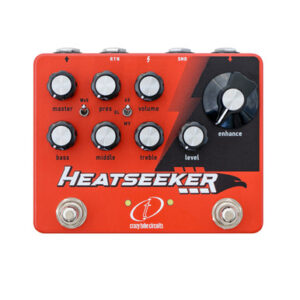
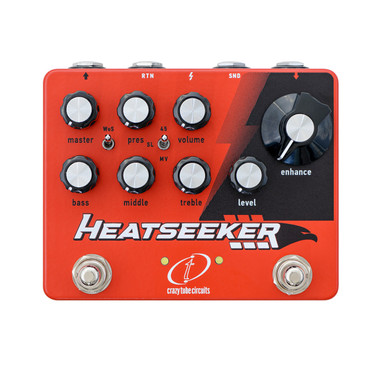
- Enhance control amplifies your guitar’s dynamic response and harmonics.
- Level controls the output/boost of the preamp circuit.
- Volume (gain) control: control the amount of amp drive/saturation. From clean to mean.
- 3 band Marshall style EQ (bass, middle, treble).
- Presence controls the amount of upper mid and high frequencies to match the pedal to any gear setup.
- Master knob sets overall output volume. Designed to produce more gain at higher settings.
- Wall of Sound (WoS) toggle switch: increase soundstage – output.
- Independent operation of the left and right sections.
- Click-less true bypass design via high-quality relays for each section.
- 2 Footswitches/2 Status LEDs – one for each effect section.
- Power-up bypass/engage preset function for the footswitches.
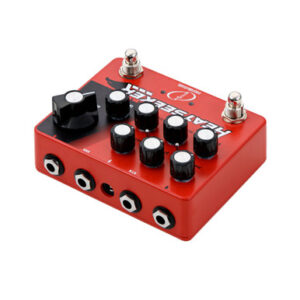
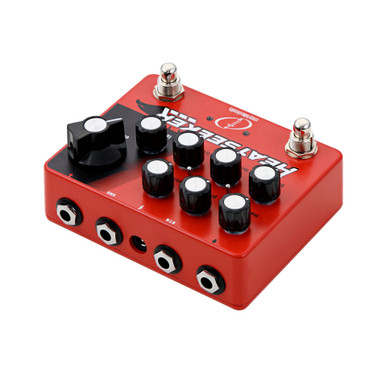
- Top mounted jacks.
- Passive series effects loop to connect pedals between the two sections or use them
- separately as independent effects.
- Power Supply: Use only 9V DC, 2.1 mm x 5.5 mm, center negative (not included).
- Runs internally at 27V DC (via internal voltage boost circuit) for higher headroom and tube-like performance.
- Current consumption 115mA.
- Dimensions (W x L x H) : 119 x 97x 53mm.