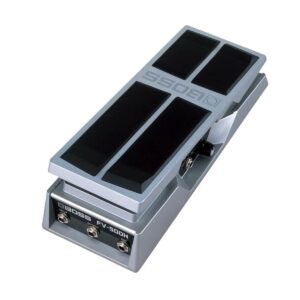
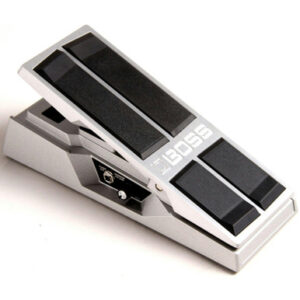
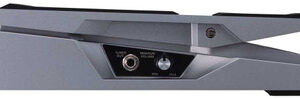
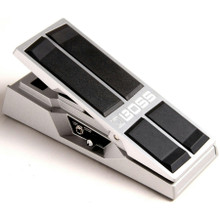
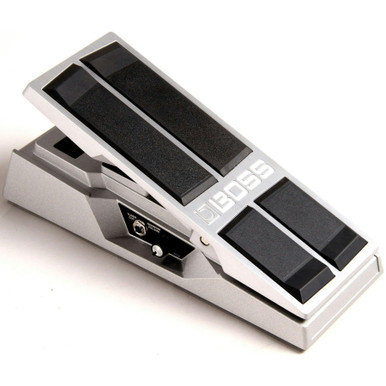
Boss FV-500H Foot Volume (High Impedance) Mono Pedal

£114.99

This is the Boss FV-500H Foot Volume (High Impedance) Mono Pedal from Boss, listed in Specialist Effects Pedals on Just Pedals. Read More below.

View Just
more

BOSS FV-500H FOOT VOLUME

Industrial-Strength Power Pedals

For fourteen years, the famous BOSS FV-300 served as an industry-standard volume pedal. The tradition continued with the FV-50 series, but today the bar has been raised with BOSS’s new FV-500H (high-impedance) and FV-500L (low-impedance) pedals. These tank-tough diecast pedals are designed to meet the needs of the most demanding customers. The pedals offer a new stylish design, a road-tough build, and a comfortable, smooth action. Both models also provide an Expression output for use with expression-compatible amps, effects, and even synthesizers.

Features

  • – Heavy-duty aluminium die casting body
  • – Ultra-smooth pedal movement for the utmost in comfort and control
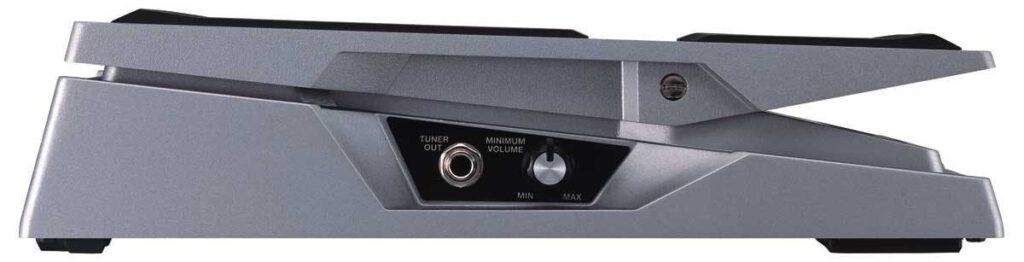
  • – Adjustable pedal feel (torque)
  • – Pedal rubber is for comfortable play and non-slip action
  • – Expression pedal function
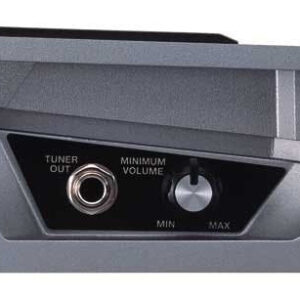
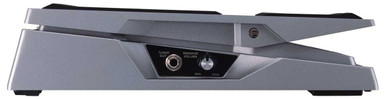
  • – Convenient tuner-output jack
Related videos

Brand

Boss

Boss is a prominent manufacturer of guitar effects pedals, multi-effects units, and related musical equipment, known for their durability, reliability, and wide range of effects. Founded in 1973 as a division of the Roland Corporation, Boss quickly became synonymous with high-quality effects pedals that are popular among guitarists and musicians worldwide.

Boss pedals are renowned for their rugged construction, intuitive controls, and signature sound quality. The company offers a comprehensive lineup of effects pedals covering various categories, including distortion, overdrive, delay, modulation, and more. Iconic pedals like the DS-1 Distortion, the DS-2 Turbo Distortion, the DD-3 Digital Delay, and the MT-2 Metal Zone have become staples on countless pedalboards due to their versatility and reliability.

Category

Specialist Effects Pedals

Specialist effects alter the signal in ways that do not sit cleanly inside one established family. They may use granular processing, frequency shifting, resonators, freeze or sustain, bit reduction, ring modulation, feedback networks or combinations of several techniques. The relevant distinction is the underlying process, its tracking or latency, and how completely the dry signal can be blended or replaced.