Brand
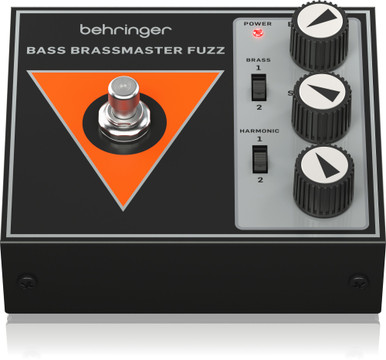
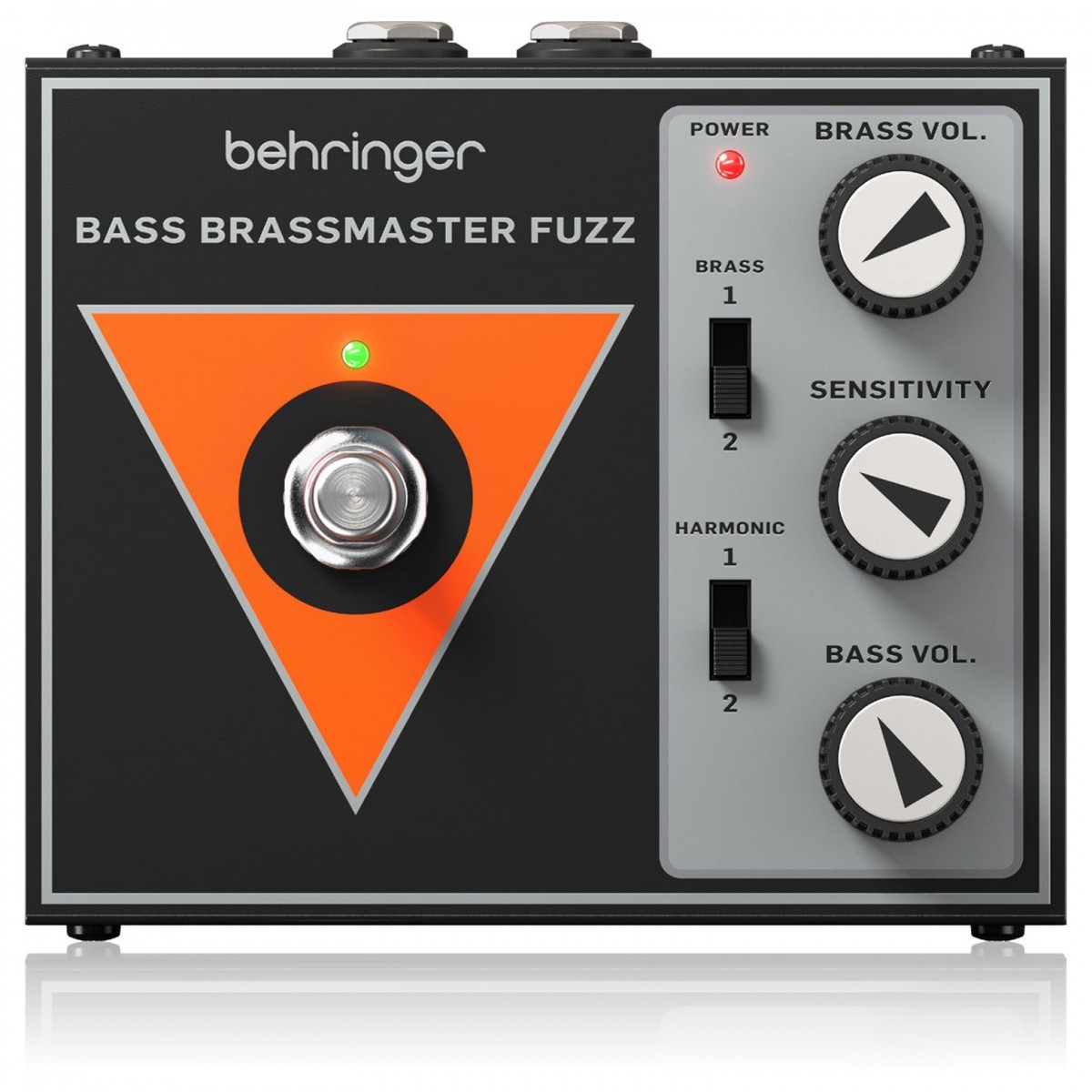
In the current JustPedals catalogue, Behringer is represented by Multi-Effects Pedals, Wah & Filter Pedals and Overdrive Pedals. Current listings include FUZZ BENDER, Pedal Flanger and Dual-Phase. That makes the range relevant to players looking for drive, gain and clipping, plus time-based effects and ambience. Check each model for its exact circuit or processing platform, controls, power requirements and connections, particularly where the catalogue includes both pedals and supporting gear.
Category
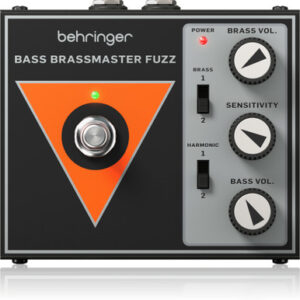
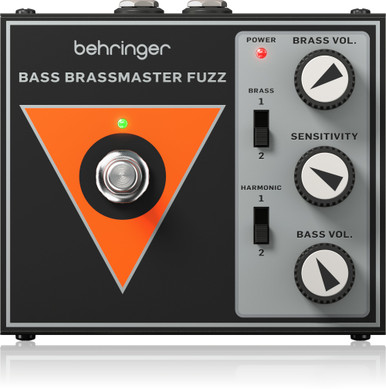
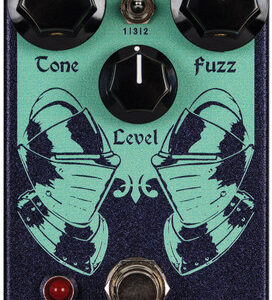
Fuzz pedals push a signal into intentionally non-linear clipping, often with strong sustain, compression and harmonic roughness. Designs range from gated splutter and octave-up textures to broad, woolly or saturated sounds, and they can react strongly to pickup level and guitar volume. Bias, tone, gain, input impedance and clean-up behaviour affect how playable the circuit feels. Some fuzzes prefer to see the guitar directly, while others tolerate buffers and complex boards. Check the power requirements, noise floor and useful volume-control range.
Tags
Bass products are designed or voiced to retain low-frequency information and usable headroom with bass guitar or other low-register sources. Controls may centre on clean blend, low-end EQ, compression, crossover points or drive character. A guitar pedal can sometimes work well on bass, but it may remove the fundamental or compress the transient. Check the frequency response, input impedance, output level and dry-signal path with the intended tuning and amplifier.
True bypass removes the effect circuit from the audio path when bypassed, usually by mechanical, relay or switching circuitry. This can preserve the direct signal but does not automatically solve long-cable loading, and it may create a pop or leave no buffer for the rest of the board. Check the actual switching method, trails or spillover, input and output loading and the number of other true-bypass pedals in the chain.
Vocal products process a microphone signal with harmony, reverb, delay, doubling, pitch correction, distortion or tone shaping. Microphone type, phantom-power handling, input gain, footswitch control and balanced output are as important as the effect list. Check key or scale settings, monitoring, feedback control, dry-signal routing and the intended PA or interface connection before using a vocal effect on stage.