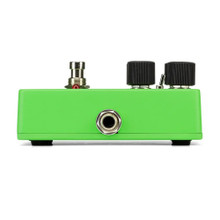
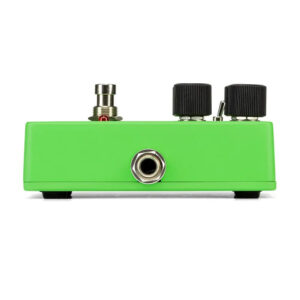
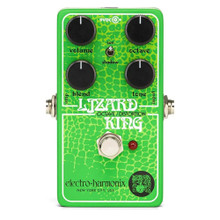
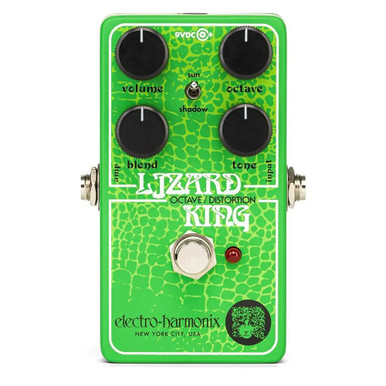
Electro Harmonix JHS Lizard King Vintage Octave Fuzz Distortion Pedal

£119.99

This is a New Electro Harmonix JHS Lizard King Vintage Octave Fuzz Distortion Pedal from Electro Harmonix, listed in Octave Pedals on Just Pedals. Read More below.

View Just
more
and , ,

Here’s what EHX says:

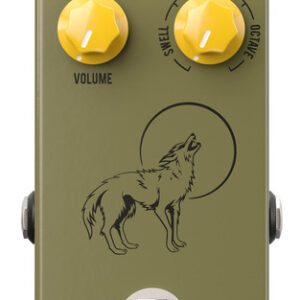
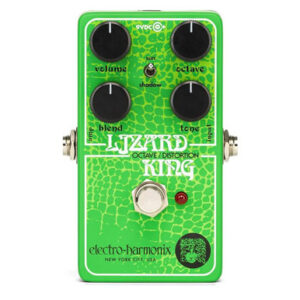
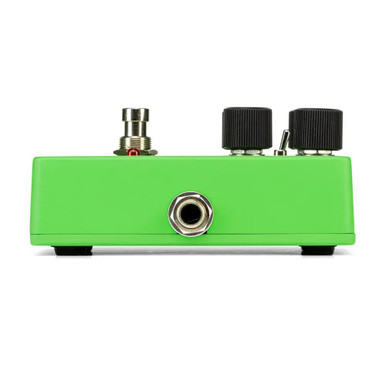
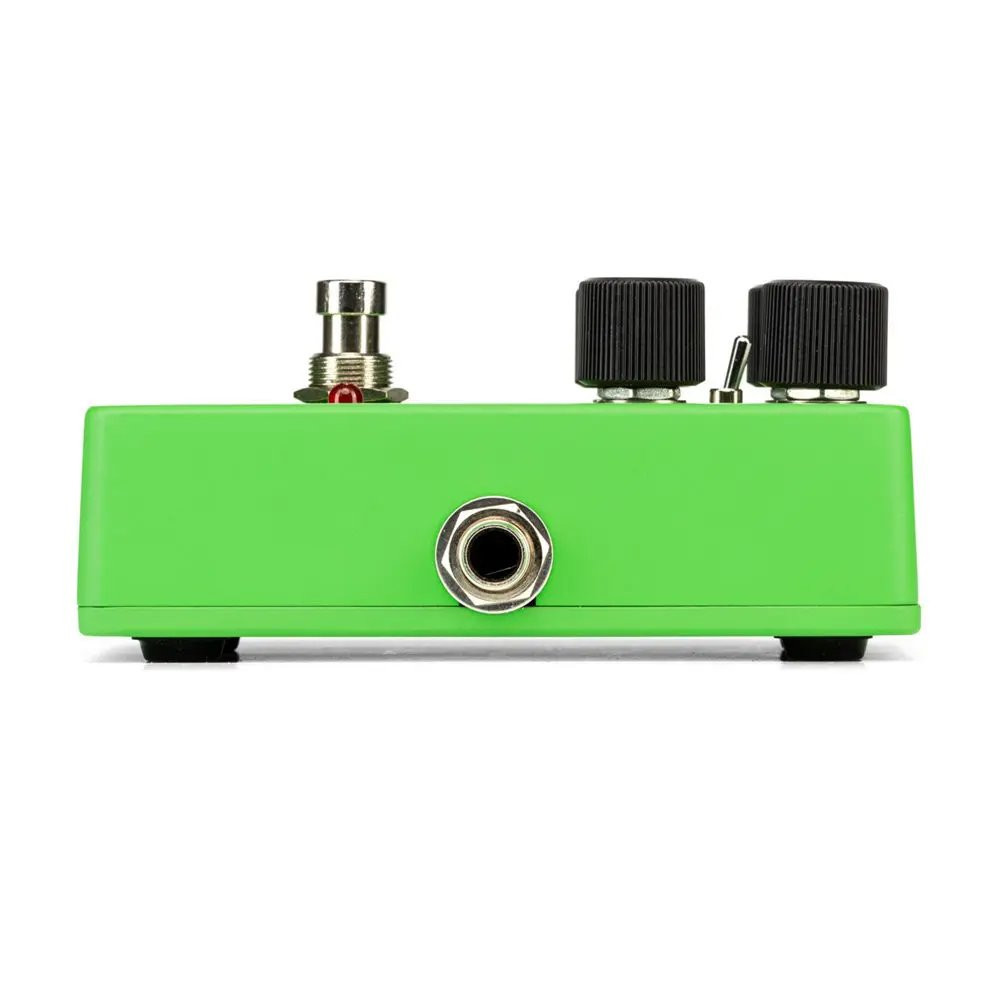
Make way for the new heir to the octave fuzz throne, the Lizard King from Electro-Harmonix. Directly inspired by the EHX x JHS collaboration released in 2023, the Lizard King takes the gnarly and responsive octave fuzz circuit from the Lizard Queen and optimizes it for bass and beyond. With updated tone controls and a new Blend knob, the bass’s fundamental tone and low-end is preserved while the top-end of the fuzz tone is shaped to fit or dominate any mix!

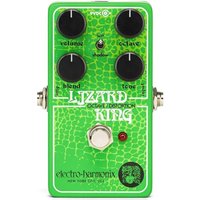
The EHX Lizard King is a fixed-gain fuzz that is dynamically responsive. Adjustments to your instruments volume affects the amount of fuzz. Lower instrument volumes create a clear, fuzzy overdrive, while full instrument volume sends the gain over the top for ripping riff and searing solo tones. The familiar VOLUME and OCTAVE knobs control overall output and octave blend volume respectively. New to the Lizard King, the BLEND knob sets the mix between your clean and fuzz tones to create the perfect balance of fuzz while retaining your bass’s attack and low-end. The TONE knob is a low pass filter that rolls off the highs, while the SUN/SHADOW switch further enhances the tone of the octave fuzz and clean tones. SUN boosts the octave fuzz with a more driving midrange, and the clean tone accessed by the BLEND knob has more treble and bass frequencies. When the switch is set to SHADOW, the clean tone is unchanged, and fuzz tone is tighter.

Key features

  • Vintage-style octave fuzz optimized for bass
  • Inspired by EHX x JHS Lizard Queen
  • BLEND knob mixes from 100% clean to 100% fuzz
  • TONE control smooths out the fuzz’s high-end
  • Unique OCTAVE knob blends in retro octave tone
  • SUN / SHADOW toggle for enhanced tone
  • True-Bypass
  • 9V Battery included (9V adapter optional)
Related videos

Brand

Electro Harmonix

In the current JustPedals catalogue, Electro Harmonix is represented by Fuzz Pedals, Overdrive Pedals and Octave Pedals. Current listings include Q-Tron+, Nano Clone and V256 Vocoder. That makes the range relevant to players looking for drive, gain and clipping, plus time-based effects and ambience. Check each model for its exact circuit or processing platform, controls, power requirements and connections, particularly where the catalogue includes both pedals and supporting gear.

Category

Octave Pedals

Octave pedals generate one or more notes above or below the input, either by analogue tracking, digital processing or a blend of both. Monophonic circuits often track best with clean, single-note playing; polyphonic designs can handle chords more reliably but may introduce a different feel or latency. Controls such as octave-up, octave-down, dry level, filter and tracking range shape the result. Check the intended instrument, register, input impedance and whether the pedal remains stable before or after other gain effects.

Tags

Bass

Bass products are designed or voiced to retain low-frequency information and usable headroom with bass guitar or other low-register sources. Controls may centre on clean blend, low-end EQ, compression, crossover points or drive character. A guitar pedal can sometimes work well on bass, but it may remove the fundamental or compress the transient. Check the frequency response, input impedance, output level and dry-signal path with the intended tuning and amplifier.

Distortion

Distortion uses deliberate clipping to add harmonics, compression and sustain. Some circuits are voiced for amp-like crunch, others for high-gain rhythm or an abrasive texture. Gain, tone, presence, resonance, blend and noise-control features determine how the pedal interacts with pickups and the next stage. Before choosing, decide whether it will push an amplifier, run into a clean platform or feed a cabinet simulation, because the same control settings can behave very differently in each route.

Fuzz

Fuzz pushes a signal into intentionally non-linear clipping, often with strong sustain, compression and harmonic roughness. Circuits range from gated splutter and octave-rich textures to broad, woolly saturation, and their response can change with pickup level and guitar volume. Bias, tone, gain and input impedance affect the clean-up and feel. Check whether the fuzz prefers to see the guitar directly, how it handles buffers, and its power and noise requirements.