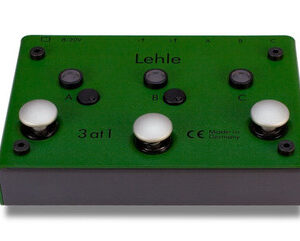
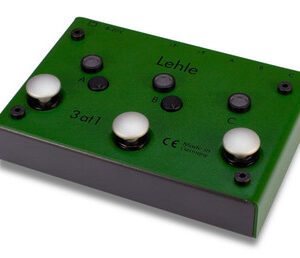
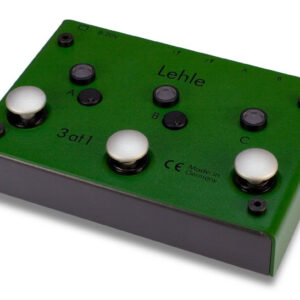
Brand
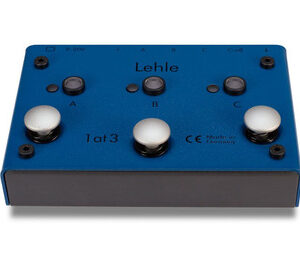
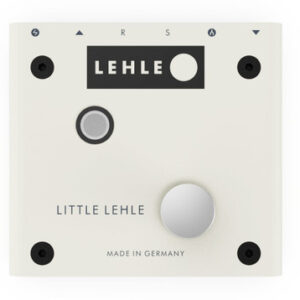
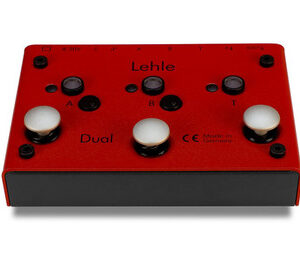
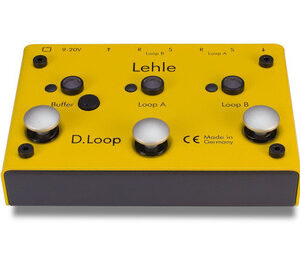
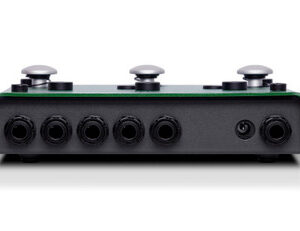
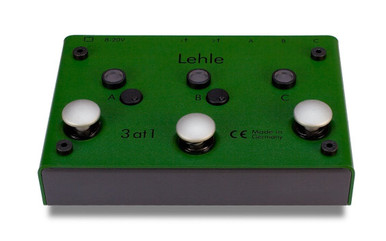
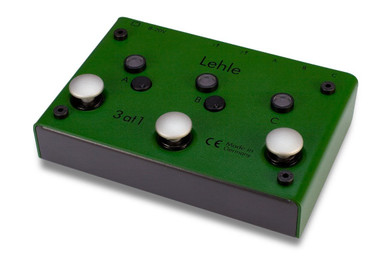
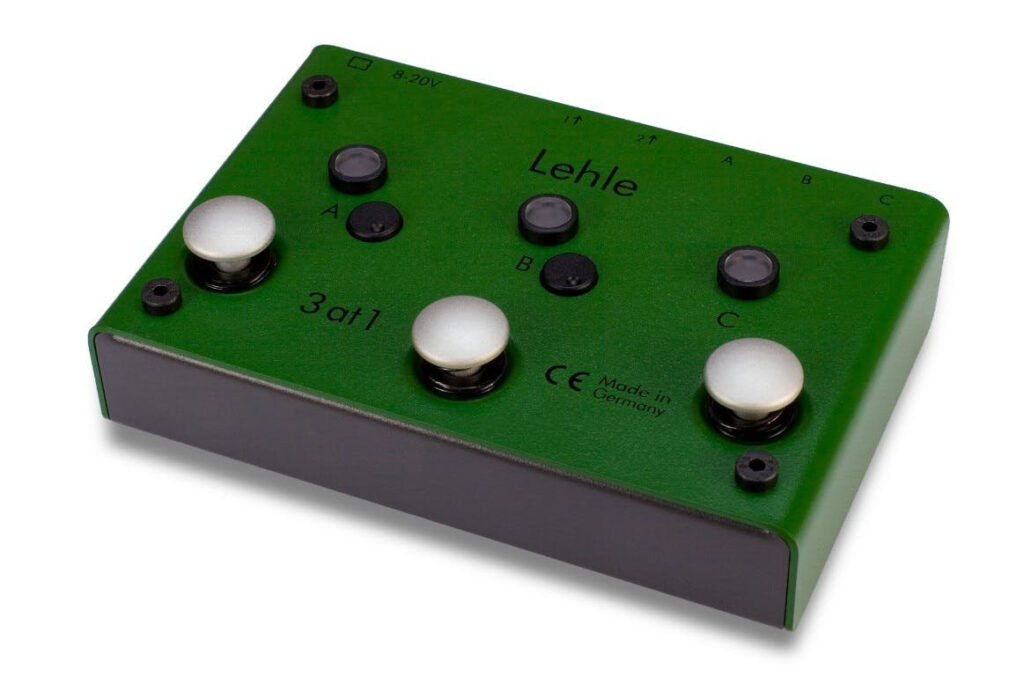
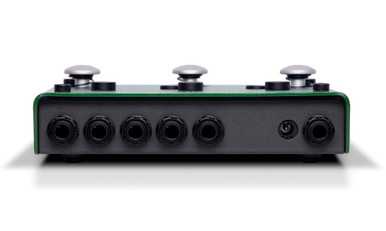
Lehle is a high-end manufacturer of guitar pedals, known for their precision engineering and sophisticated signal routing capabilities. The brand is highly regarded for its innovative designs, particularly in the realm of volume pedals and signal processors. Their products, such as the Lehle Mono Volume S and Lehle Parallel SW II, are favoured by musicians for their transparency, tonal clarity, and durability. The Mono Volume S, for example, offers a smooth operation with low friction bearings and a boost function that can enhance the gain for specific tones. It also features programmable presets, a USB-C socket for calibration and updates, and a buffered direct output, making it versatile and highly functional for modern pedalboards.
Lehle pedals are built with high-quality components, including discrete Class-A input stages, which contribute to their excellent dynamic range and ability to handle various instruments, from electric guitars to keyboards. Their use of true-bypass circuits and advanced switching technology ensures minimal signal loss, allowing musicians to maintain the integrity of their sound even when switching between effects.
Category
Specialist effects pedals sit outside the standard overdrive, delay, reverb and modulation boxes, or combine those processes in unusual ways. This broad category can include ring modulation, granular and sample-based effects, freeze and sustain devices, feedback tools, lo-fi processors, envelope circuits, rotary simulation, glitch, experimental filters and signal routers. The description on the individual product matters because the controls and signal path vary widely. Look for tracking, latency, dry blend, expression or MIDI support, headroom and bypass behaviour; specialist does not mean random, but it does mean the usual effect label is not enough.
Tags
Sends, receives or responds to Musical Instrument Digital Interface messages rather than carrying the instrument audio itself. Program changes recall presets, continuous controllers move parameters, and MIDI clock or transport messages synchronise timing between devices.
Processes, creates or passes two audio channels. True stereo preserves separate left and right inputs, while mono-to-stereo effects generate spatial differences internally; routing, phase behaviour and whether trails remain stereo determine the resulting image. Some outputs sum to mono when only one socket is connected, which can change level or modulation depth.
Connects input directly to output through mechanical or relay switching when the effect is off, removing the active circuit from the audio path. It avoids buffer colour but leaves cable capacitance and switching design to influence high-frequency loss and possible switching noise.