



From affordable mini pedals to boutique effects we stock a huge range of guitar pedals from brands like Boss, JHS, Strymon, Tone City, and more!



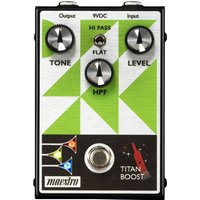
Maestro Titan Boost Pedal Promo
£149.00
This is a New Maestro Titan Boost Pedal Promo from Maestro its found in our Boost Pedals on the Just Pedals menu. Read More below.
View Just Maestro
As an affiliate partner, we may earn a small commission when you buy through our links — at no extra cost to you.
Brand
Maestro
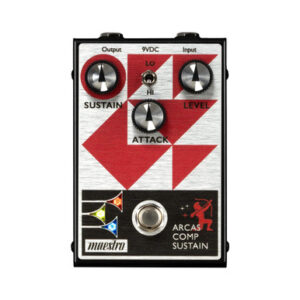
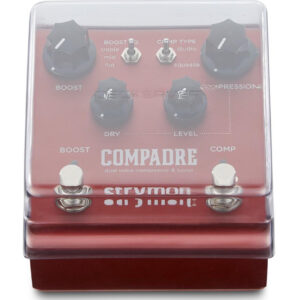
In the current JustPedals catalogue, Maestro is represented by Boost Pedals, Tremolo & Vibrato Pedals and Fuzz Pedals. Current listings include Mariner Tremolo, Titan Boost and Ranger Overdrive. That makes the range relevant to players looking for drive, gain and clipping, plus time-based effects and ambience. Check each model for its exact circuit or processing platform, controls, power requirements and connections, particularly where the catalogue includes both pedals and supporting gear.
Category
Boost Pedals
A boost raises signal level without deliberately creating a new effect waveform. Clean boosts emphasise level and headroom, while coloured boosts reshape bass, midrange or treble and may add mild clipping at higher settings. Placed before a gain stage, the extra level changes how that stage distorts; placed later, it can provide a volume lift if sufficient headroom remains.
Others Just Ordered :
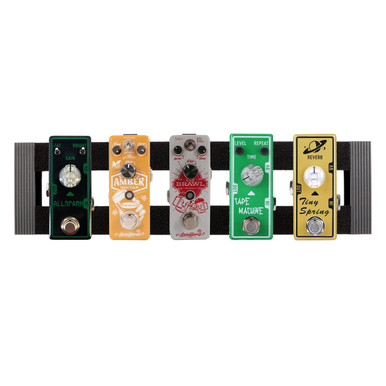
- I Love A Happy Accident… – Animals Pedal

- Animals Pedal Vintage Van Driving is Very Fun Overdrive
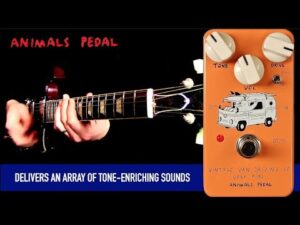
- Animals Pedal Sunday Afternoon Is Infinity Bender
- Ninevolt Pedals | Bath Time Reverb (Animals Pedal)
- This Fuzz Pedal Makes No Sense… But It Sounds Incredible

- ANIME Pedals | Animals Pedal Custom Illustrated Series