The JOYO D56 is a fuzz pedal. It is intended for creating saturated fuzz textures and heavier harmonic clipping.
- Brand: JOYO
- Model: D56
- Product type: Fuzz Pedals

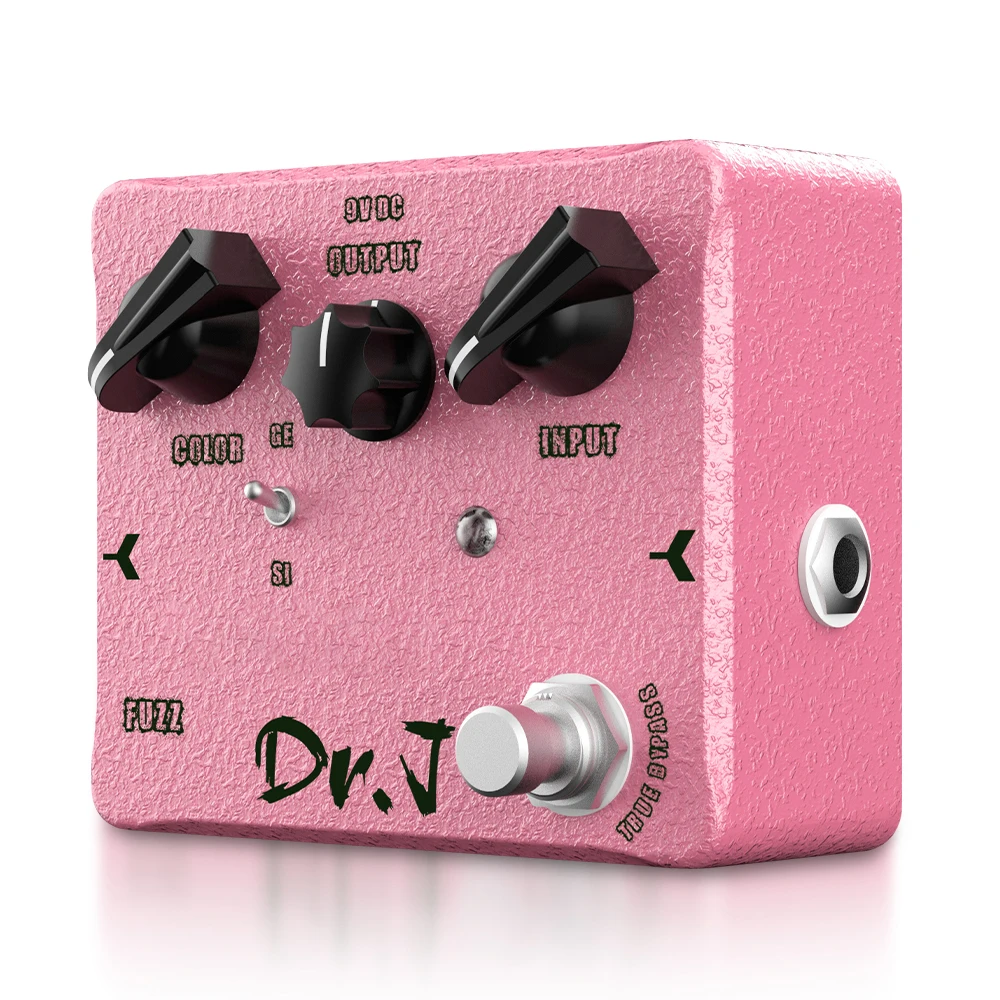
This is a New JOYO Dr. J Series D56 PLANES WALKER FUZZ Guitar Effect Pedal Classic & Modern Tone Fuzz Pedal Bypass Design Low Loss from Joyo its found in our Fuzz Pedals on the Just Pedals menu. Read More below.
As an affiliate partner, we may earn a small commission when you buy through our links — at no extra cost to you.
The JOYO D56 is a fuzz pedal. It is intended for creating saturated fuzz textures and heavier harmonic clipping.
JOYO Technology is a Shenzhen music-gear company whose range goes well beyond stompboxes. Its official catalogue covers guitar and bass amplifiers, acoustic and busking amps, effects, power supplies, interfaces, wireless systems and accessories. JOYO also says it develops acoustic-core technology and has applied for utility patents. JustPedals listings include the JF-21 Splinter distortion and JF-319 Green Legend overdrive, alongside mini amps and power adapters. That breadth matters when comparing products under the JOYO name: some are effects, while others support the rest of a guitar or bass rig.
Fuzz drives the signal into extreme clipping, often flattening the waveform and generating a thick spectrum of harmonics. Transistor type, bias, input loading and tone filtering create markedly different responses, from loose and velvety to gated, spluttering or octave-rich. Some circuits interact strongly with pickup impedance and guitar volume, while others include buffers or blends for a more consistent response.
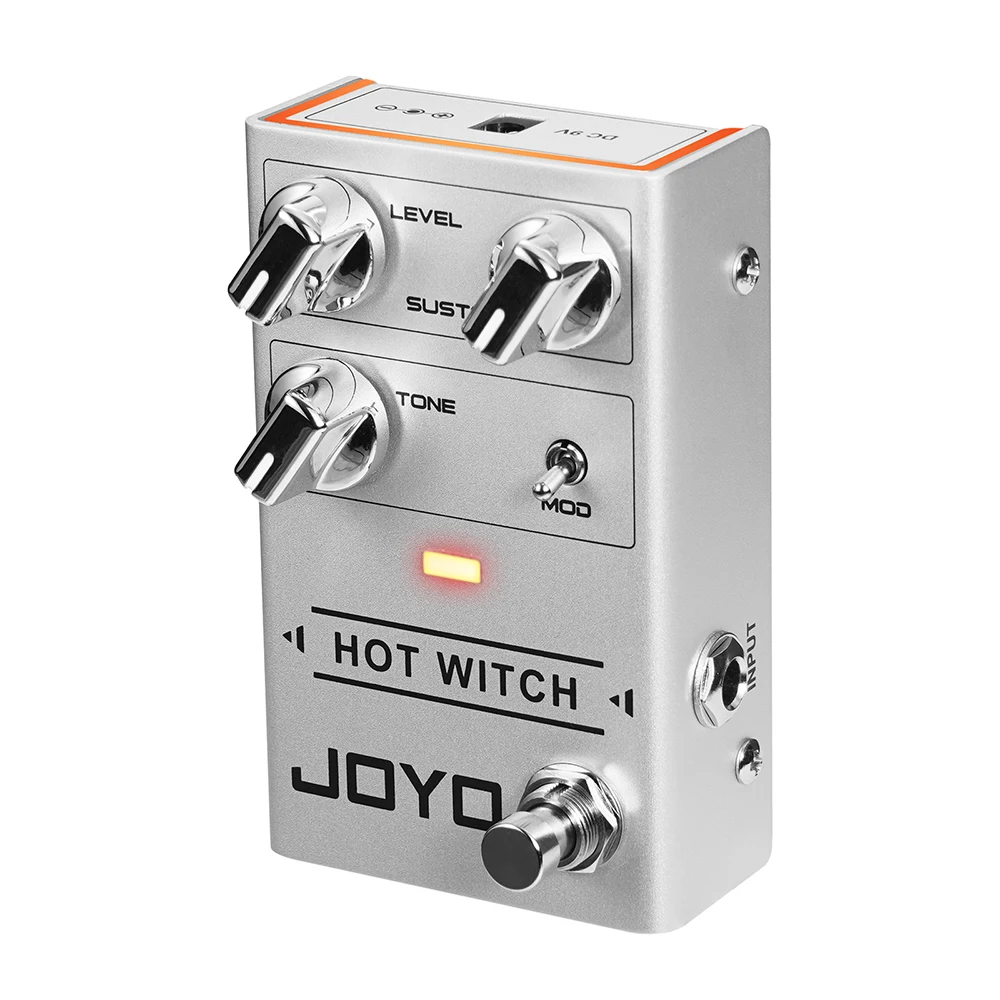 JOYO R-25 Fuzz Guitar Effect Pedal HOT WITCH Retro & Modern Pedal with Deep Smooth Lows Fuzz Effect for Electric Guitarists
 JOYO JF-25 BRIGHT DAY Overdrive Guitar Pedal from Vintage to Modern Tone High Gain Blues Ovedrive Pedal True Bypass
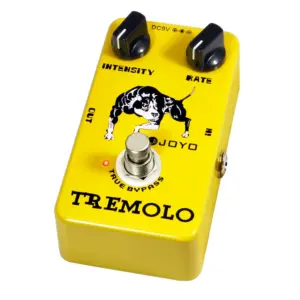 JOYO JF‑09 Tremolo Guitar Effect Pedal Classic Tube Amp Optical‑Photoelectric Tremolo Effect True Bypass for Electric Guitar
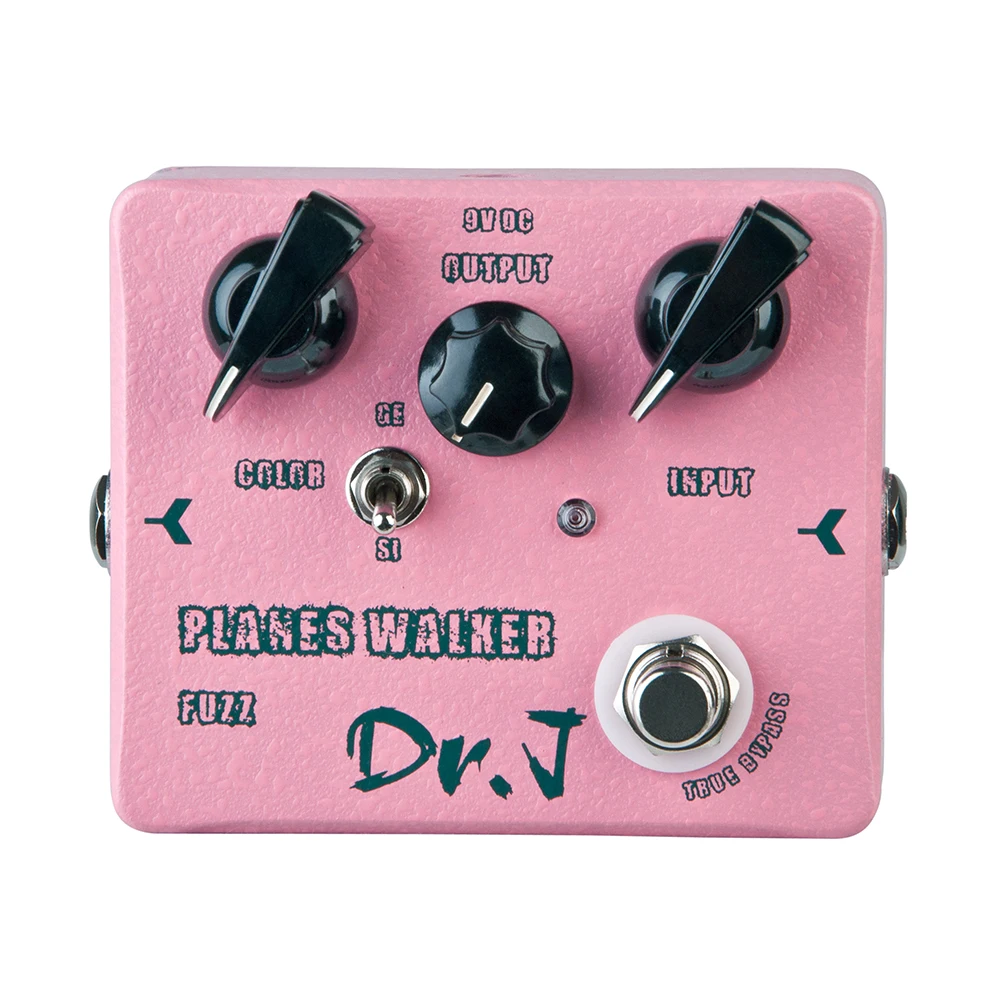 JOYO D56 Fuzz Pedal