SONICAKE Local VolWah Pedal Active Volume Control And Wah-wah Guitar Expression Pedal Shipping from US SONICAKE Local VolWah Pedal Active Volume Control And Wah-wah Guitar Expression Pedal Shipping from US
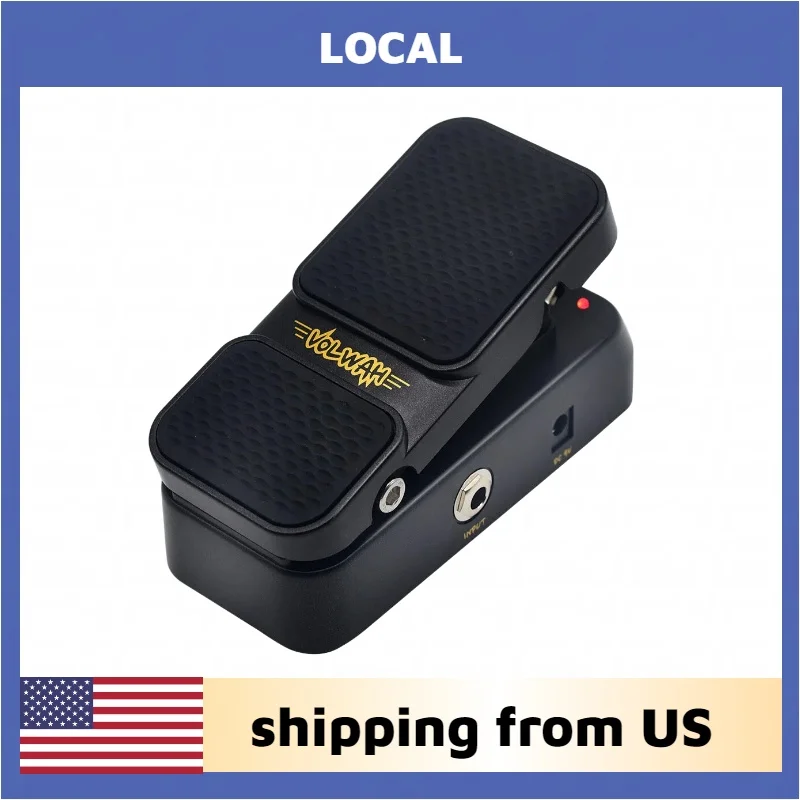

SONICAKE Local VolWah Pedal Active Volume Control Wah-wah Expression Pedal
£66.06
The SONICAKE Local VolWah Pedal Active Volume Control Wah-wah Expression Pedal is new on JustPedals, and instock GBP 66.06 direct. SONICAKE Local VolWah Pedal Active Volume Control And Wah-wah Guitar Expression Pedal Shipping from US
View Just Sonicake
As an affiliate partner, we may earn a small commission when you buy through our links — at no extra cost to you.
Related videos
Brand
Sonicake
Sonicake is a Changsha, Hunan gear maker with a catalogue spanning compact effects, multi-effects processors, bass and acoustic preamps, headphone tools and accessories. Its official FAQ says its products are manufactured and packaged in Changsha. The JustPedals selection reflects that mix: the QEP-10 FlipWah combines wah and volume functions, the QME-20 Smart Box is a multi-effects processor, and listings also include adapters and headphone amplifiers. Check whether a Sonicake listing is a pedal, processor or supporting accessory before comparing it with a conventional single-effect stompbox.
Category
Expression Pedals
An expression pedal converts foot movement into a control signal rather than processing audio directly. It can sweep parameters such as delay time, modulation depth, pitch or volume on compatible equipment. Potentiometer value, wiring polarity, connector type and minimum-range controls must match the receiving device; some models provide multiple outputs or programmable MIDI control instead of a passive resistance.
Guitar Pedals
Guitar pedals are compact devices placed in the signal path to change level, tone, dynamics, pitch, time, modulation or routing. This broad category includes simple analogue effects, digital processors, switching and utility products, so the most important differences are the circuit function and connection method. Check whether a model expects instrument or line level, how it is powered, whether it preserves bass or stereo information, and how its bypass behaves with the rest of the board.
Wah Pedals
Wah pedals use a foot-controlled sweep to emphasise different parts of the frequency range, producing the familiar vowel-like movement. Sweep width, resonance, Q, switch position, buffer and input loading affect how expressive and compatible the pedal feels. A wah before gain drives different harmonics than one placed after distortion, and some fuzz circuits react strongly to the pedal’s input impedance. Check the treadle travel, bypass method, power requirement, range and instrument compatibility before fitting one to a board.
Tags
Expression
Expression products provide hands-free control over a compatible parameter such as volume, wah, delay mix or modulation depth. The wiring, resistance range, connector type and control assignment are not universal. Check whether the connected unit expects TS or TRS, which parameters can be mapped, whether the socket supplies power and how much travel is available. A stable pedal and a predictable sweep matter more than the label alone when precise control is needed.
Volume
Volume products provide foot-controlled level changes from a full mute to a gradual swell or solo lift. Passive designs interact with source impedance and can alter the high end; active designs may preserve the response but require power. Placement before gain changes how hard the next stage is driven, while placement after gain behaves more like a master level. Check taper, minimum-volume adjustment, travel, impedance and stereo support.
Wah
Sweeps a resonant filter through the spectrum to create vowel-like changes in tone. The treadle or automatic control moves the centre frequency, while sweep range, resonance, input loading and mechanical taper determine how sharply and where the voice changes.
Others Just Ordered :
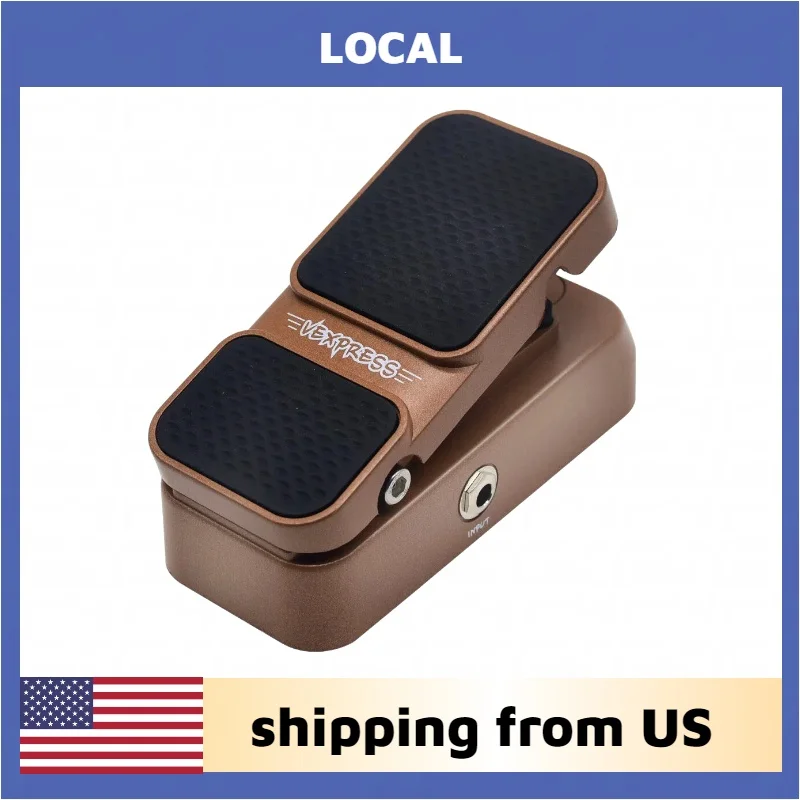 SONICAKE Local Vexpress Passive Volume Expression Control Pedal Keyboard Synthesizer
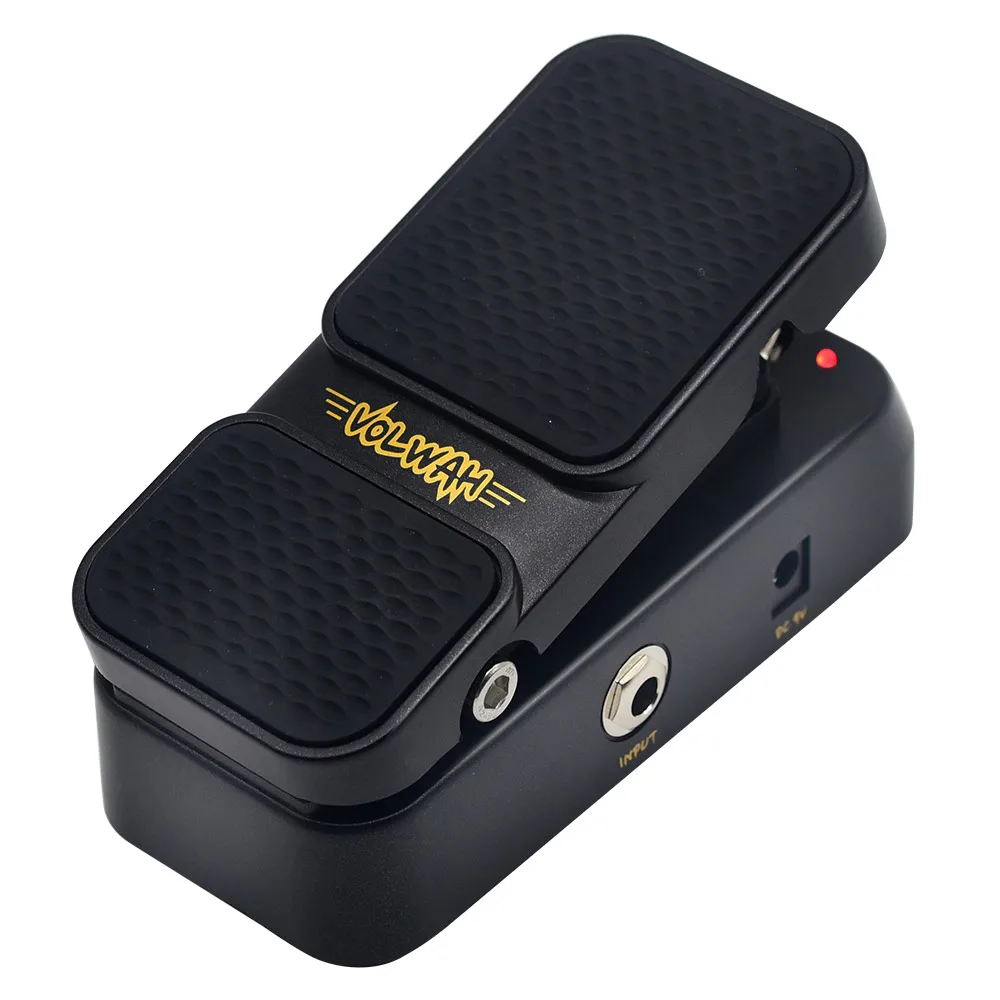 Sonicake QEP-01 VolWah Active Volume Control Wah Expression Pedal Parts Accessories
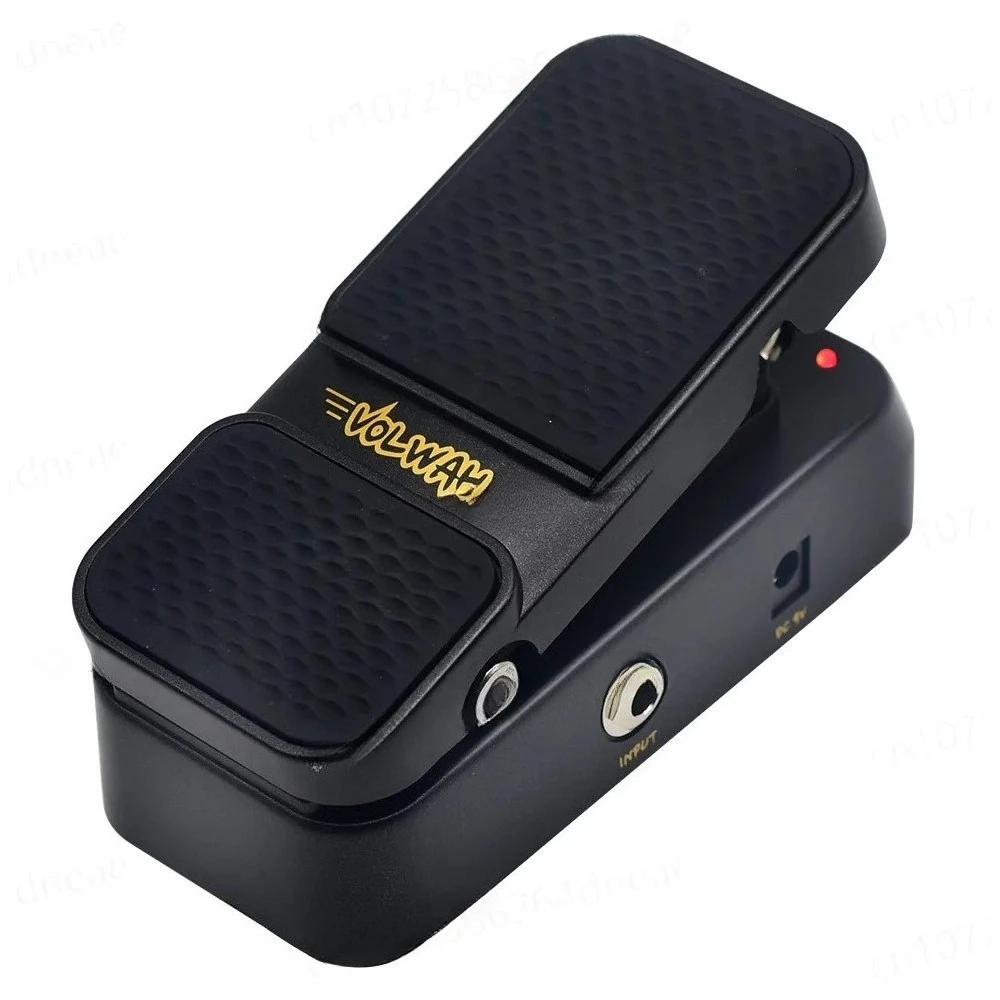 Sonicake QEP-01 Pedal Parts Accessories VolWah Active Volume Control Wah
Sonicake QEP-01 VolWah Active Volume Control Wah Expression Pedal Parts Accessories
Sonicake QEP-01 Pedal Parts Accessories VolWah Active Volume Control Wah
Sonicake QEP-01 VolWah Active Volume Control Wah Expression Pedal Parts Accessories
- I Love A Happy Accident… – Animals Pedal
- Animals Pedal Vintage Van Driving is Very Fun Overdrive
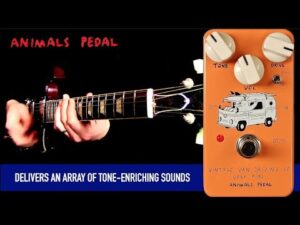
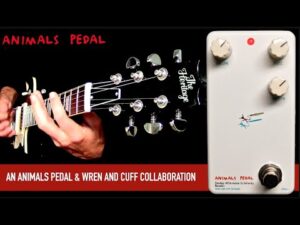
- Animals Pedal Sunday Afternoon Is Infinity Bender
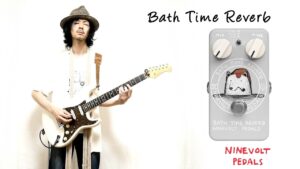
- Ninevolt Pedals | Bath Time Reverb (Animals Pedal)
- This Fuzz Pedal Makes No Sense… But It Sounds Incredible

- ANIME Pedals | Animals Pedal Custom Illustrated Series