Brand
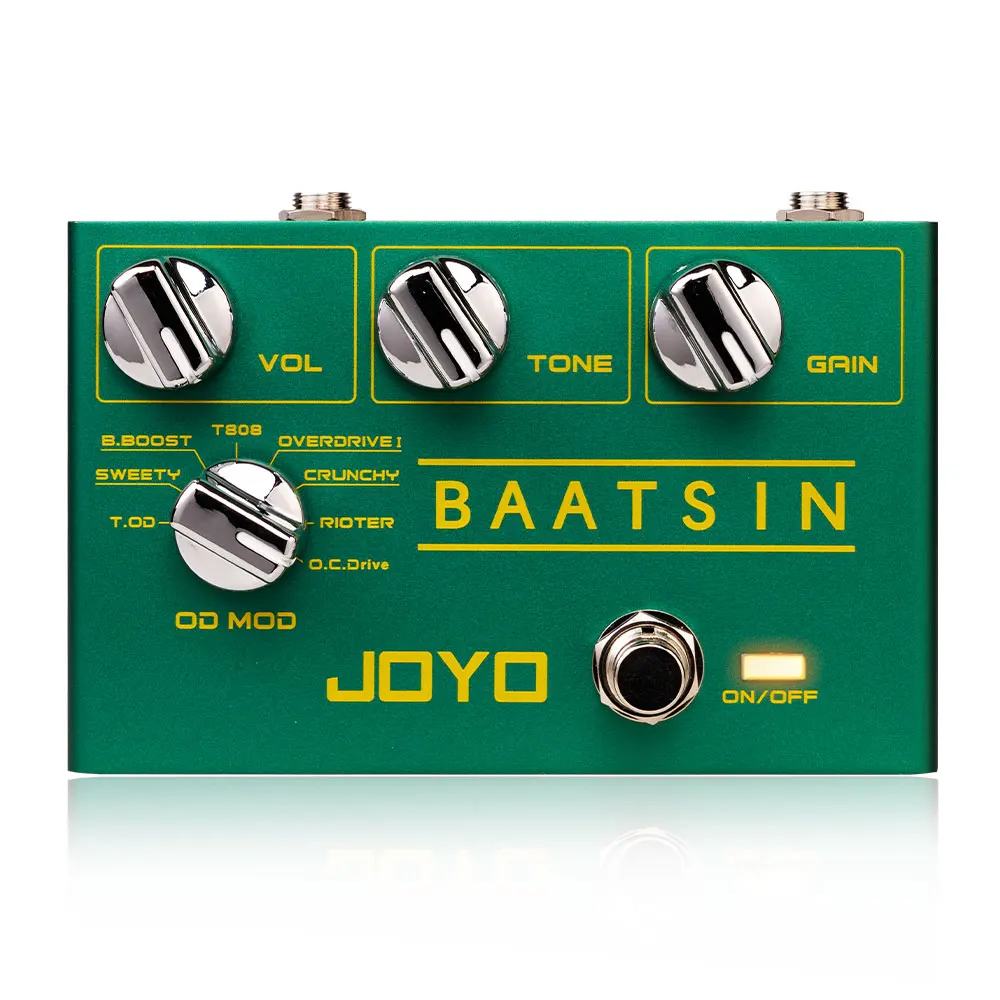
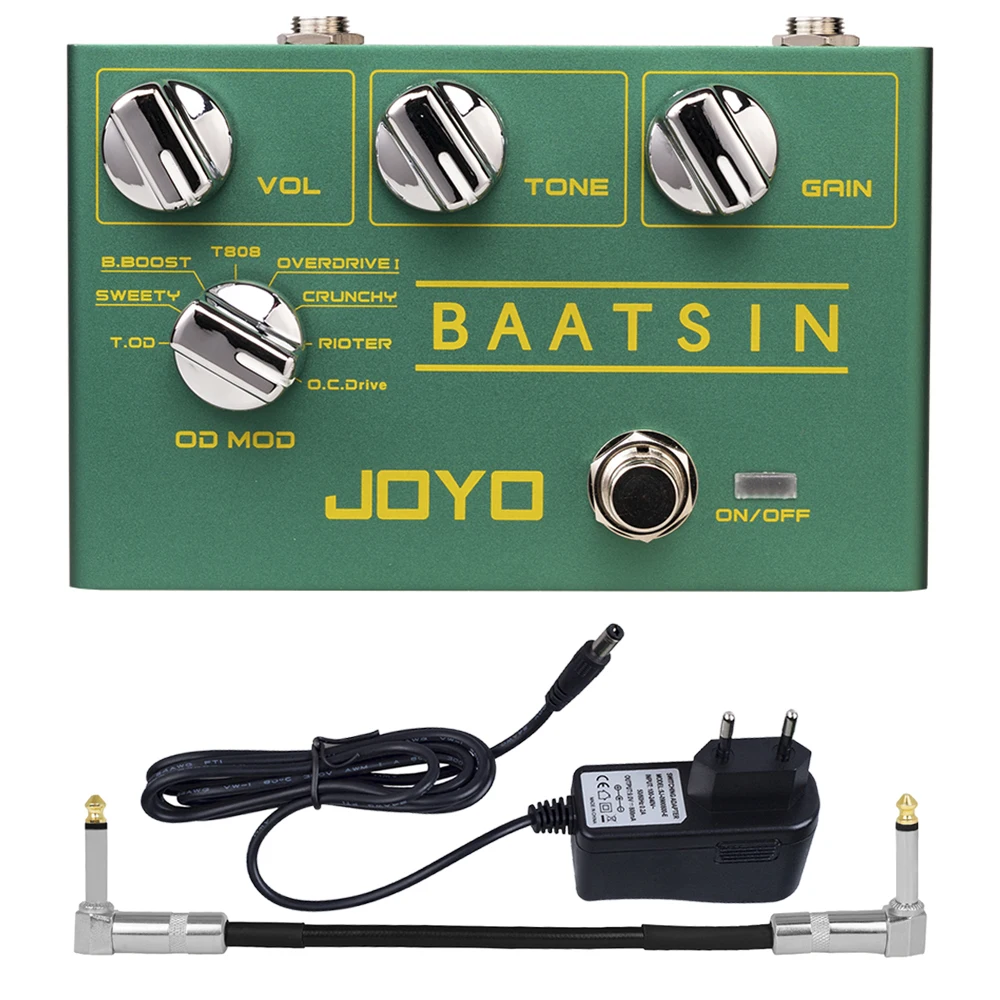
JOYO have become a go-to brand for guitar pedals, offering a huge range of effects that deliver solid, reliable tone at an affordable price. Focused on simplicity and performance, their pedals are easy to use, well built and designed to slot straight onto any pedalboard without fuss.
What makes JOYO especially appealing is how much they offer for the money. From overdrive and distortion through to delay, modulation and reverb, their range covers all the essentials, often capturing classic sounds while remaining dependable and consistent. Whether you’re building your first pedalboard or adding to an existing setup, JOYO pedals give you flexibility without compromise.
JOYO pedals are simply great — practical, versatile and far better than their price might suggest. They’re trusted by players everywhere for good reason, and if you’re looking for quality effects without overspending, you will not be disappointed.
Category
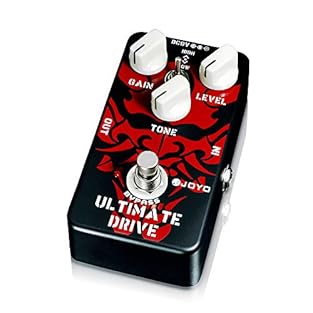
Distortion pedals create a heavier, more aggressive gain sound than most overdrive pedals, giving guitarists the sustain, bite and saturation needed for rock, punk, metal and hard-hitting lead tones. They can turn a clean amp into a high-gain platform or add an extra layer of intensity to an already driven sound.
Some distortion pedals are tight and modern, while others are raw, fizzy or vintage-inspired. Choosing the right one depends on whether you want chunky rhythm tones, singing sustain, scooped metal sounds or a classic hard-rock voice with plenty of attack.
Multi effects pedals combine several effect types in one unit, giving guitarists access to drives, modulation, delay, reverb, amp modelling and utility tools without needing a board full of separate pedals. They are a practical option for players who want flexibility and fast access to many sounds.
They are especially useful for covers bands, home recording, practice and players who are still discovering which effects they like best. A good multi effects unit can simplify your setup while still giving you a wide palette of tones for different songs and styles.
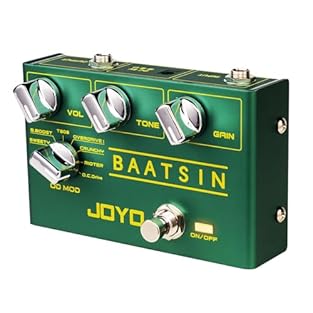
Overdrive pedals add warmth, grit and amplifier-like breakup to your guitar tone. They can be used as a light always-on tone enhancer, a bluesy crunch box, a mid-focused solo boost or a way to push a valve amp into richer saturation.
Different overdrive circuits have very different personalities, from transparent low-gain pedals to classic mid-hump designs and heavier modern drives. They are one of the most important pedal types because they respond to picking dynamics, guitar volume and the character of your amplifier.
Tags
analog pedals and related effects are commonly used by guitarists looking to shape their tone in a more focused and creative way. Different designs offer their own response, feel and tonal character depending on the style of music and the type of amplifier or guitar being used.
Many players build pedalboards gradually over time, combining different effects and utilities to create a setup that suits their own sound and workflow. analog related gear can play an important role in both live performance and studio recording.
Distortion pedals and related effects are commonly used by guitarists looking to shape their tone in a more focused and creative way. Different designs offer their own response, feel and tonal character depending on the style of music and the type of amplifier or guitar being used.
Many players build pedalboards gradually over time, combining different effects and utilities to create a setup that suits their own sound and workflow. Distortion related gear can play an important role in both live performance and studio recording.
Joyo pedals and related effects are commonly used by guitarists looking to shape their tone in a more focused and creative way. Different designs offer their own response, feel and tonal character depending on the style of music and the type of amplifier or guitar being used.
Many players build pedalboards gradually over time, combining different effects and utilities to create a setup that suits their own sound and workflow. Joyo related gear can play an important role in both live performance and studio recording.
multi effects pedals and related effects are commonly used by guitarists looking to shape their tone in a more focused and creative way. Different designs offer their own response, feel and tonal character depending on the style of music and the type of amplifier or guitar being used.
Many players build pedalboards gradually over time, combining different effects and utilities to create a setup that suits their own sound and workflow. multi effects related gear can play an important role in both live performance and studio recording.
Overdrive pedals recreate the sound of an amplifier being pushed harder, adding warmth, breakup and sustain while still responding naturally to picking dynamics and guitar volume changes. They are one of the most important and widely used pedal types in modern guitar rigs.
Different overdrive circuits offer very different flavours, from transparent low-gain boost-style pedals through to mid-focused classic rock tones and heavier amp-like saturation.
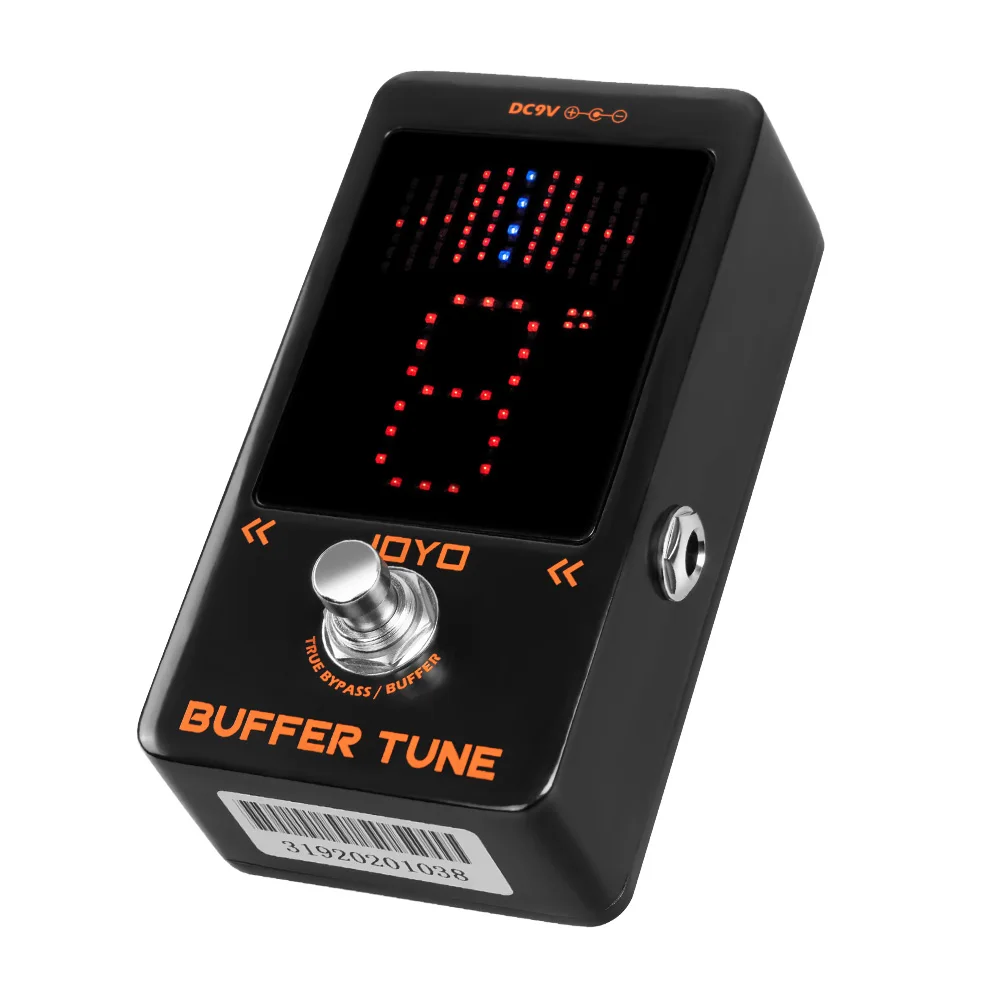
True bypass pedals route the guitar signal directly from input to output when the effect is switched off, helping preserve the original tone of the instrument when the pedal is not active. This became an important feature as pedalboards grew larger and players became more conscious of signal loss through long chains of effects.
Many boutique pedal builders and modern stompbox manufacturers use true bypass switching to keep the signal path as clean as possible. Some players still combine true bypass pedals with buffered pedals depending on cable length and the overall design of the rig.