Origin Effects BassRig Fifteen Amp Simulator and DI Pedal

£449.00

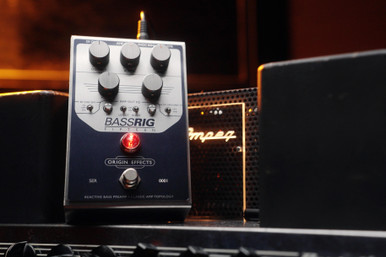
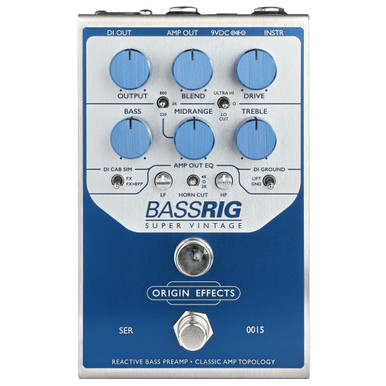
This is a New Origin Effects BassRig Fifteen Amp Simulator and DI Pedal from Origin Effects, listed in Amp & Cab Simulator Pedals on Just Pedals. Read More below.

View Just
more
and ,

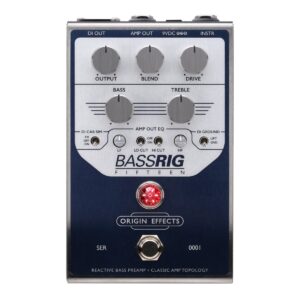
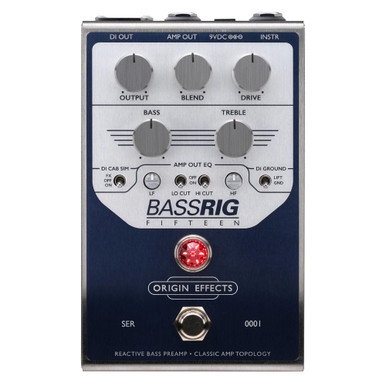
The BASSRIG Fifteen is an all-analogue amp simulator and DI pedal that provides bassists with authentic Ampeg B15 Portaflex tones, all in a compact package. The original Ampeg B-15 is a small, low-powered 1×15 valve combo, known for its warm and punchy sound. It’s revered as the sound of ‘60s soul music and considered to be the holy grail of recorded bass tones. A real favourite in the studio.

This pedal is the latest incarnation of our Amp Recreation circuitry – also seen in the RevivalDRIVE, DELUXE55 and other BASSRIG models – which uses carefully designed analogue circuitry to recreate the entire circuit of a vintage valve amp. This includes a simulated preamp, phase inverter, push-pull output stage, reactive load, rectifier sag and an all-analogue cabinet simulator. All this adds up to capture not only the sounds but also the feel of the B-15 amplifier, in the context of a modern DI rig.

The BASSRIG Fifteen also features our AMP OUT EQ circuit. This tweaks the sound from the ¼” output, getting you the unique response of the B-15’s ported cab, even with the most modern full-range bass amps. With premium quality components and a brushed stainless-steel enclosure, the BASSRIG Fifteen is built to the high standard you expect from Origin Effects.

Key Features

  • Faithfully recreates the sound and feel of the Ampeg B-15 amp
  • Complete, valve amp-style signal path recreated in all-analogue circuitry
  • Simulated push-pull power amp with reactive load
  • All-analogue 1×15 cabinet simulator and DI output
  • Extensive AMP OUT EQ controls ensure compatibility with any rig
  • BLEND knob to mix in clean signal
  • High-quality buffered bypass
  • Premium components throughout
  • Designed and built in England

Specifications

Physical

  • Weight: 846 g (1.86 lb)
  • Dimensions: 146 × 93 × 65 mm (5.74 x 3.6 x 2.5 in.) L x W x H – Includes knobs and switches

Electrical

  • Input Impedance: 1 MΩ
  • Output Impedance: 500 Ω
  • Current Draw: 150 mA

Power

  • Power Supply: 9V DC 2.1 mm centre-negative
Related videos

Brand

Origin Effects

In the current JustPedals catalogue, Origin Effects is represented by Compressor Pedals, Overdrive Pedals and Preamp & DI Pedals. Current listings include RevivalDRIVE Compact, Cali76 FET Compressor and Halcyon Gold Overdrive. That makes the range relevant to players looking for drive, gain and clipping, plus modulation and movement. Check each model for its exact circuit or processing platform, controls, power requirements and connections, particularly where the catalogue includes both pedals and supporting gear.

Category

Amp & Cab Simulator Pedals

Amp and cab simulator pedals model, emulate or approximate the gain, frequency response and dynamic behaviour of an amplifier and speaker cabinet. Some focus on a preamp voice; others combine power-amp behaviour, cabinet filtering, microphone placement and direct outputs. They can feed a power amp, effects return, mixer, interface or headphones, but the correct routing depends on the model. Check impulse-response support, bypass options, input headroom and how the pedal responds to playing level.

Tags

Analogue

Analogue products use continuous audio circuitry for some or all of the signal path, so clipping, filtering or modulation arises from physical components rather than sampled algorithms. The label does not guarantee a particular tone; component choice, headroom, bias, noise and the surrounding gain stages still matter. Check whether the switching, presets, control section or cabinet stage is digital when the exact signal path is important.

Bass

Bass products are designed or voiced to retain low-frequency information and usable headroom with bass guitar or other low-register sources. Controls may centre on clean blend, low-end EQ, compression, crossover points or drive character. A guitar pedal can sometimes work well on bass, but it may remove the fundamental or compress the transient. Check the frequency response, input impedance, output level and dry-signal path with the intended tuning and amplifier.