Brand
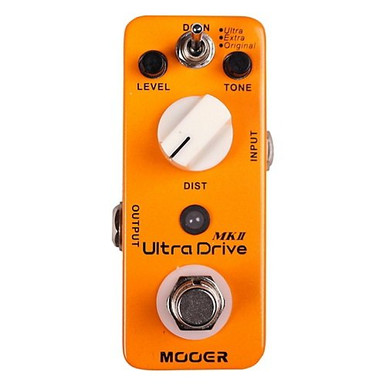
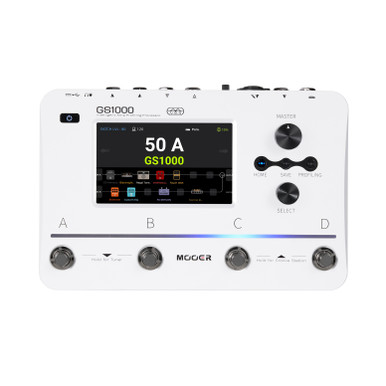
In the current JustPedals catalogue, Mooer is represented by Multi-Effects Pedals, Distortion Pedals and Multi Effects. Current listings include Baby Bomb 30, ABY and X2 Preamp. That makes the range relevant to players looking for drive, gain and clipping, plus time-based effects and ambience. Check each model for its exact circuit or processing platform, controls, power requirements and connections, particularly where the catalogue includes both pedals and supporting gear.
Category
Distortion pedals use stronger or more deliberate clipping than a typical overdrive, adding harmonics, compression and sustain. Some are voiced for amp-like crunch, others for high-gain rhythm or a deliberately abrasive texture. Gain, tone, presence, resonance and output controls determine how the pedal interacts with the amplifier and pickups; a blend or noise gate can preserve clarity in heavier settings. Placement changes the result, so check whether the design is intended to push an amp, run into a clean platform or feed a direct cabinet simulation.
Tags
True bypass removes the effect circuit from the audio path when bypassed, usually by mechanical, relay or switching circuitry. This can preserve the direct signal but does not automatically solve long-cable loading, and it may create a pop or leave no buffer for the rest of the board. Check the actual switching method, trails or spillover, input and output loading and the number of other true-bypass pedals in the chain.