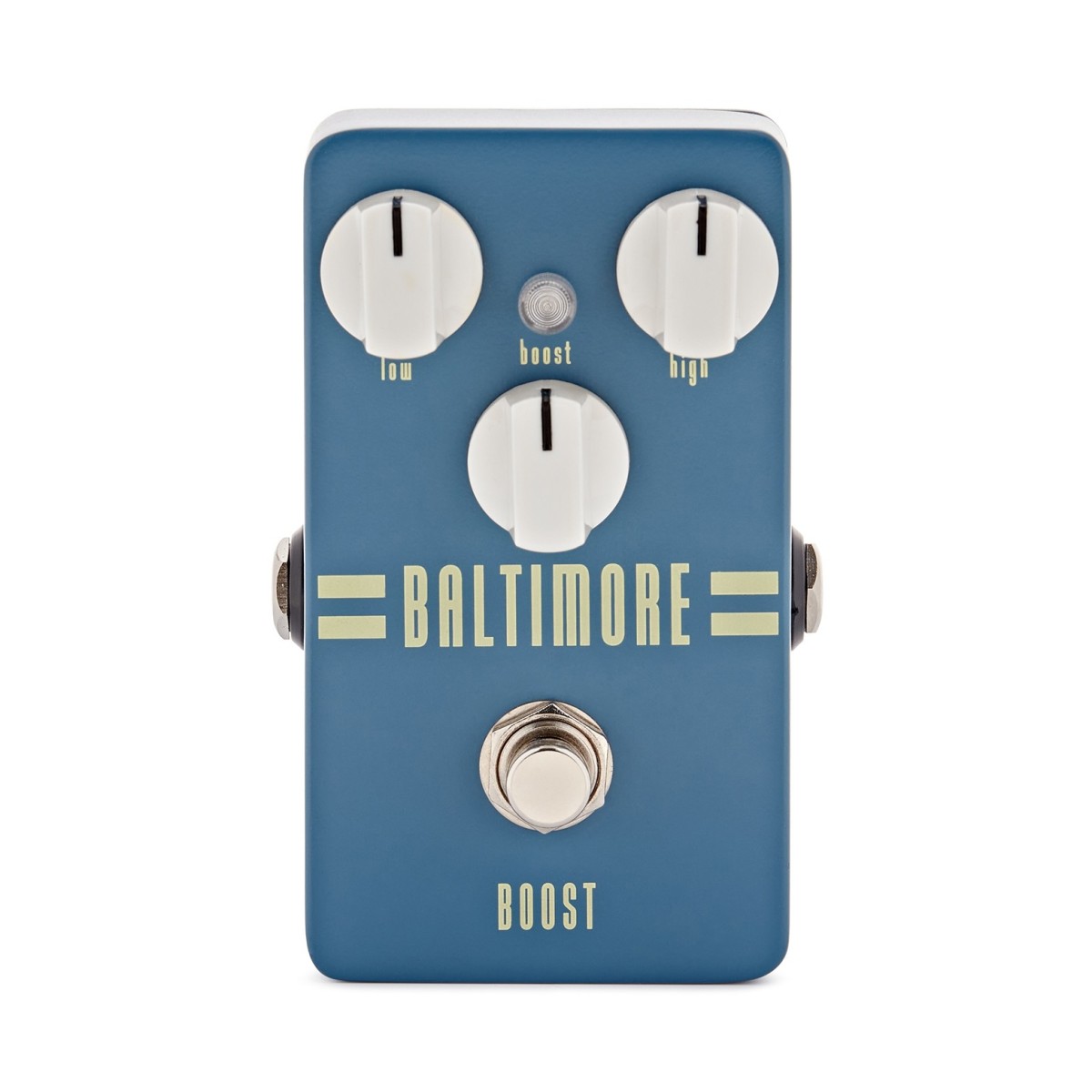
The Hartwood Baltimore Boost Pedal is designed for players who want more volume presence and control without colouring their core tone. Whether you are pushing your amp into breakup lifting your solos above the mix or adding a bit of sparkle to a clean rhythm this pedal gives you flexible amp-friendly boost with intuitive tone shaping. A single Boost control sets the gain level while Low and High EQ knobs let you tweak the tonal character to suit your rig. It is ideal for players who want extra punch without complication. The true bypass circuitry and rugged build make the Baltimore Boost a reliable and tone-safe addition to any pedalboard whether at home in the studio or on stage.
Hartwood Baltimore Boost Pedal
£22.99
This is a New Hartwood Baltimore Boost Pedal from Hartwood, listed in Boost Pedals on Just Pedals. Read More below.
View Just Hartwood
As an affiliate partner, we may earn a small commission when you buy through our links — at no extra cost to you.
Brand
Hartwood
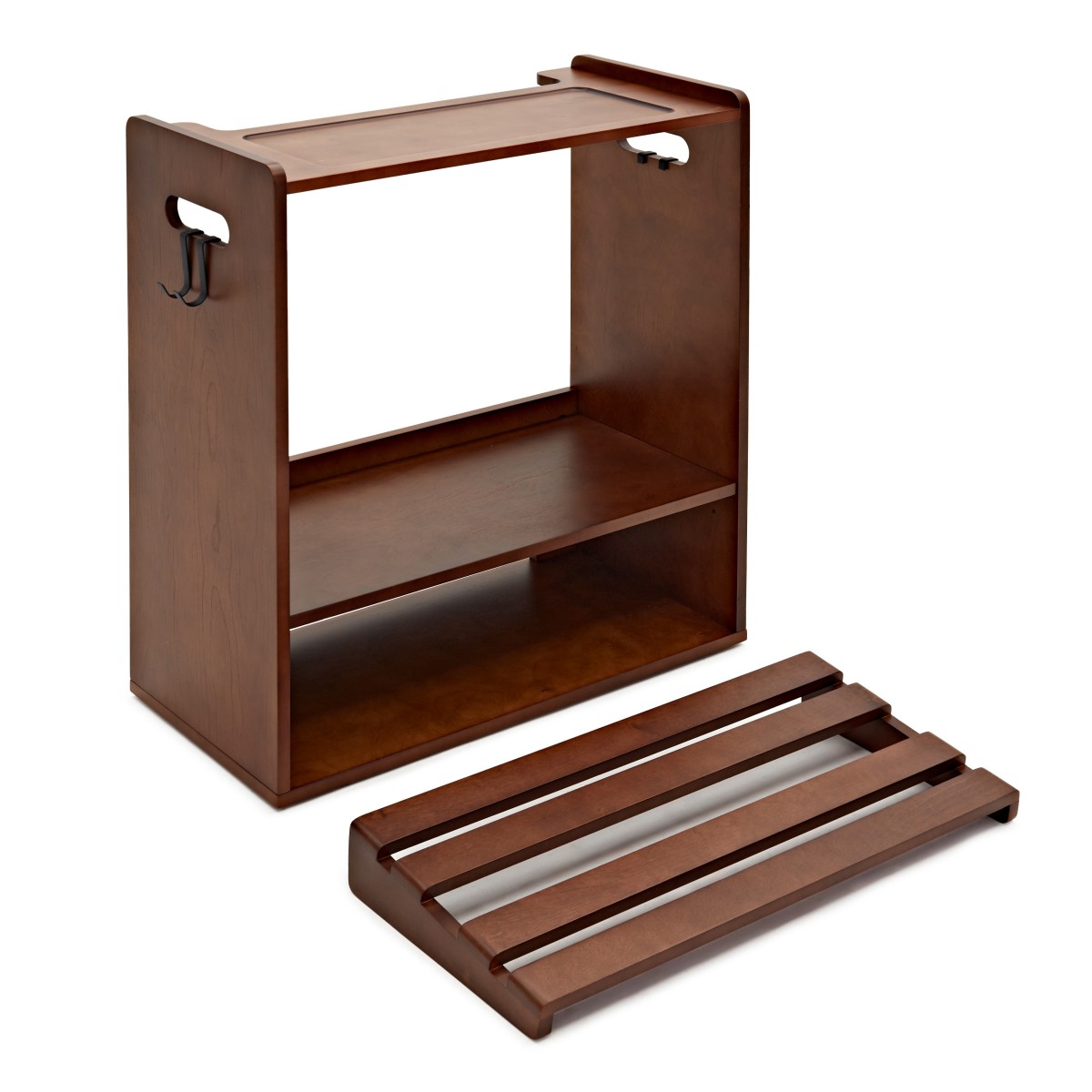
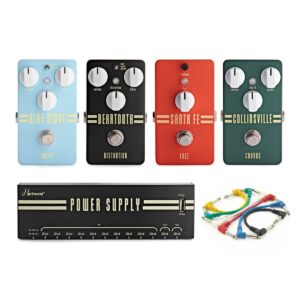
In the current JustPedals catalogue, Hartwood is represented by Pedalboards, Chorus Pedals and Distortion Pedals. Current listings include Pedalboard Large, Pedalboard Small and Mini Tuner. That makes the range relevant to players looking for drive, gain and clipping, plus time-based effects and ambience. Check each model for its exact circuit or processing platform, controls, power requirements and connections, particularly where the catalogue includes both pedals and supporting gear.
Category
Boost Pedals
Boost pedals raise signal level, add gain, or do both. A clean boost leaves most of the source voice alone and pushes the next stage harder; a coloured boost changes the frequency balance as it lifts the level, while a treble or mid boost can deliberately narrow the emphasis. Gain, output, tone, presence and headroom determine whether the pedal works as an always-on preamp or a solo lift. Placement matters: before an overdrive it increases clipping, after it mainly increases level, and into a clean amp it may simply make the rig louder.
Tags
Bass
Bass products are designed or voiced to retain low-frequency information and usable headroom with bass guitar or other low-register sources. Controls may centre on clean blend, low-end EQ, compression, crossover points or drive character. A guitar pedal can sometimes work well on bass, but it may remove the fundamental or compress the transient. Check the frequency response, input impedance, output level and dry-signal path with the intended tuning and amplifier.
True Bypass
True bypass removes the effect circuit from the audio path when bypassed, usually by mechanical, relay or switching circuitry. This can preserve the direct signal but does not automatically solve long-cable loading, and it may create a pop or leave no buffer for the rest of the board. Check the actual switching method, trails or spillover, input and output loading and the number of other true-bypass pedals in the chain.
Others Just Ordered :

- Mooer Meta FX – Review
- MOOER META FX Review: 3 Effects in 1—but Here’s the Problem

- I Wasn’t Expecting To Be Impressed – But What Is The Mooer Meta FX?

- Mooer // META FX Stereo Multi-Effect Platform (Demo)
- A NEW GENERATION OF PEDALS IS HERE – Mooer Meta FX Reverb Review
- Mooer META FX | All the REVERBS from subtle to WILD!