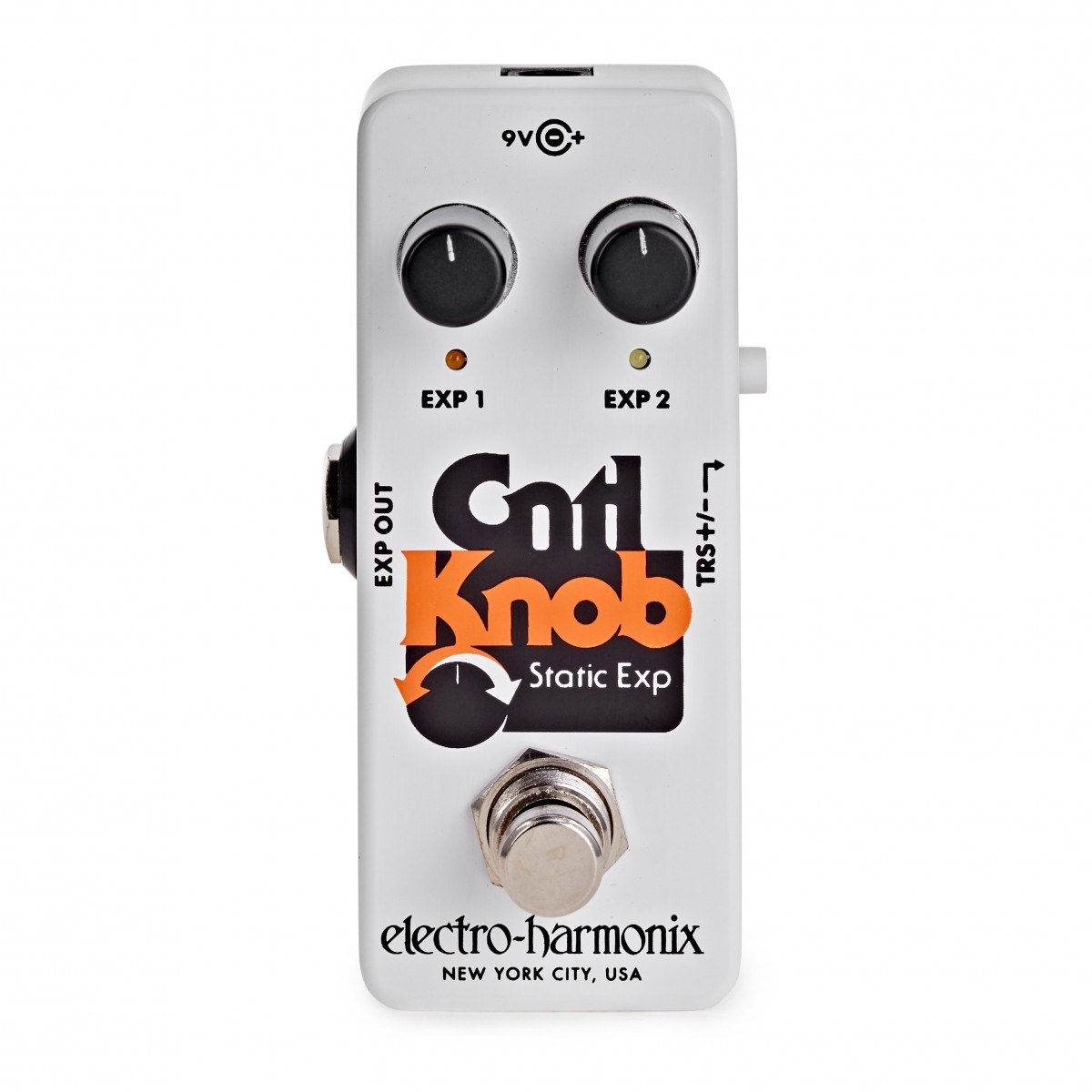
Express yourself. Like never before. The Electro Harmonix Cntl Knob Static Expression Pedal gives you versatile control of any device with expression control jacks. This is everything you want from an expression pedal at a fraction of the size. Powerful effects. All at the touch of a button. The Cntl Knob lets you set two preset values representing two positions of a traditional expression pedal. With one click you can toggle between them giving you access to a wealth of vastly different sounds. And with a TRS+/- switch on board the Cntl Knob proves highly flexible. This is everything you need to upgrade your rig.
Electro Harmonix Cntl Knob Static Expression Pedal
£45.00
This is a New Electro Harmonix Cntl Knob Static Expression Pedal from Electro Harmonix, listed in Expression Pedals on Just Pedals. Read More below.
View Just Electro Harmonix
As an affiliate partner, we may earn a small commission when you buy through our links — at no extra cost to you.
Related videos

Brand
Electro Harmonix
Founded by Mike Matthews in New York City in 1968, Electro-Harmonix became known for inventive effects that brought new sounds within reach of guitarists. Its first product was the LPB-1 Linear Power Booster; the company’s long-running catalogue ranges from fuzz and overdrive to delay, modulation, octave and experimental processing. JustPedals listings include the Small Clone chorus, Small Stone phaser, Memory Boy delay, POG 2 octave generator and Micro Q-Tron envelope filter. Check the exact version and power requirements when comparing EHX models, since familiar names often span different generations and formats.
Category
Expression Pedals
An expression pedal converts foot movement into a control signal rather than processing audio directly. It can sweep parameters such as delay time, modulation depth, pitch or volume on compatible equipment. Potentiometer value, wiring polarity, connector type and minimum-range controls must match the receiving device; some models provide multiple outputs or programmable MIDI control instead of a passive resistance.
Tags
Presets
Stores complete groups of parameter values for later recall. The number of locations, switching time, spillover behaviour and whether presets include routing, expression and MIDI assignments determine how completely one sound can change into another.
Others Just Ordered :
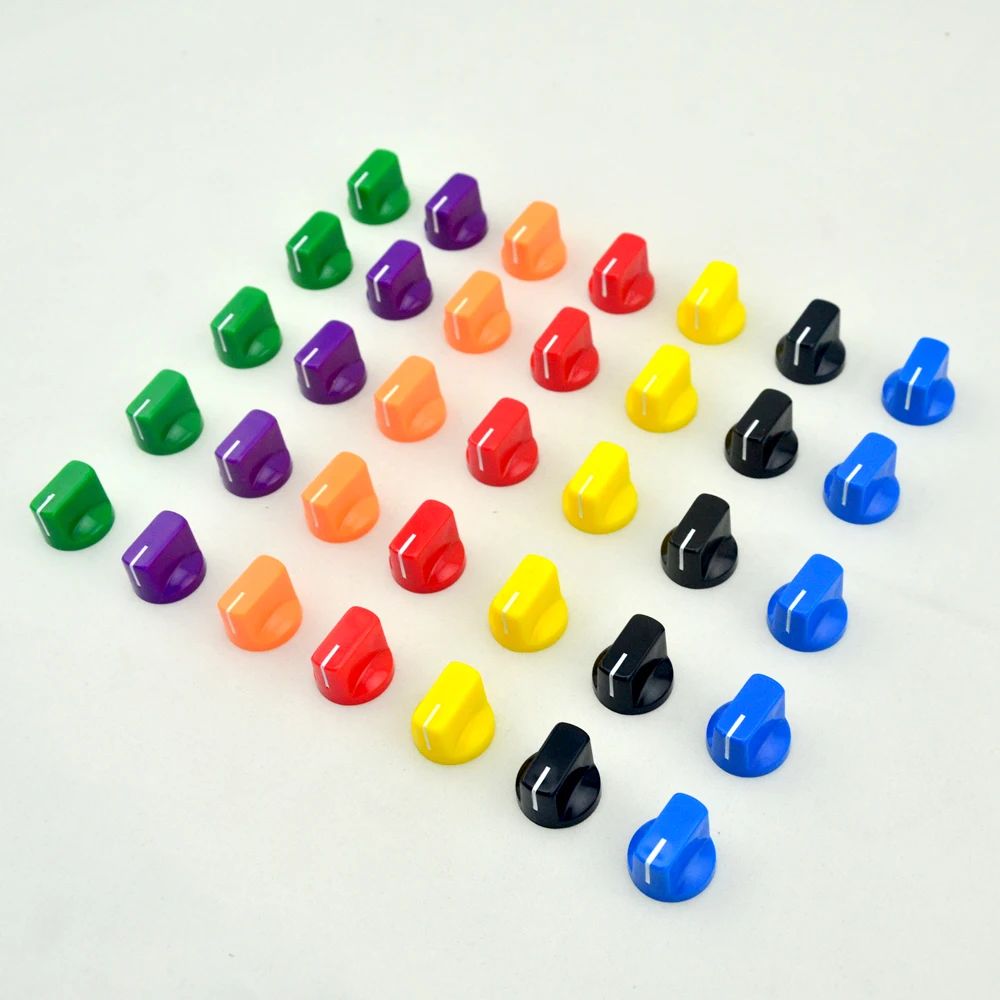 Guitar pedal effect potentiometer knob, 15 pcs/lot, 1510 style potentiometer knob set, screw 9 color
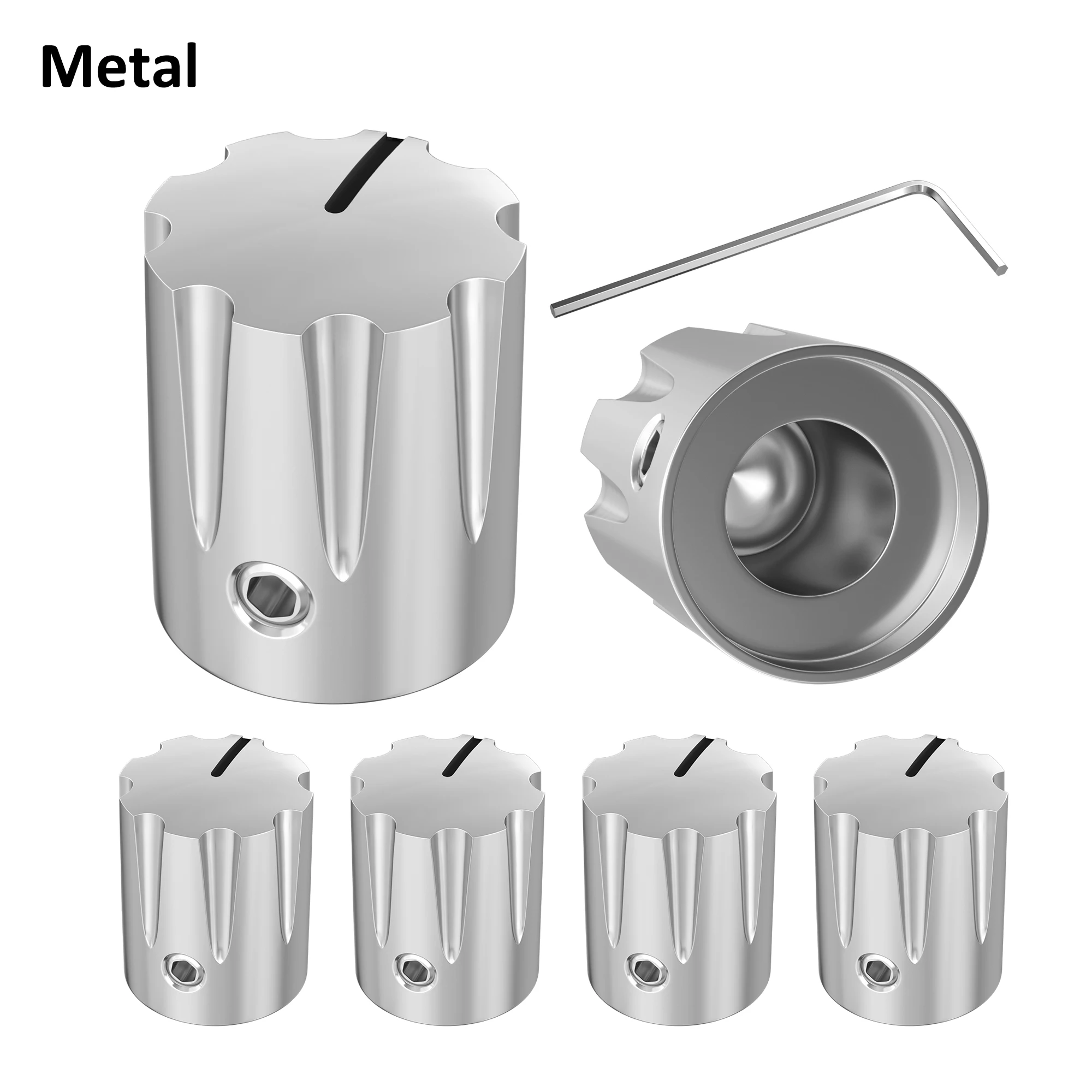 5PCS Metal Guitar Pedal Knob 1/4″ Shaft Potentiometer Knob Silver Amplifier Control Knob with Set Screw for Electric Guitar
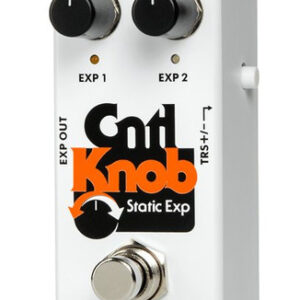 Electro Harmonix CNTL Knob Dual Static Expression Pedal
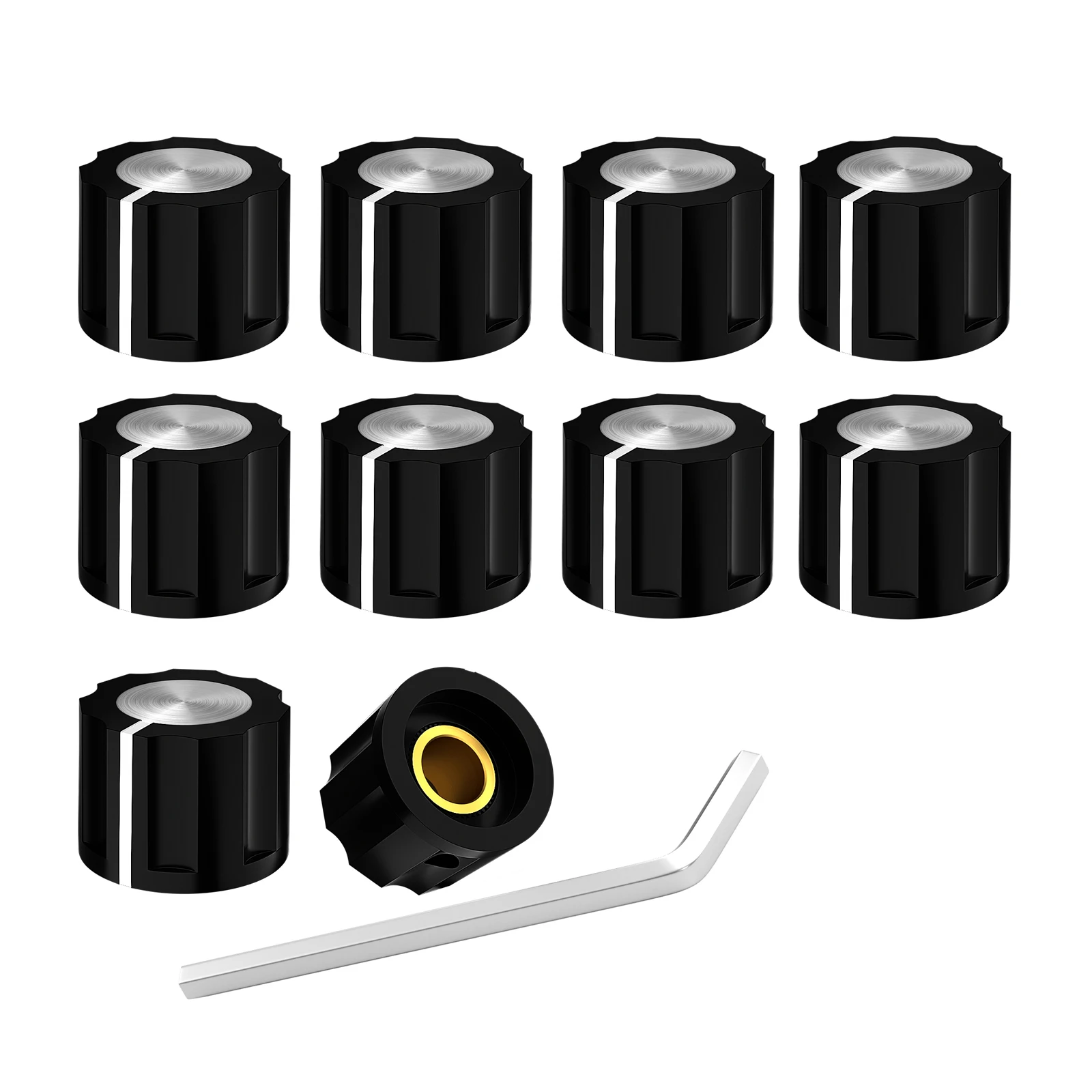 10PCS Silver Top Volume Control Knob Set Screw 6.35MM Shaft Plastic Knob for Potentiometer Guitar Effect Pedal Knob
- Mooer Meta FX – Review
- MOOER META FX Review: 3 Effects in 1—but Here’s the Problem

- I Wasn’t Expecting To Be Impressed – But What Is The Mooer Meta FX?

- Mooer // META FX Stereo Multi-Effect Platform (Demo)

- A NEW GENERATION OF PEDALS IS HERE – Mooer Meta FX Reverb Review

- Mooer META FX | All the REVERBS from subtle to WILD!