
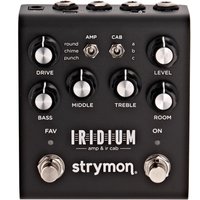
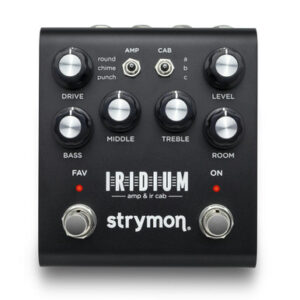
Introducing the worlds most advanced amp simulator. The Strymon Iridium Amp & IR Cab Simulator presents the future of guitar tone. Offering an unimaginable number of sonic possibilities for your sound along with enough tone-shaping capacity to satisfy musicians of absolutely every genre – the Strymon Iridium is born to inspire on stage and in the studio. Wave goodbye to the days of lugging your hefty amplifier around with you – because the Strymon Iridium lets you go direct into any PA or recording environment. And you can trust that your sound will incorporate the same feel response and character of your favourite amplifiers. Thanks to a 24 bit/96KHx converter (a world first for hardware) every detail of your tone will shine through and soar above the rest. And with Strymons free Impulse Manager software your creativity is totally free of restriction. Put simply its every tone youve fallen in love with. All in one convenient unit…
Strymon Iridium Amp & IR Cab Simulator
This is a New Strymon Iridium Amp & IR Cab Simulator from Strymon is in our Amp & Cab Simulator Pedals category on Just Pedals. Read More below.
As an affiliate partner, we may earn a small commission when you buy through our links — at no extra cost to you.
Related videos
Brand
Strymon
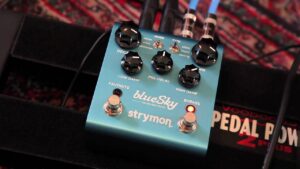
Strymon specialises in detailed digital effects and amp tools designed for pedalboard, studio and direct-recording setups. The company grew from the Damage Control team and is known for deep delay and reverb processing, alongside modulation, amp modelling and tape-inspired effects. JustPedals listings include the TimeLine delay, BigSky reverb, Iridium amp and cabinet simulator, Deco tape-saturation pedal, DIG dual delay and Flint tremolo and reverb. Strymon states its products are designed and built in the USA, in the Los Angeles area. Check MIDI, preset storage, stereo I/O and expression options when comparing its larger-format pedals.
Category
Amp & Cab Simulator Pedals
Amp and cabinet simulators reproduce the gain stages, tone stack, power-amp response, loudspeaker colour and microphone character of a recorded amplifier chain. Analogue circuits, digital models and impulse responses approach this in different ways. The important distinctions are the available amp and cabinet types, editable microphone or room settings, latency, output routing, preset recall and whether speaker simulation can be bypassed for a real amplifier.
Others Just Ordered :
- I Love A Happy Accident… – Animals Pedal

- Animals Pedal Vintage Van Driving is Very Fun Overdrive
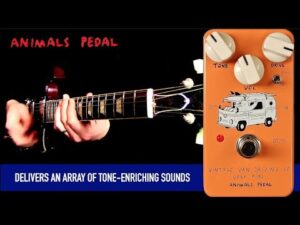
- Animals Pedal Sunday Afternoon Is Infinity Bender
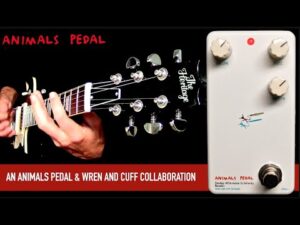
- Ninevolt Pedals | Bath Time Reverb (Animals Pedal)
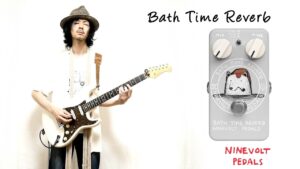
- This Fuzz Pedal Makes No Sense… But It Sounds Incredible

- ANIME Pedals | Animals Pedal Custom Illustrated Series