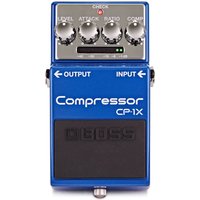
The Boss CP-1X Compressor is a guitar pedal which provides you with a new type of multiband compression that preserves the true character of your guitar including any techniques used. Equipped with Bosss multi-dimensional processing technology the CP-1X analyses your guitars input signal and offers advanced dynamic control that delivers a clean tone. Featuring a simple four knob layout this sturdy stompbox is packed full of next-generation tools that will be sure to add exceptional clarity to your performance. Its compact design means it sits well on any pedalboard and is ideal for both developing and established players. This pedal provides a classic tone with all the perks of modern technology and is great for use onstage at home or in the studio.
Boss CP-1X Compressor Pedal
This is a New Boss CP-1X Compressor Pedal from Boss is in our Compressor Pedals category on Just Pedals. Read More below.
As an affiliate partner, we may earn a small commission when you buy through our links — at no extra cost to you.
Related videos
Brand
Boss
BOSS began in Osaka in 1973 as MEG Electronics, a company dedicated to effects. Its first BOSS-branded effect was the CE-1 Chorus Ensemble in 1976; the OD-1, SP-1 and PH-1 launched the compact-effects series in 1977. The JustPedals catalogue includes familiar overdrives and distortions such as the OD-3, SD-1, BD-2, DS-1 and MT-2 Metal Zone, as well as utility items such as the PCS-20A cable. BOSS now spans compact pedals, multi-effects, loopers, tuners and controllers. Manufacturing origin should be checked by model rather than inferred from the brand’s Japanese history.
Category
Compressor Pedals
Compression reduces the difference between louder and quieter parts of the signal. It can restrain peaks, lift decaying notes and make picking feel more even, but strong settings also change the attack and add audible sustain or pumping. Threshold, ratio, attack, release and blend determine when gain reduction begins, how firmly it acts and how much natural transient detail remains.
Others Just Ordered :
- I Love A Happy Accident… – Animals Pedal
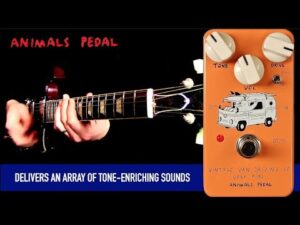
- Animals Pedal Vintage Van Driving is Very Fun Overdrive
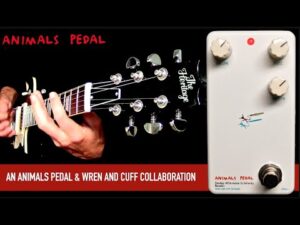
- Animals Pedal Sunday Afternoon Is Infinity Bender
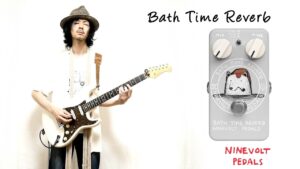
- Ninevolt Pedals | Bath Time Reverb (Animals Pedal)
- This Fuzz Pedal Makes No Sense… But It Sounds Incredible

- ANIME Pedals | Animals Pedal Custom Illustrated Series