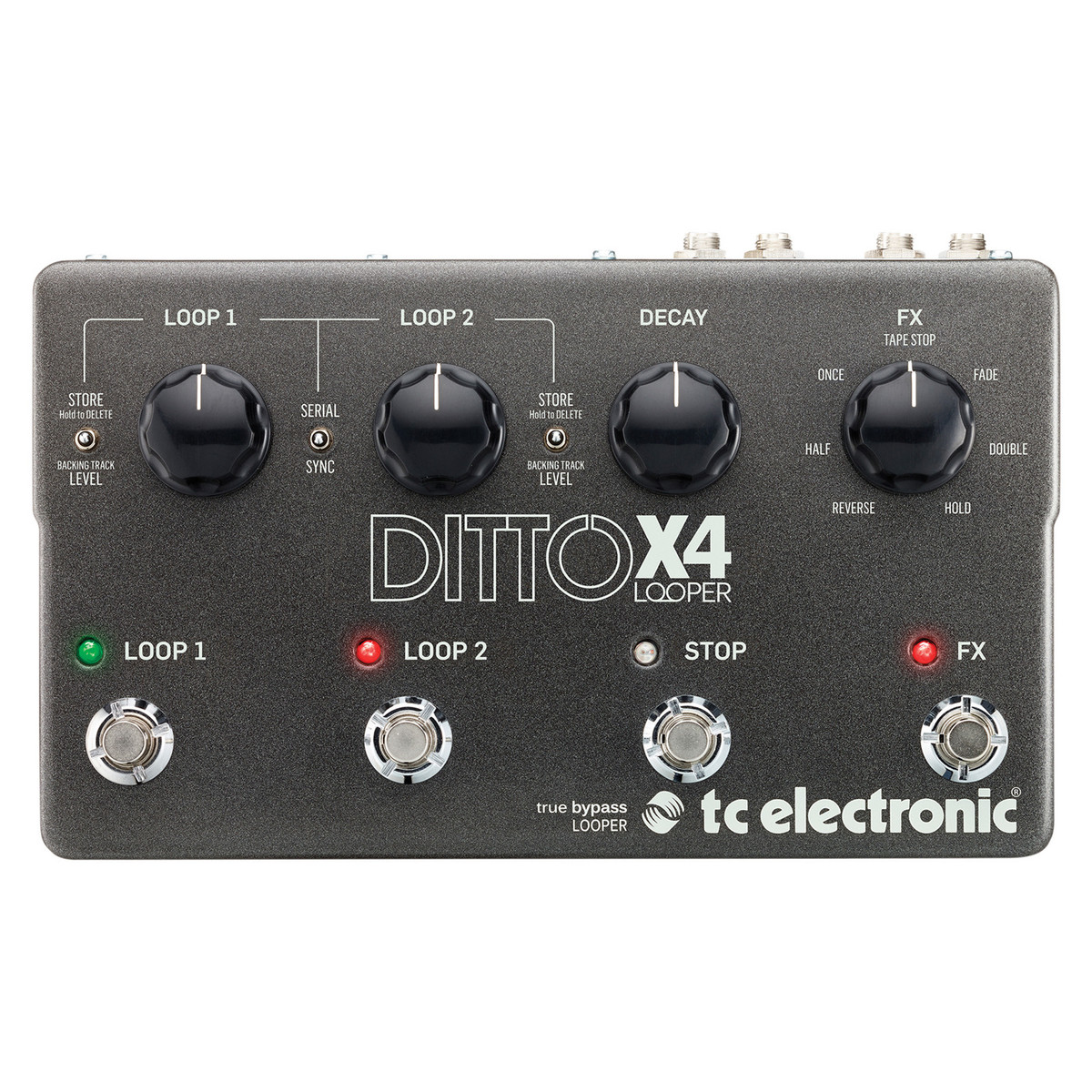
The TC Electronic Ditto X4 Looper is a looper designed specifically by guitarists for guitarists seamlessly combining ease of use with endless creative possibilities. The TC Electronic Ditto X4 Looper also features dual loop tracks 7 loop effects loop decay and MIDI sync. Additionally the Ditto X4 Looper boasts a true bypass and analog dry-through signal path helping to ensure your tone remains consistent and exactly how you intended it to sound.
TC Electronic Ditto X4 Dual Track Looper Pedal
£149.99
This is a New TC Electronic Ditto X4 Dual Track Looper Pedal from TC Electronic, listed in Looper Pedals on Just Pedals. Read More below.
View Just TC Electronic
As an affiliate partner, we may earn a small commission when you buy through our links — at no extra cost to you.
Related videos
Brand
TC Electronic
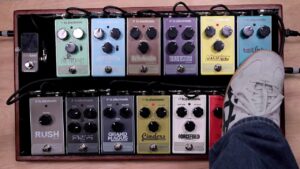
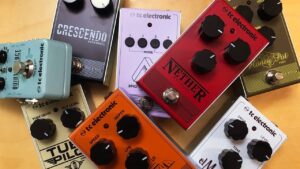
Founded in Denmark in 1976 by brothers Kim and John Rishoj, TC Electronic first made its mark with the Stereo Chorus Flanger (SCF), prized for its transparent modulation. The company later developed the TC 2290 digital delay, a landmark studio processor, and extended its guitar range with compact effects, loopers and TonePrint-enabled pedals. JustPedals listings include the MojoMojo overdrive, Dark Matter distortion, Spark Booster, Ditto X2 looper and Flashback Triple Delay. TC Electronic now covers guitar, bass and voice products, so compare the exact model’s stereo routing, presets and control method.
Category
Looper Pedals
A looper records a passage and plays it back repeatedly so additional parts can be overdubbed over the cycle. Loop length, audio quality, storage and the number of independent tracks define the basic capability. Undo, quantisation, synchronisation, rhythm guides, reverse and half-speed functions determine how recordings can be corrected, transformed and aligned with other equipment.
Tags
Analogue
The signal is shaped by continuously varying electronic circuitry rather than being converted into a digital effect algorithm. Component choice, operating voltage and circuit tolerances influence headroom, noise, clipping texture and the small variations in response between designs.
MIDI
Sends, receives or responds to Musical Instrument Digital Interface messages rather than carrying the instrument audio itself. Program changes recall presets, continuous controllers move parameters, and MIDI clock or transport messages synchronise timing between devices.
True Bypass
Connects input directly to output through mechanical or relay switching when the effect is off, removing the active circuit from the audio path. It avoids buffer colour but leaves cable capacitance and switching design to influence high-frequency loss and possible switching noise.
Others Just Ordered :
- Mooer Meta FX – Review

- MOOER META FX Review: 3 Effects in 1—but Here’s the Problem

- I Wasn’t Expecting To Be Impressed – But What Is The Mooer Meta FX?

- Mooer // META FX Stereo Multi-Effect Platform (Demo)

- A NEW GENERATION OF PEDALS IS HERE – Mooer Meta FX Reverb Review

- Mooer META FX | All the REVERBS from subtle to WILD!