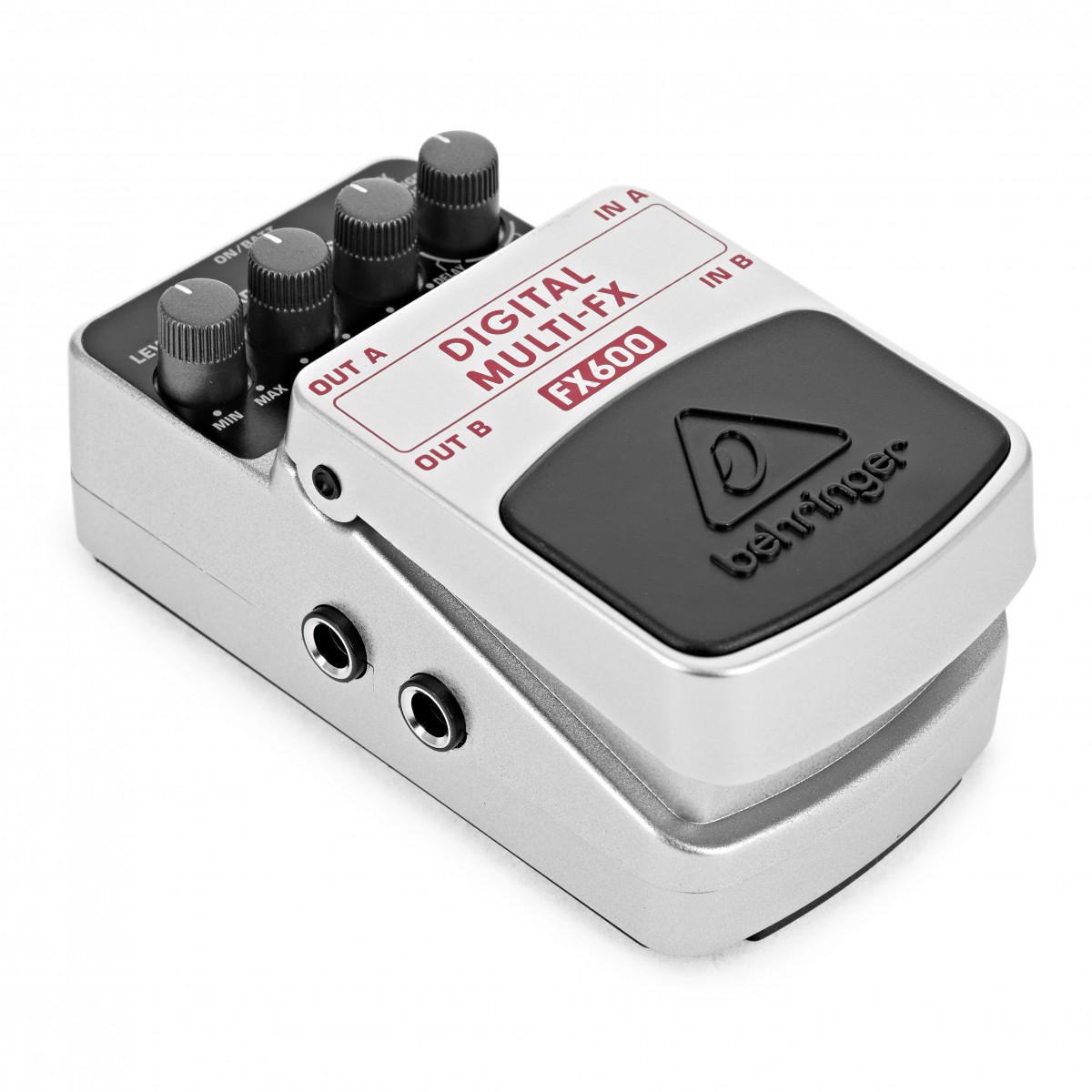
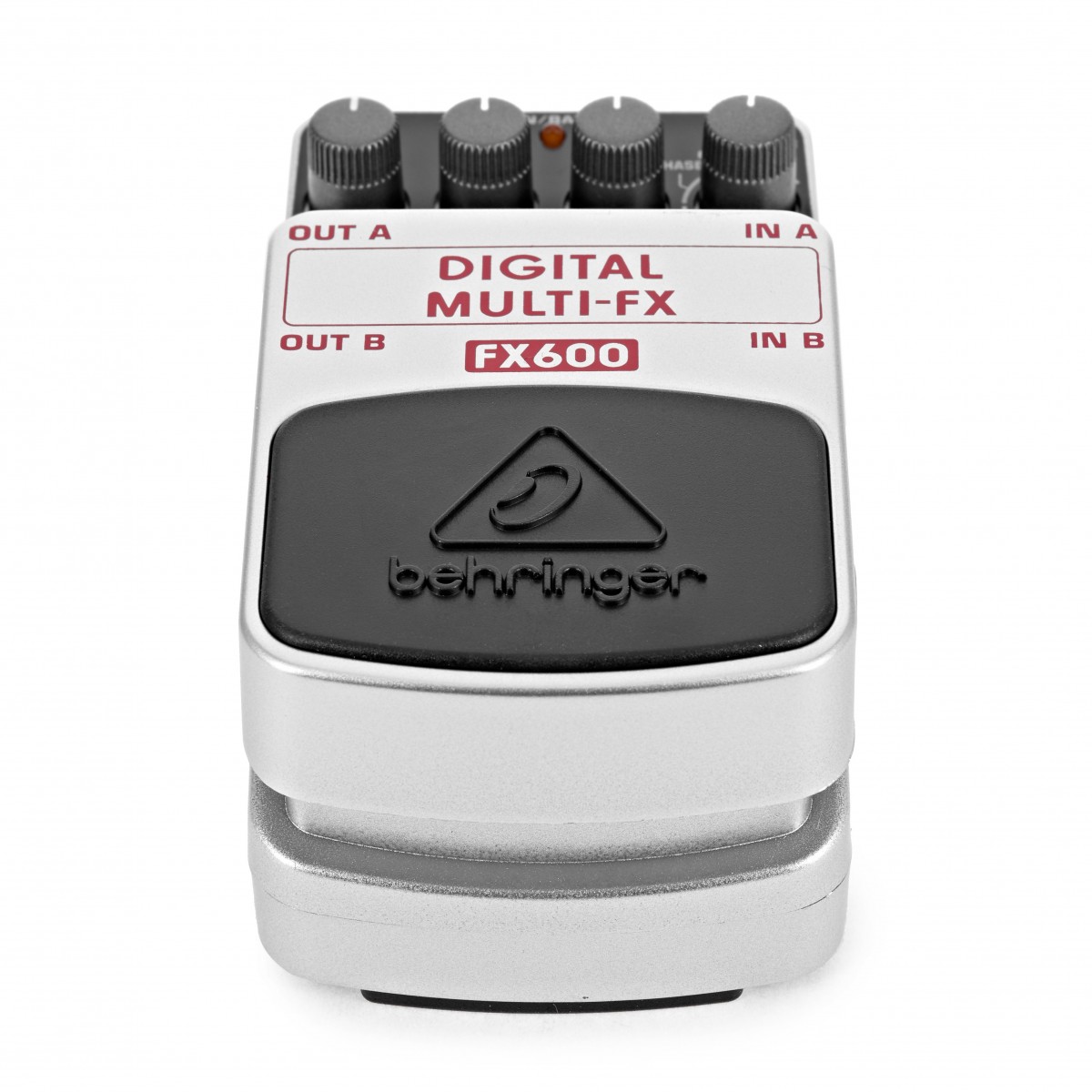
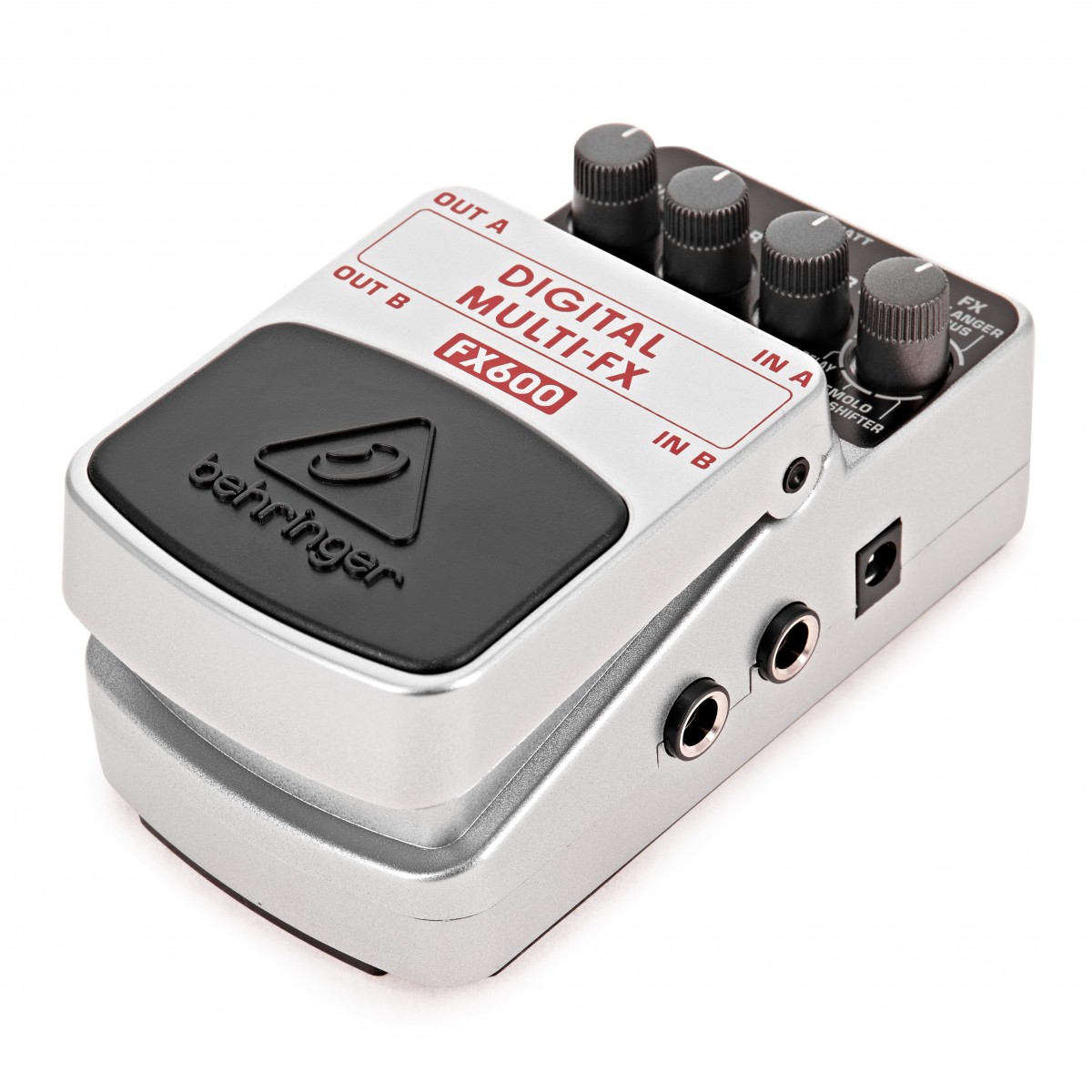
Behringer FX600 Digital Multi-FX Pedal

£29.00

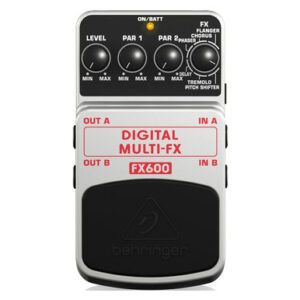
JustPedals serve up a tasty Multi Effects. A solid Multi Effects and Delay that stands out amongst other Multi Effects Pedals on the JustPedals menu. Behringer make great Multi Effects Pedals, so If you like Multi Effects and Delay, then a Behringer FX600 Digital Multi-FX Pedal is the perfect Multi Effects to order in. Read More details Below.


Description

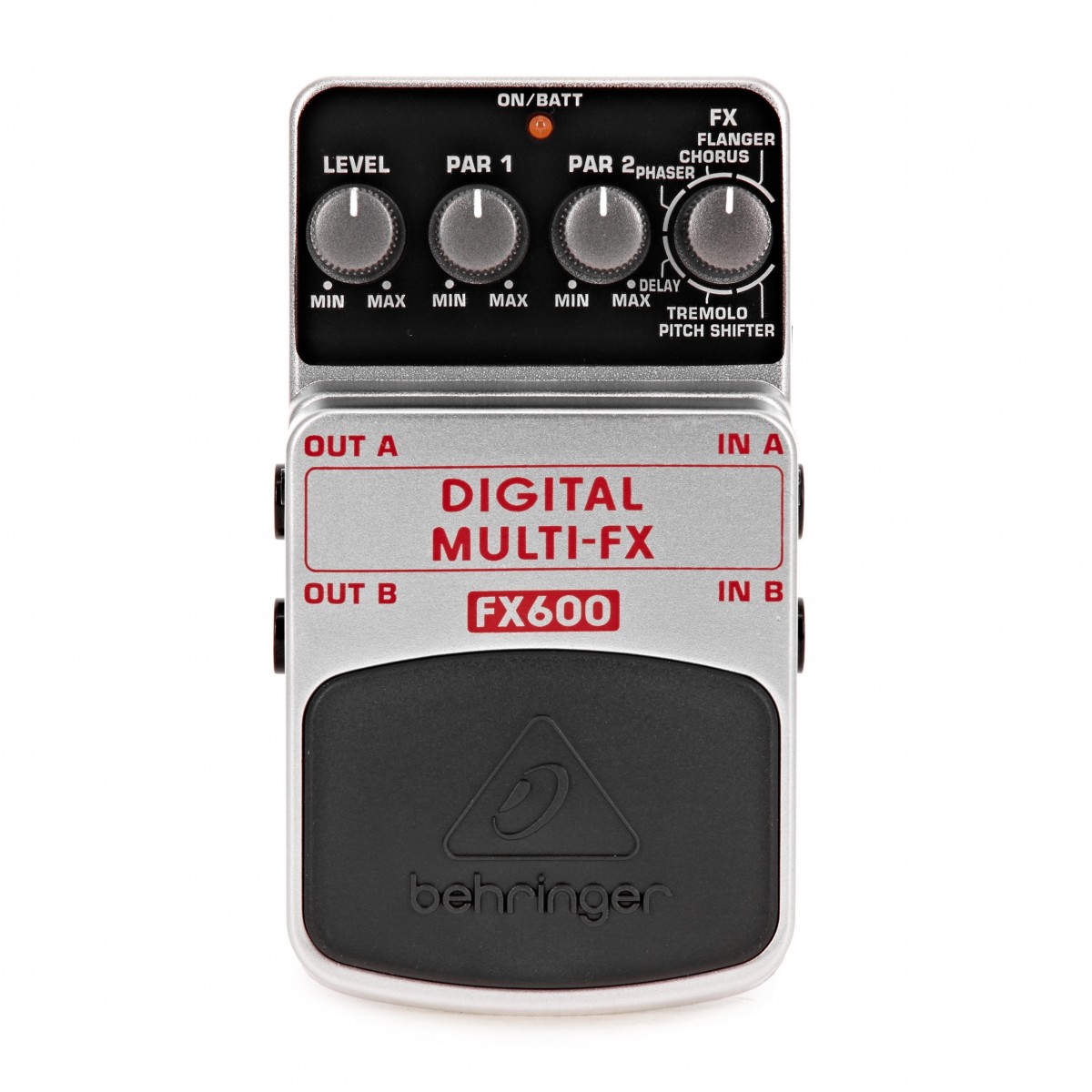
This tasty Multi Effects number is delivered to your pedal board. A tasty Multi Effects and Delay that stands out amongst other Multi Effects Pedals on the menu. Behringer make great Multi Effects Pedals, so If you like Multi Effects and Delay, then a Behringer FX600 Digital Multi-FX Pedal is the perfect Multi Effects to order in. The Behringer FX600 Digital Multi-FX Pedal is a compact footswitch packed with a wide variety of effects. Thanks to these effects such as flanger chorus phaser delay tremolo and pitch shifter you are able to discover its tonal possibilities in order to find your own signature sound. The FX600 truly brings your sound to life with the 24-bit/40kHz resolution offering the purest performance possible. This pedal operates two ways using a 9V battery or using the Behringer PSU-SB DC power supply which is sold separately. Discover your style.
Related videos

Brand

Behringer

Behringer is a prominent manufacturer of audio equipment, including mixers, amplifiers, signal processors, synthesizers, and digital effects units, known for their affordability and wide range of products. Founded in 1989 by Uli Behringer, the company has grown rapidly to become one of the largest manufacturers of audio equipment in the world.

Behringer’s product lineup covers a broad spectrum of audio equipment, catering to musicians, audio engineers, DJs, and live sound professionals. The company offers a variety of mixers, ranging from compact analog mixers for home studios to digital mixers with advanced features for live sound and recording applications.

In addition to mixers, Behringer produces a wide range of amplifiers, including guitar amps, bass amps, and powered PA speakers, as well as signal processors such as equalizers, compressors, and effects units. Behringer synthesizers, like the DeepMind series, have also gained popularity for their affordability and impressive sound quality.

Behringer is known for its commitment to providing high-quality audio equipment at affordable prices, making professional-grade gear accessible to a wide range of musicians and audio enthusiasts. However, the brand has also faced criticism and controversy over issues related to intellectual property rights and product cloning. Despite this, Behringer’s extensive product lineup continues to be popular among musicians and audio professionals seeking reliable and affordable audio solutions.

Category

Electric Guitars

Guitar Multi Effects

Guitars

Multi Effects Pedals

Tags

Chorus

A chorus pedal thickens and widens your tone by subtly duplicating your signal and shifting it slightly out of tune and time. The result is movement — shimmering cleans, liquid arpeggios, and that unmistakable 80s swirl that makes single notes feel fuller and chords sound expansive. From gentle sparkle to deep, watery modulation, chorus adds dimension without overwhelming your core sound.

Use it to bring life to clean passages, soften driven tones, or create spacious textures that sit beautifully in a band mix. Whether you’re after subtle depth or bold, warbling character, a chorus pedal is a simple way to make your guitar sound bigger, richer, and more immersive.

Delay

A delay pedal records your signal and plays it back after a set time, creating echoes that can range from tight, slapback repeats to long, atmospheric trails. It’s one of the most versatile effects, used to thicken tones, add rhythmic depth, or build spacious, ambient layers. Analogue delays offer warm, decaying repeats that blend naturally with your tone, while digital units provide pristine echoes with precise control over time, feedback, and mix levels.

From classic rockabilly and tape-style echoes to modern looping and shimmer effects, delay pedals have become essential tools for shaping sound. They can make solos soar, rhythms pulse, or transform simple chord progressions into cinematic textures. Whether used subtly to add dimension or boldly to create soundscapes, a good delay pedal can completely redefine the feel and atmosphere of your music.

digital

Flanger

A flanger is a type of guitar effects pedal used to create a swirling, whooshing sound by modulating the phase of an audio signal. It works by combining the original signal with a slightly delayed and modulated version of itself. As the two signals interact, they create peaks and troughs in the frequency spectrum, resulting in the characteristic “jet plane” or “swooshing” sound associated with flanging.

Key features of a flanger pedal include:

1. **Rate**: Controls the speed at which the delayed signal is modulated. Higher rates produce faster modulation, while lower rates create slower, more subtle effects.

2. **Depth**: Adjusts the intensity of the modulation effect. Higher depth settings result in more pronounced sweeps, while lower settings produce a gentler effect.

3. **Manual (or Range)**: Sets the center frequency of the modulation. This control allows you to focus the effect on specific frequency ranges, altering the tonal character of the flanging.

4. **Feedback (or Regeneration)**: Determines the amount of modulated signal that is fed back into the effect. Increasing feedback can create more pronounced peaks and troughs, resulting in a more intense effect.

Flanger pedals are commonly used in various music genres, including rock, metal, and psychedelic music, to add movement, depth, and texture to guitar tones. They can be used subtly to add a touch of modulation and dimension to a guitar sound, or more prominently to create dramatic swirling effects. Overall, flanger pedals offer guitarists a versatile tool for shaping and enhancing their tone, adding a dynamic and expressive element to their playing.

multi effects

Phaser

A phaser is a type of guitar effects pedal that creates a swirling, sweeping sound by modulating the phase of the audio signal. It works by splitting the incoming signal into two paths, shifting the phase of one path, and then recombining them. This creates peaks and troughs in the frequency spectrum, resulting in a distinctive, “phasing” effect characterized by moving notches in the frequency response.

Here’s how a phaser pedal typically works and some common features:

1. **Rate**: The rate control adjusts the speed at which the phase-shifting effect oscillates. Increasing the rate produces faster modulation, creating a more pronounced swirling effect, while decreasing the rate slows down the modulation for a smoother, more subtle effect.

2. **Depth**: The depth control adjusts the intensity or depth of the phase-shifting effect. Higher depth settings result in more pronounced peaks and troughs in the frequency response, while lower settings produce a more subtle modulation.

3. **Feedback (or Regeneration)**: Some phaser pedals feature a feedback control that determines the amount of modulated signal fed back into the effect. Increasing the feedback creates more pronounced peaks and troughs in the frequency spectrum, resulting in a more intense and resonant phasing effect.

4. **Stages**: Phasers typically have multiple stages (usually four, six, or eight), each of which contributes to the overall phase-shifting effect. More stages generally result in a more complex and textured phasing sound.

5. **Sweep (or Manual)**: The sweep control adjusts the center frequency of the phase-shifting effect. This allows you to focus the phasing effect on specific frequency ranges, altering the tonal character of the modulation.

6. **Resonance (or Feedback)**: Some phaser pedals feature a resonance control that emphasizes the peaks and troughs in the frequency response, creating a more pronounced and resonant effect. This control can add richness and depth to the phasing sound.

Phaser pedals are commonly used in various music genres, including rock, funk, and psychedelic music, to add movement, depth, and texture to guitar tones. They can be used to create swirling, swirling effects on rhythm parts, add dynamics to lead lines, or create atmospheric textures for ambient music. Overall, phaser pedals offer guitarists a versatile tool for shaping their tone and adding expressive modulation effects to their playing.

Pitch Shifter

Tremolo

A tremolo pedal modulates the volume of your guitar signal up and down in a rhythmic pattern, creating a pulsing or wavering effect that can sound vintage and hypnotic or sharp and choppy depending on the settings. It’s one of the oldest effects in guitar history, famously used on classic amps from the 1950s and ’60s.

Most tremolo pedals let you control the speed, depth, and wave shape, allowing you to go from smooth, subtle swells to intense stuttering tones. It’s a simple but expressive effect that adds movement and character to your sound.