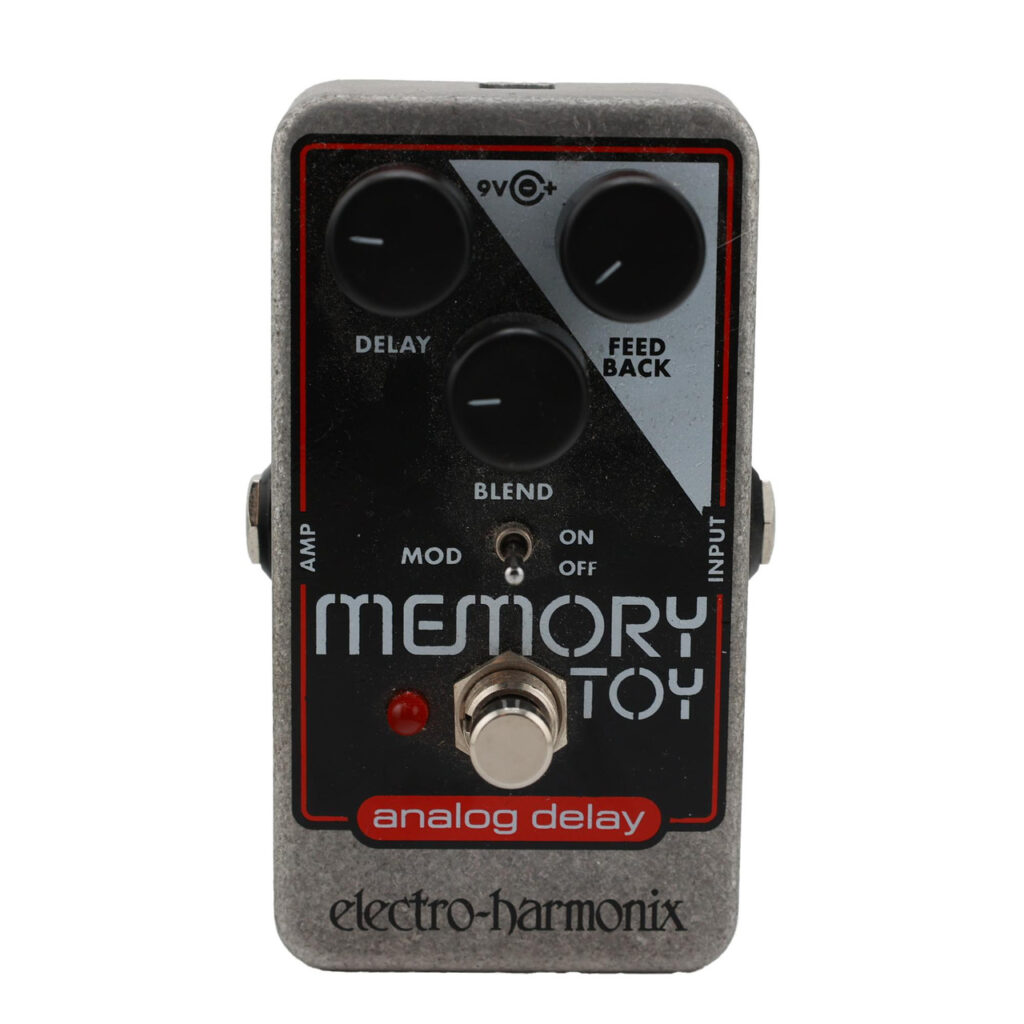
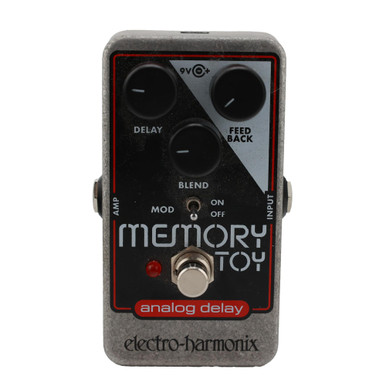



Condition: Loved The item is in good condition but does display signs of use. This may include light scratches and scuffs to the enclosure, cosmetic wear to the knobs and switches and minor scuffs/scratches to any screens that are barely noticeable.Includes the original Box This instrument comes with the original box; the condition of the box will be shown in the pictures.



Second Hand Electro Harmonix Memory Toy Nano Echo Chorus Pedal #419
£59.00
This is a Used Second Hand Electro Harmonix Memory Toy Nano Echo Chorus Pedal #419 from Electro Harmonix, available in the Chorus Pedals category this Christmas on the JustPedals board. Read More below to get the latest prices, demos and how to order for fast delivery to all areas of the UK.
View Just Electro Harmonix
As an affiliate partner, we may earn a small commission when you buy through our links — at no extra cost to you.
Related videos

Brand
Electro Harmonix
Founded by Mike Matthews in New York City in 1968, Electro-Harmonix became known for inventive effects that brought new sounds within reach of guitarists. Its first product was the LPB-1 Linear Power Booster; the company’s long-running catalogue ranges from fuzz and overdrive to delay, modulation, octave and experimental processing. JustPedals listings include the Small Clone chorus, Small Stone phaser, Memory Boy delay, POG 2 octave generator and Micro Q-Tron envelope filter. Check the exact version and power requirements when comparing EHX models, since familiar names often span different generations and formats.
Category
Chorus Pedals
Chorus mixes the dry signal with one or more short, continuously modulated delays. The small pitch and timing movement between the paths creates width, shimmer and the impression of several instruments playing together. Rate controls the modulation speed, depth controls its excursion, and delay or mix settings determine whether the result is subtle thickening, a liquid wobble or a broad stereo image.
Tags
Delay
Creates one or more time-separated copies of the signal. Delay time sets their spacing, feedback determines how many repeats continue, and filtering, modulation or saturation decides whether successive echoes remain clean, darken, wobble or break apart.