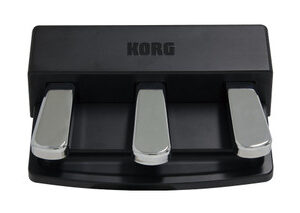
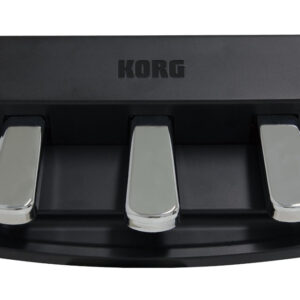
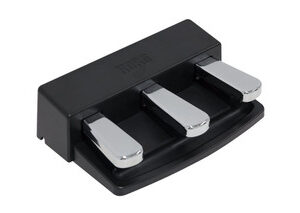
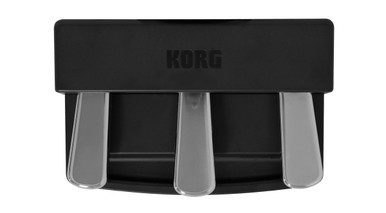
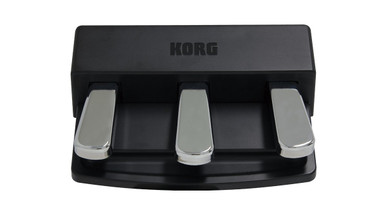
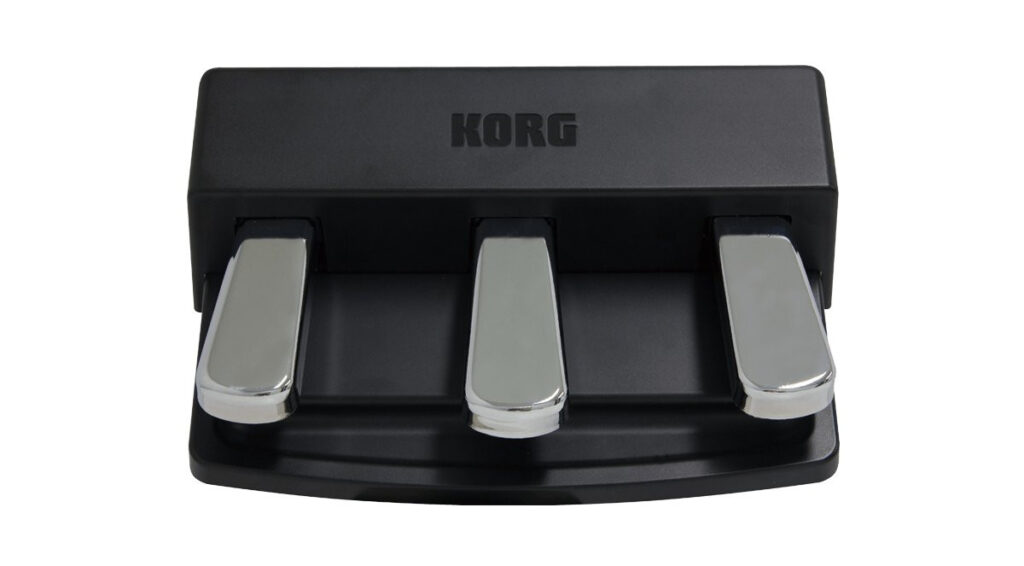
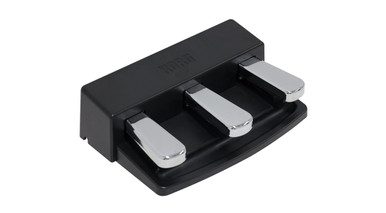
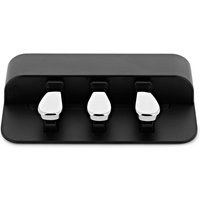
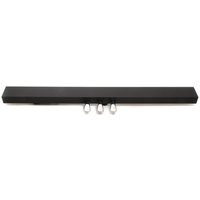
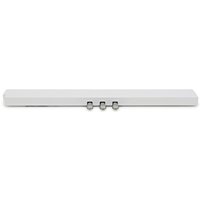
Korg PU-2 Freestanding 3 Pedal Unit for Digital Pianos

£59.00

This is the Korg PU-2 Freestanding 3 Pedal Unit for Digital Pianos from Korg, listed in Specialist Effects Pedals on Just Pedals. Read More below.

View Just
more
and

Here's What Korg Say About the PU-2 Pedal Unit

A pedal unit with three pedals, ideal for piano practice

  •  Three pedals: damper, sostenuto, and soft.
  • Cable with dedicated connector for connection to KORG electronic pianos.
  • Compatible models: B1, SP-280, LP-180

Specifications

  • Dimensions (W x D x H)L 234 x 152 x 73 mm/9.21” x 5.98” x 2.87”
  • Weight: 720 g/1.59 lbs.

Related videos

Brand

Korg

Korg is a renowned manufacturer of musical instruments, electronic music equipment, and audio processors, known for their innovation, quality, and diverse product range. Founded in 1962 in Japan, Korg has played a significant role in shaping the music industry with its pioneering electronic instruments and digital technology.

Among Korg’s extensive product lineup, their synthesizers and keyboards stand out as some of the most iconic and influential in the world. From classic analog synthesizers like the MS-20 and the Minilogue to modern digital workstations like the KRONOS series, Korg synthesizers offer musicians a wide range of sounds and creative possibilities.

In addition to synthesizers, Korg produces a variety of other musical instruments, including digital pianos, electronic drums, and guitar effects pedals. The company also offers a range of audio processors and recording equipment, such as digital mixers, MIDI controllers, and software applications designed for music production and performance.

With a commitment to innovation, quality, and accessibility, Korg continues to be a trusted name in the music industry, providing musicians, producers, and enthusiasts with cutting-edge technology and inspiring tools to fuel their creativity.

Category

Specialist Effects Pedals

Specialist effects alter the signal in ways that do not sit cleanly inside one established family. They may use granular processing, frequency shifting, resonators, freeze or sustain, bit reduction, ring modulation, feedback networks or combinations of several techniques. The relevant distinction is the underlying process, its tracking or latency, and how completely the dry signal can be blended or replaced.

Tags

Digital

Converts the signal or control process into numerical data for algorithmic processing. Digital designs can provide precise timing, long memory, complex routing and repeatable presets; sample rate, conversion, internal resolution and latency influence fidelity and response.