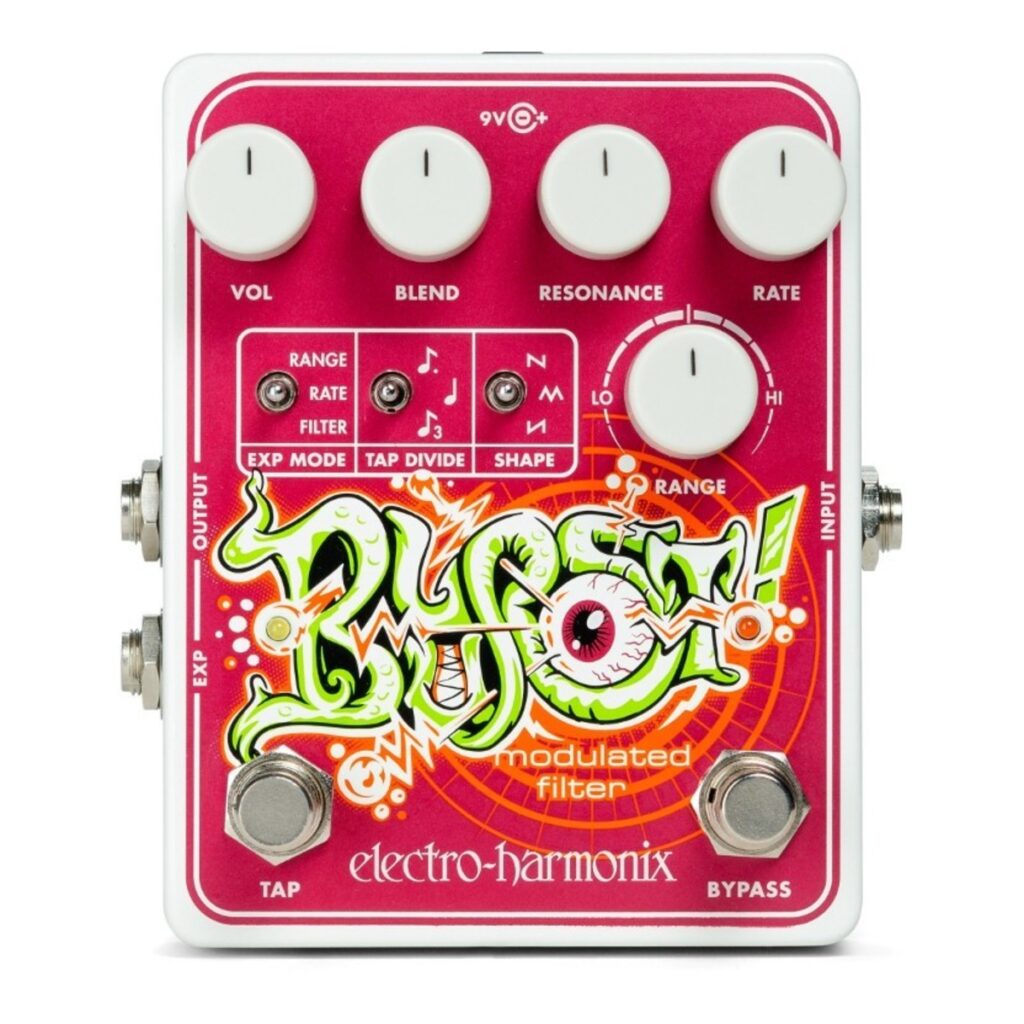
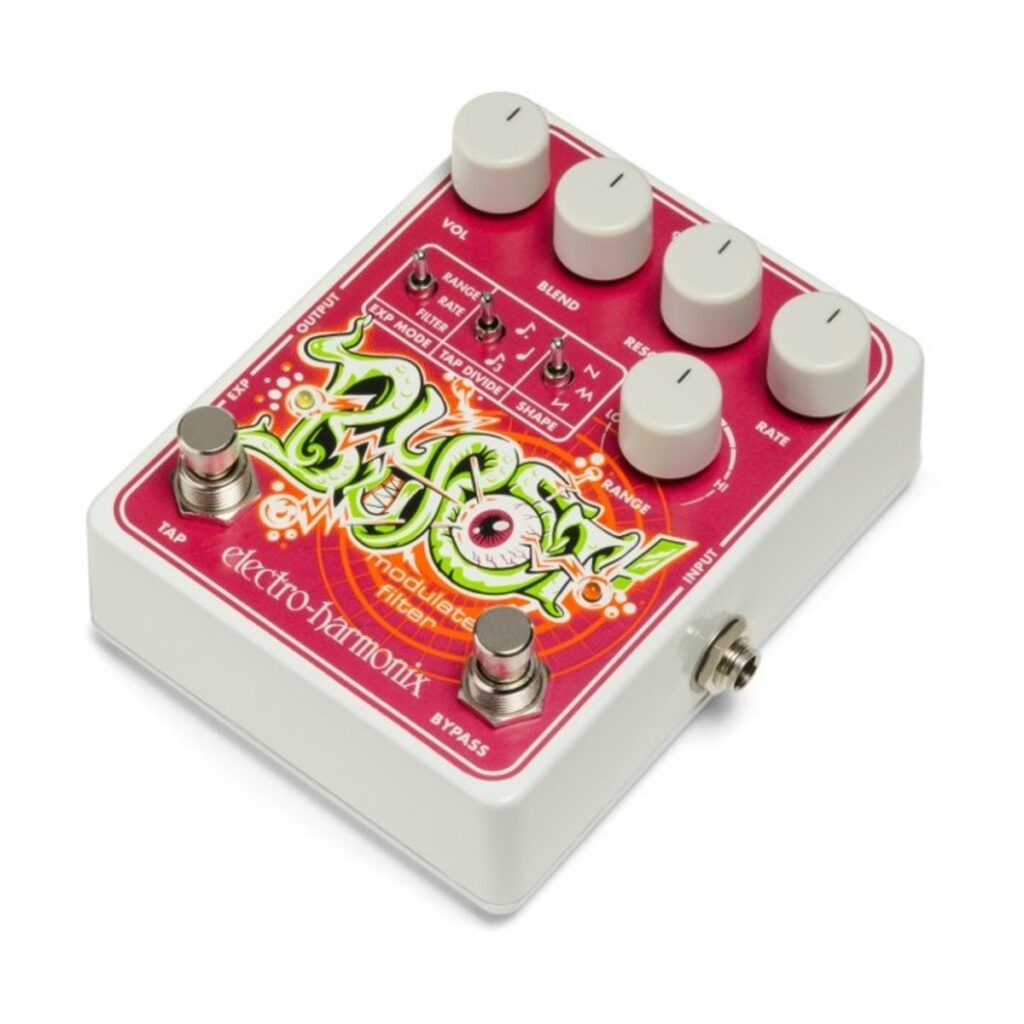
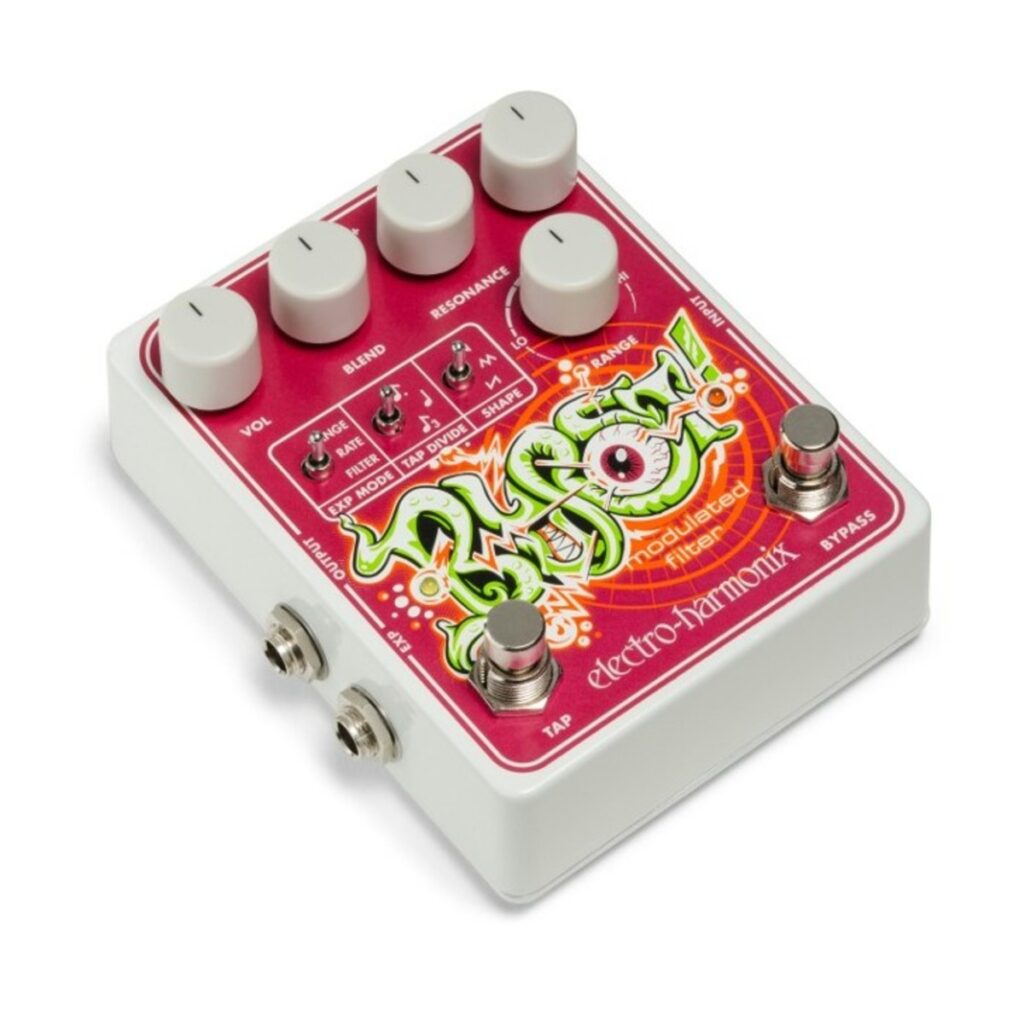
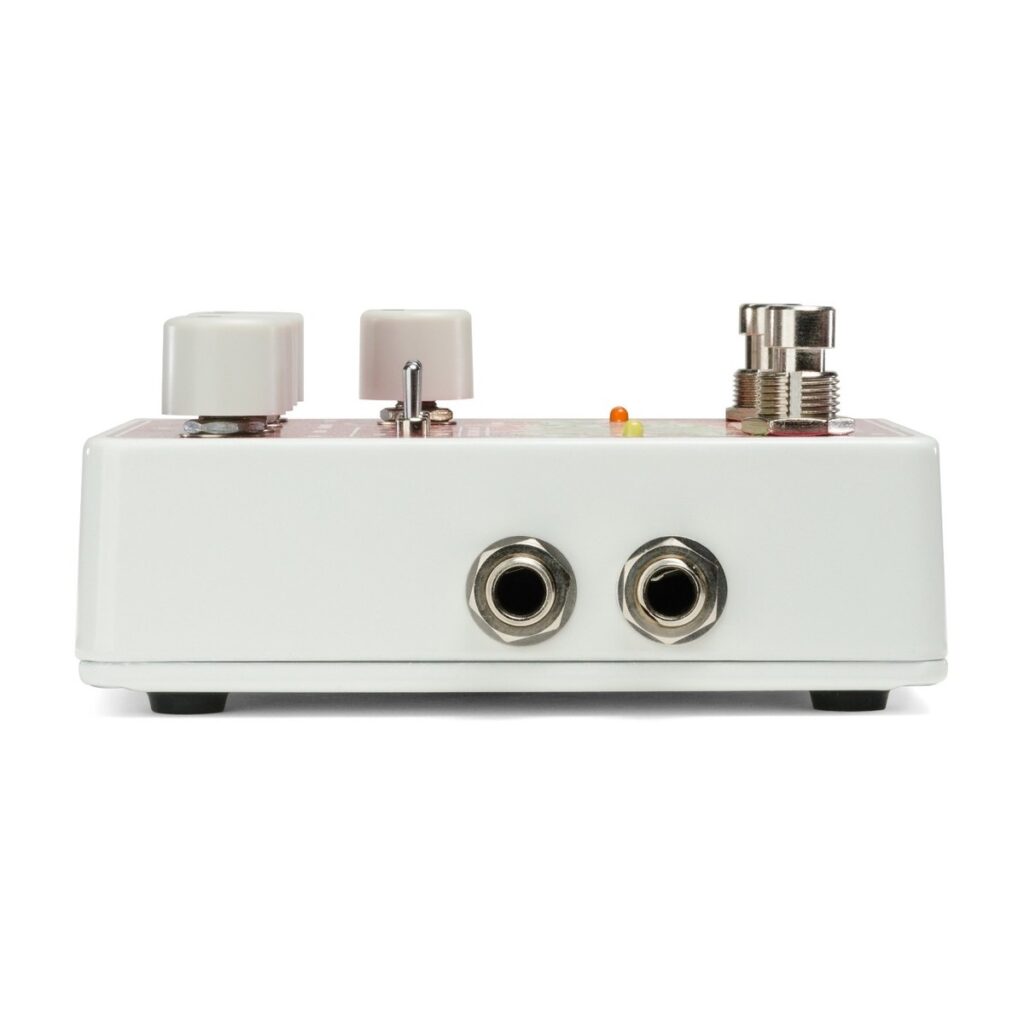
The Electro Harmonix Blurst Modulating Filter turns its inspiration from keyboard and modular synthesizers into a versatile modulating filter pedal. The Blurst delivers an envelope filter effect that is controlled by an internal oscillator for a variety of creative tones ideal for funk. Equipped with an analog low pass filter with adjustable resonance three modulation waveform shapes tap tempo with tap divide and EXP control over range rate or filter. With all these versatile control options the Blurst Modulating Filter is the perfect choice for creative guitarists who want access to unique filtered tones.
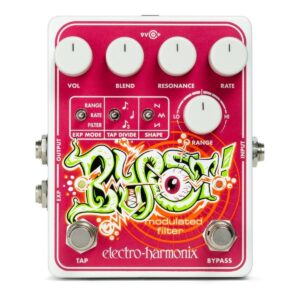
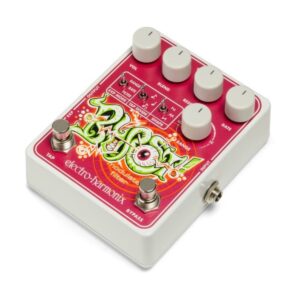
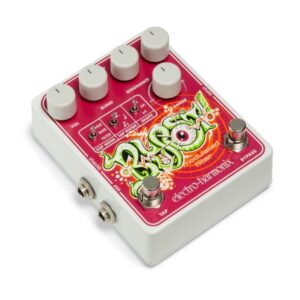
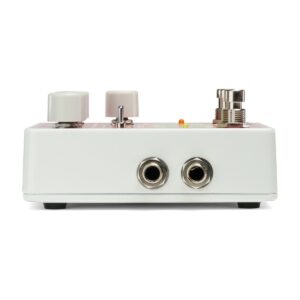
Electro Harmonix Blurst Modulating Filter
£121.00
This is a New Electro Harmonix Blurst Modulating Filter from Electro Harmonix, listed in Specialist Effects Pedals on Just Pedals. Read More below.
View Just Electro Harmonix
As an affiliate partner, we may earn a small commission when you buy through our links — at no extra cost to you.
Related videos

Brand
Electro Harmonix
Founded by Mike Matthews in New York City in 1968, Electro-Harmonix became known for inventive effects that brought new sounds within reach of guitarists. Its first product was the LPB-1 Linear Power Booster; the company’s long-running catalogue ranges from fuzz and overdrive to delay, modulation, octave and experimental processing. JustPedals listings include the Small Clone chorus, Small Stone phaser, Memory Boy delay, POG 2 octave generator and Micro Q-Tron envelope filter. Check the exact version and power requirements when comparing EHX models, since familiar names often span different generations and formats.
Category
Specialist Effects Pedals
Specialist effects alter the signal in ways that do not sit cleanly inside one established family. They may use granular processing, frequency shifting, resonators, freeze or sustain, bit reduction, ring modulation, feedback networks or combinations of several techniques. The relevant distinction is the underlying process, its tracking or latency, and how completely the dry signal can be blended or replaced.
Tags
Analogue
The signal is shaped by continuously varying electronic circuitry rather than being converted into a digital effect algorithm. Component choice, operating voltage and circuit tolerances influence headroom, noise, clipping texture and the small variations in response between designs.
Filter
Changes tone by allowing selected frequency regions to pass while attenuating others. Cutoff sets the transition point, resonance emphasises frequencies around it, and an envelope, treadle or modulation source can move that point to create vocal or sweeping motion.
Tap Tempo
Measures repeated foot taps and converts their interval into an effect rate or delay time. Subdivisions translate that pulse into dotted, triplet or other rhythmic values, while averaging and range limits influence how quickly and accurately the tempo settles.
Others Just Ordered :
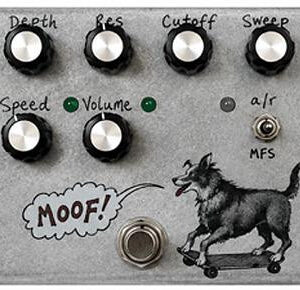
- Mooer Meta FX – Review
- MOOER META FX Review: 3 Effects in 1—but Here’s the Problem

- I Wasn’t Expecting To Be Impressed – But What Is The Mooer Meta FX?

- Mooer // META FX Stereo Multi-Effect Platform (Demo)

- A NEW GENERATION OF PEDALS IS HERE – Mooer Meta FX Reverb Review

- Mooer META FX | All the REVERBS from subtle to WILD!