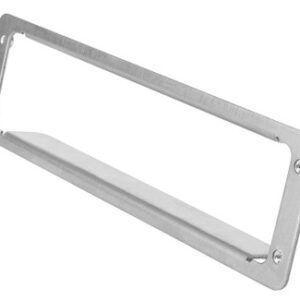
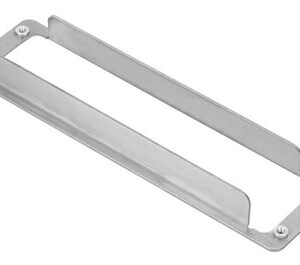
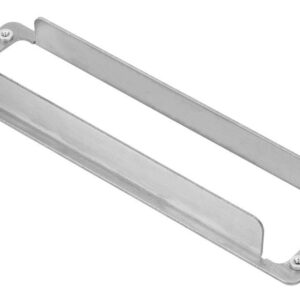
RockBoard MOD Brace for MOD Patchbays

£22.99

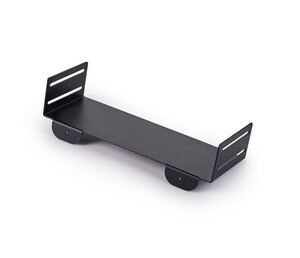
This is the RockBoard MOD Brace for MOD Patchbays from RockBoard, listed in Specialist Effects Pedals on Just Pedals. Read More below.

View Just
more

Here's what Rockboard say about the MOD Brace:

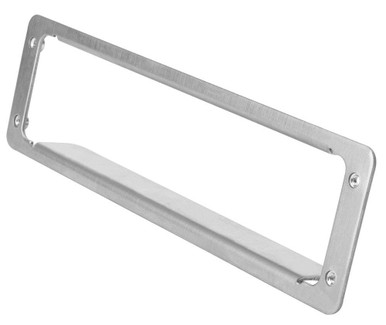
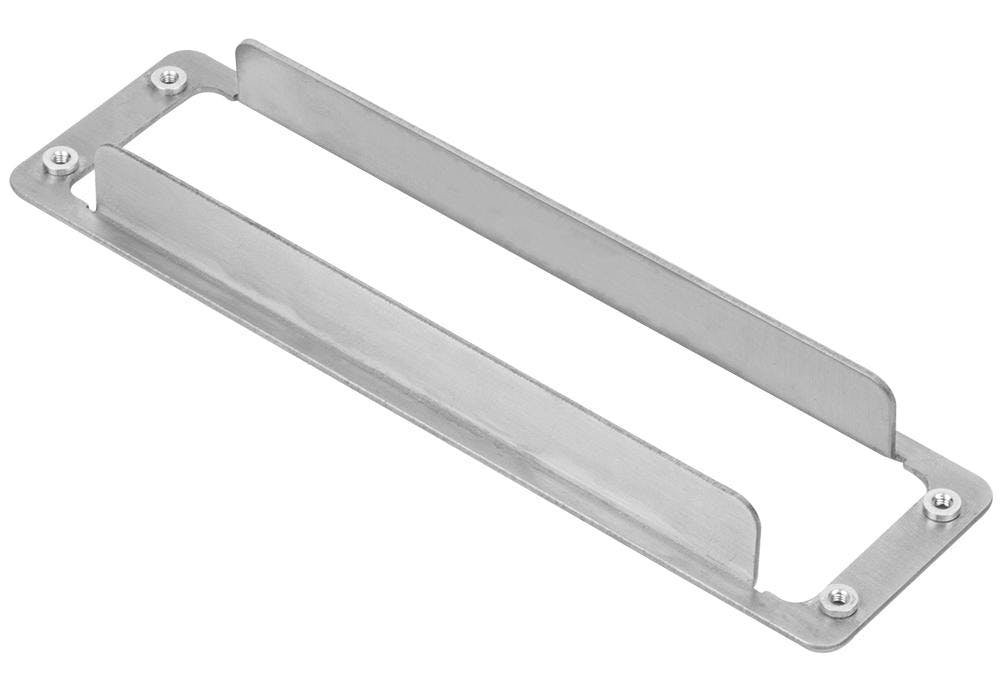
The RockBoard MOD Brace is a simple solution for mounting heavier MOD Patchbays to your RockBoard pedalboard in a safe and secure fashion. The RockBoard MOD Brace is designed to provide additional support for your MOD by reinforcing the connection to your RockBoard pedalboard.

Specifications

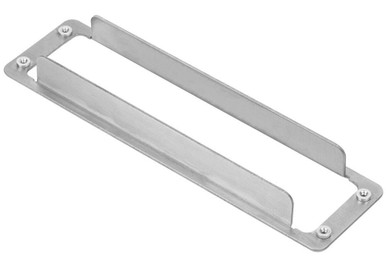
  • Metal brace for RockBoard MODs
  • Secures heavier RockBoard MODs on the RockBoard pedalboard
  • Made of stainless steel
  • Dimensions (W x D x H): 179 x 17 x 48 mm / 7 1/16" x 11/16" x 1 7/8"
  • Mounting hole distance: 168 x 28 mm / 6 5/8" x 1 7/8"
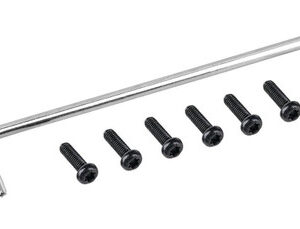
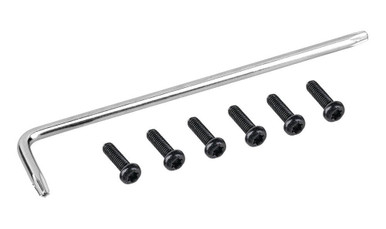
  • Including mounting screws and wrench
Related videos

Brand

Rockboard

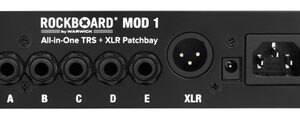
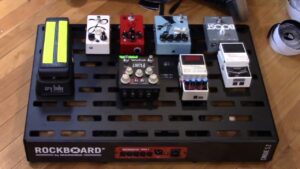
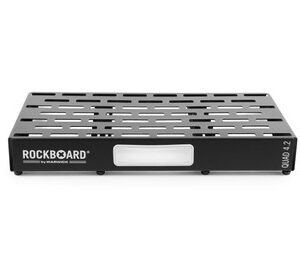
Rockboard is a brand known for its high-quality pedalboards, patch bays, and accessories for musicians. Their products are designed to be practical, offering easy setup, portability, and durability. Notably, their CINQUE 5.3 Pedalboard with a gig bag is a popular option for guitarists looking for a reliable and lightweight board to organize their pedals. Rockboard also offers the MOD 1, an all-in-one patchbay that supports TS/TRS and XLR connections, making it a versatile solution for complex pedal setups.

The brand is dedicated to helping musicians manage their gear effectively while ensuring robust construction. Their products are ideal for musicians who need both functionality and portability in their pedal setups. Whether it’s the pedalboards or the patchbays, Rockboard is trusted by performers who value convenience and durability in their gear.

Category

Specialist Effects Pedals

Specialist effects alter the signal in ways that do not sit cleanly inside one established family. They may use granular processing, frequency shifting, resonators, freeze or sustain, bit reduction, ring modulation, feedback networks or combinations of several techniques. The relevant distinction is the underlying process, its tracking or latency, and how completely the dry signal can be blended or replaced.