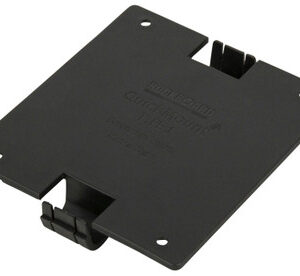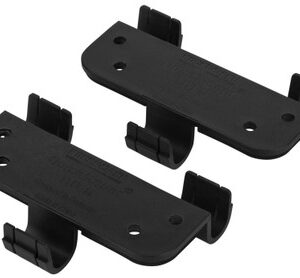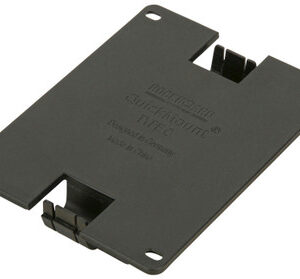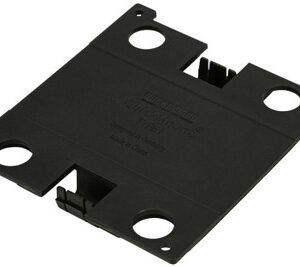
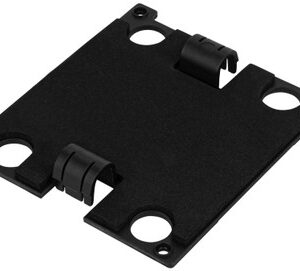
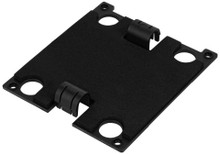
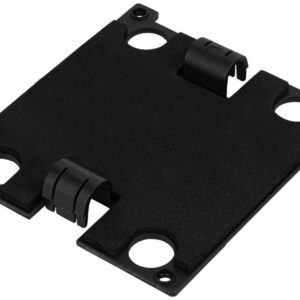
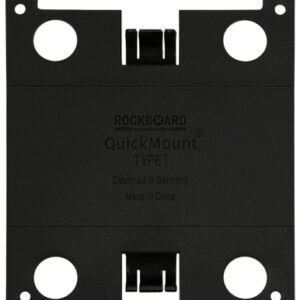
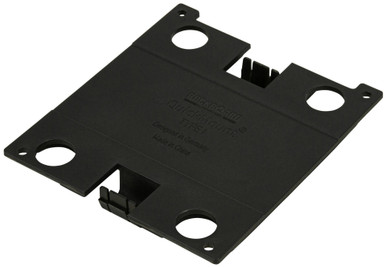
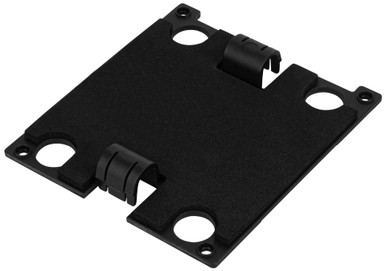
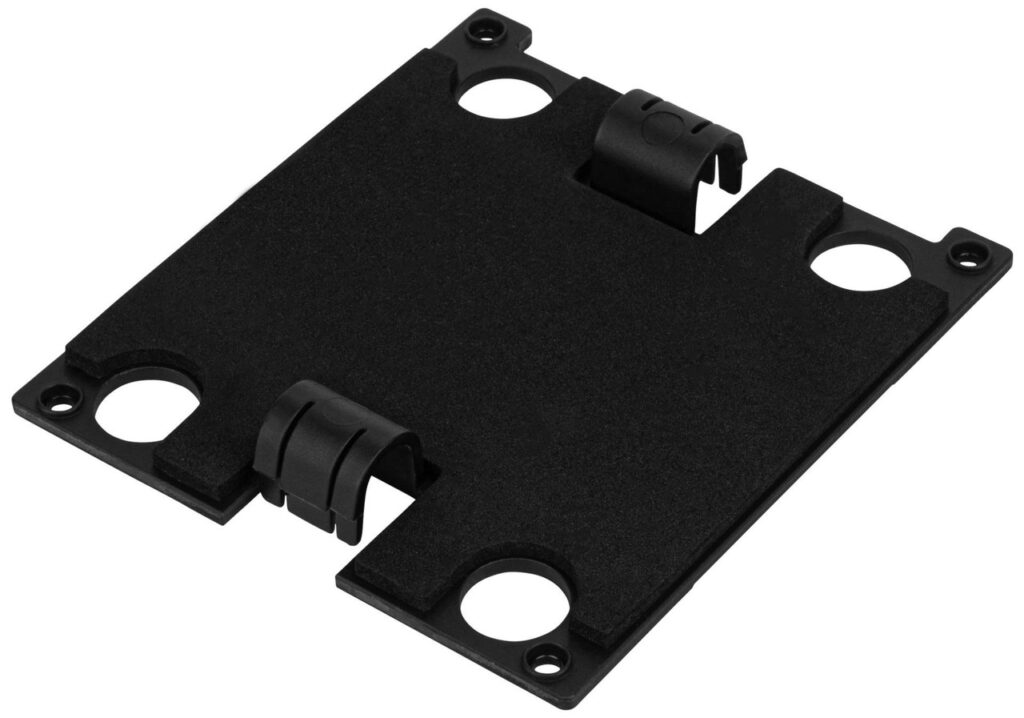
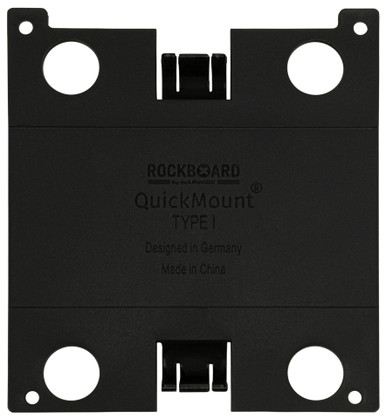
RockBoard QuickMount Type I for Eventide H9

£8.99

This is a New RockBoard QuickMount Type I for Eventide H9 from RockBoard is in our Specialist Effects Pedals category on Just Pedals. Read More below.

View Just
more

Here's What Rockboard Say About the QuickMount Type I Mounting Plate For Eventide H9

The RockBoard QuickMount System was designed to do away with sticky hook and loop tape that attracts dust and dirt and is a hassle to remove from your pedals. It fits perfectly in the RockBoard Slot Grid on our pedalboards and allows instant secure mounting of your pedals. The QuickMount plates are designed to screw onto the back of your pedals, using the original screws (or supplied replacement screws) and to be easily removable without any residue. The RockBoard QuickMount Type I was specially developed for the Eventide H9 effects pedal.

Features

  • QuickMount Pedal Mounting Plate for Eventide H9 effects pedal
  • Mounting hole distance (W x D): 104 mm (rear) / 108 mm (front) x 123 mm / 4 3/32" (rear) / 4 1/4" (front) x 4 27/32"
  • Safely mounts your effects pedals on RockBoard pedalboards
  • Replaces sticky hook and loop tape
  • Mounts on top of existing effects pedal back plates, removable without any residue
  • No permanent modifications necessary
  • Made of carbon-reinforced composite plastic
  • Includes replacement mounting screws
Related videos

Brand

Rockboard

RockBoard is Warwick’s pedalboard and rig-accessory system, not an effects-pedal maker. Its boards use a single sheet of cold-rolled aluminium with a slotted surface for mounting flexibility and cable routing beneath the board. The QuickMount system secures compatible pedals without hook-and-loop tape and can be removed without leaving residue. JustPedals carries QUAD and TRES boards with gig-bag or flight-case options, plus QuickMount plates and other accessories. Compare board dimensions and row capacity, then check QuickMount compatibility for each pedal enclosure before planning a layout.

Category

Specialist Effects Pedals

Specialist effects alter the signal in ways that do not sit cleanly inside one established family. They may use granular processing, frequency shifting, resonators, freeze or sustain, bit reduction, ring modulation, feedback networks or combinations of several techniques. The relevant distinction is the underlying process, its tracking or latency, and how completely the dry signal can be blended or replaced.